To keep your indoor jungle thriving, you should establish a consistent watering routine, checking soil moisture by feeling the top inch—water thoroughly when dry, but avoid overwatering to prevent root rot. Confirm your plants get the right lighting, adjusting color temperature if needed, and keep an eye out for pests with regular inspections. Maintain cleanliness and good air circulation for a healthy environment. Continue exploring these tips to build a lush, vibrant indoor oasis.
Key Takeaways
- Establish a consistent watering schedule by checking soil moisture and watering thoroughly when the top inch feels dry.
- Understand each plant’s specific lighting needs and adjust artificial or natural light to promote healthy growth.
- Regularly inspect for pests and maintain a clean environment to prevent infestations and promote plant health.
- Adjust watering frequency seasonally to prevent overwatering or underwatering, ensuring proper root development.
- Promote good air circulation and remove debris to create an optimal environment for your indoor jungle.
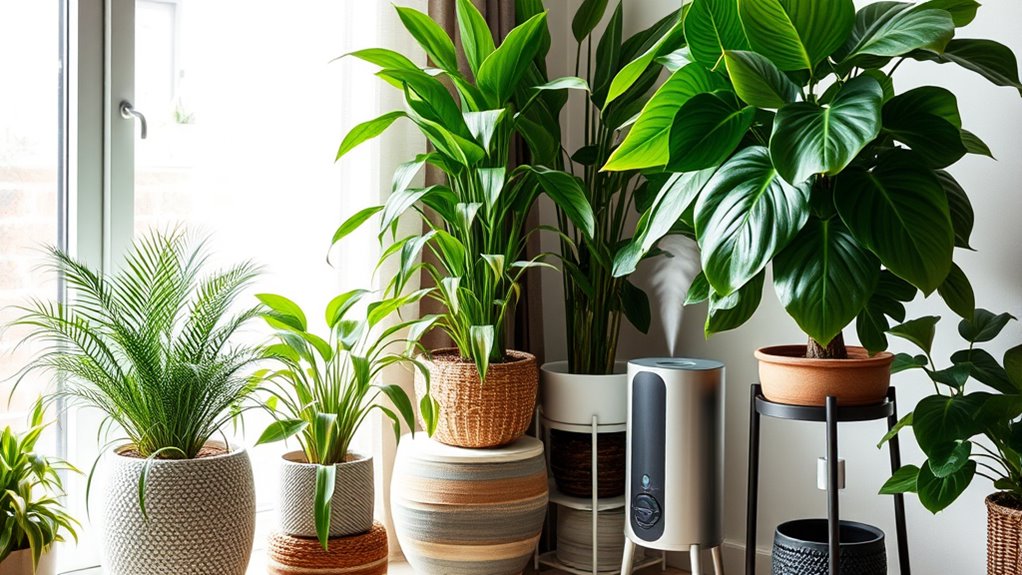
Taking care of houseplants can be both rewarding and straightforward if you understand their basic needs. One of the most vital aspects is establishing consistent watering schedules. Overwatering is a common mistake that can lead to root rot and other health issues, so you want to strike a balance. Check your plants regularly by feeling the top inch of soil; if it feels dry, it’s time to water. When you do water, do so thoroughly until excess drains from the bottom of the pot. This ensures that roots receive adequate moisture and helps prevent salt buildup. Remember, different plants have different watering needs, so familiarize yourself with each species to avoid common problems like overwatering or underwatering. Adjust your watering schedule accordingly, especially during seasonal changes when plants may require less frequent watering. Additionally, understanding the importance of color temperature adjustments can help optimize the visual health and vibrancy of your indoor plants’ foliage under artificial lighting.
Pest prevention is another essential element to keep your indoor jungle thriving. Regularly inspecting your plants helps catch infestations early before they become severe. Look for signs such as discolored or sticky leaves, webbing, or tiny insects like aphids or spider mites. To prevent pests, keep your plants healthy by providing proper light, air circulation, and avoiding overwatering, which can create a humid environment conducive to pests. Quarantining new plants before introducing them to your existing collection also reduces the risk of bringing in unwanted visitors. If you notice pests, treat affected plants promptly with natural options like neem oil or insecticidal soap, and wipe down leaves to remove pests and eggs. Maintaining a clean environment around your plants, including removing fallen leaves and debris, further discourages pest infestations.

1.8L Watering Can for Indoor Plants, Small Watering Can with Long Spout & Removable Nozzle, Plastic Indoor Water Can for House Plants, Garden Flowers(Approx. 0.5 Gallon)
Customizable Water Flow: Watering can with a detachable shower nozzle, easily switch between a steady stream or gentle…
As an affiliate, we earn on qualifying purchases.
As an affiliate, we earn on qualifying purchases.
Frequently Asked Questions
How Often Should I Rotate My Houseplants for Even Growth?
You should rotate your houseplants every couple of weeks to promote even growth. This allows you to make lighting adjustments and guarantee all sides receive adequate light. Use pruning techniques to shape your plants and remove any uneven growth. Regular rotation helps prevent your plant from leaning or stretching toward the light source, keeping it healthy and balanced. Keep an eye on its growth pattern and adjust your routine as needed.
What Are the Signs of Overwatering Versus Underwatering?
You’ll notice overwatering signs like yellowing leaves, soggy soil, and a foul smell, indicating excess soil moisture. Underwatering shows up as wilting, dry, brittle leaves, and soil pulling away from the pot edges. To tell the difference, check soil moisture—if it’s too wet and stays soggy, you’re overwatering. If it’s dry and crumbly, you’re underwatering. Adjust your watering schedule accordingly to keep your plants healthy.
Can Houseplants Improve Indoor Air Quality?
Yes, houseplants can improve indoor air quality. By choosing air purifier plants like snake plants or pothos, you help reduce VOCs and toxins in your home. These plants naturally filter the air, making it fresher and healthier. Regularly caring for them guarantees they thrive, maximizing their VOC reduction benefits. Incorporate these plants into your space to create a cleaner, more inviting environment effortlessly.
How Do I Prevent Pests From Infesting My Indoor Jungle?
An ounce of prevention is worth a pound of cure. To prevent pests from infesting your indoor jungle, follow pest prevention tips like inspecting new plants before bringing them inside and keeping leaves clean. Use natural pest repellents such as neem oil or insecticidal soap regularly. Quarantine new plants and maintain proper watering and humidity to discourage pests, ensuring your indoor jungle stays healthy and pest-free.
Are There Specific Plants That Thrive in Low-Light Conditions?
You should choose shade-loving plants that thrive in low-light conditions, making them perfect low light favorites for your indoor jungle. Plants like pothos, snake plants, and ZZ plants excel in dim corners and require minimal sunlight. These low-light favorites are easy to care for, helping you create a lush, thriving indoor space even without direct sunlight. Regular watering and occasional dusting keep them healthy and vibrant.
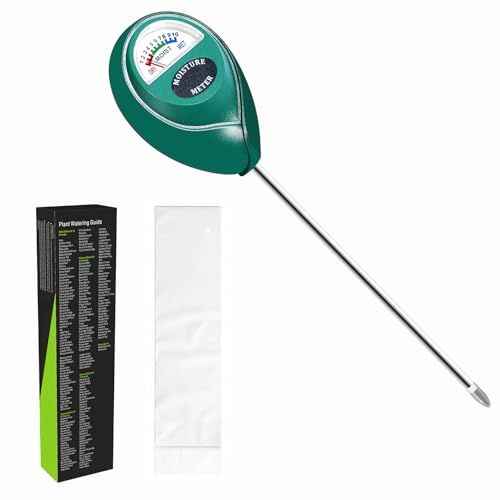
XLUX Soil Moisture Meter (Since 2015) – No Batteries Required, Durable 304 Stainless Steel Probe & Virgin ABS – Instant Read Hygrometer for Garden, Indoor & Outdoor Plants (Upgraded Design)
Trusted Since 2015: Become one of the many plant lovers who rely on the proven accuracy of XLUX….
As an affiliate, we earn on qualifying purchases.
As an affiliate, we earn on qualifying purchases.
Conclusion
Now that you’re armed with these houseplant care secrets, your indoor jungle will thrive like a rainforest on steroids! Your plants will flourish so wildly, they’ll practically throw a party every time you walk in. Keep watering, feeding, and loving them, and they’ll reward you with lush, vibrant foliage that could outshine any botanical wonderland. Get ready to become the plant whisperer of the century—your house will turn into a jungle so incredible, even Tarzan would be jealous!

Aokrean Plant Grow Light, 48 LEDs Full Spectrum Grow Lights for Indoor Plants, Height Adjustable Small Halo Grow Light with Base, 3 Optional Spectrums, Auto Timer 3/9/12Hrs, 10 Brightness, 3 Pack
NOTE: The product stand needs to be pressed down by the flower pot to be stable. Not wireless…
As an affiliate, we earn on qualifying purchases.
As an affiliate, we earn on qualifying purchases.

Bonide Systemic Houseplant Insect Control, 8 oz Ready-to-Use Granules for Indoors and Outdoors, Protects Plants from Insects
Protect plants from insect damage with Systemic Houseplant Insect Control Granules from Bonide; this product is a low…
As an affiliate, we earn on qualifying purchases.
As an affiliate, we earn on qualifying purchases.