
TL;DR
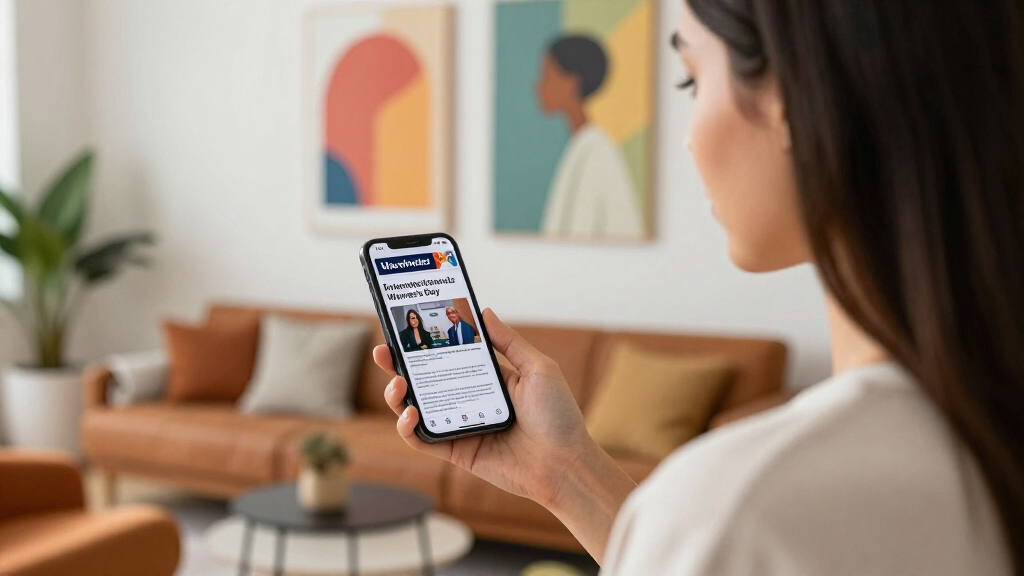
International Women’s Day is experiencing unprecedented media coverage globally, with 36 mentions in recent monitoring reports. This surge reflects growing public and media interest in gender equality and women’s rights.
Media monitoring data indicates that International Women’s Day has seen a surge in global coverage, with 36 mentions within a recent reporting window, significantly above typical levels. This increase underscores the event’s rising prominence in public discourse and media agendas worldwide.
According to the GDELT Project, a global media monitoring initiative, International Women’s Day was mentioned 36 times within a specific recent window, compared to a baseline of fewer mentions in previous years. This represents a notable rise in media attention, spanning news outlets, social media, and online platforms across multiple regions.
Experts suggest that this surge is driven by increased activism, policy discussions, and corporate campaigns related to gender equality. Several major media outlets and international organizations have highlighted the day’s significance, emphasizing issues such as women’s rights, workplace equality, and violence prevention.
While the exact reasons for the spike are still being analyzed, observers note that this heightened coverage coincides with broader social movements and recent political debates on gender issues globally. For more insights, see Howard Hanna Surges In Global Coverage.
Why the Increased Media Attention Matters for Gender Equality
The surge in media coverage of International Women’s Day signifies a growing global awareness and acknowledgment of gender issues, which can influence public opinion, policy-making, and corporate practices. Increased visibility may lead to more concrete actions toward gender equality, although the actual impact remains to be seen.
This heightened focus can also empower advocacy groups and marginalized communities by amplifying their voices and concerns on an international stage. However, experts caution that media attention alone does not guarantee meaningful change, emphasizing the need for sustained efforts beyond the coverage.

International Women's Day 2026 8 March T-Shirt
- Lightweight Fabric: Comfortable and breathable
- Classic Fit: Timeless and versatile style
- Durable Stitching: Double-needle sleeve and hem
As an affiliate, we earn on qualifying purchases.
As an affiliate, we earn on qualifying purchases.
Recent Trends in Media Coverage of International Women’s Day
Historically, International Women’s Day has received varying levels of media attention, often linked to specific campaigns or political moments. In recent years, especially since the COVID-19 pandemic, there has been a noticeable increase in public discourse around gender equality, with social movements like #MeToo and #TimesUp gaining momentum.
The current surge, with 36 mentions recorded by GDELT, marks one of the highest levels of media engagement in recent history. This trend reflects broader societal shifts, including increased activism and a focus on gender-related policy reforms in multiple countries.
Prior to this, media coverage was often sporadic or limited to certain regions; the recent spike suggests a more unified and globalized attention to International Women’s Day as a key date for advocacy and awareness.
“The recent surge in media coverage indicates a growing recognition of gender issues at the global level. It’s a sign that these topics are becoming central in public conversations.”
— Dr. Emily Carter, Gender Studies Expert
![EvolveFISH Equality Lapel Pin - [3/4" Diameter]](https://m.media-amazon.com/images/I/41k5D17e6TL._SL500_.jpg)
EvolveFISH Equality Lapel Pin – [3/4" Diameter]
- Size: Approximately 3/4 inch diameter
- Finish: Enamel with clear epoxy coating
- Back Closure: Butterfly clutch
As an affiliate, we earn on qualifying purchases.
As an affiliate, we earn on qualifying purchases.
Uncertainties About the Long-Term Impact of Coverage Surge
It remains unclear whether this spike in media mentions will lead to sustained attention or result in meaningful policy and societal changes. The actual influence of increased coverage on public behavior and government action is still being evaluated.
Experts caution that media buzz does not automatically translate into tangible progress, and further developments are needed to assess the real impact of this heightened focus.

Half the Sky: Turning Oppression into Opportunity for Women Worldwide
- Bestselling Book: National #1 bestseller
As an affiliate, we earn on qualifying purchases.
As an affiliate, we earn on qualifying purchases.
Next Steps for Monitoring Media and Policy Responses
Researchers and advocacy groups will continue to track media coverage and policy developments related to gender issues in the coming months. Key indicators will include legislative actions, corporate commitments, and shifts in public opinion.
Additionally, organizations may leverage this increased attention to push for more substantial reforms and sustained media engagement beyond the day itself.
empowerment motivational posters for women
As an affiliate, we earn on qualifying purchases.
As an affiliate, we earn on qualifying purchases.
Key Questions
Why has International Women’s Day seen increased media coverage this year?
Experts attribute the surge to heightened activism, recent social movements, and ongoing political debates on gender equality, which have brought more attention to the day’s significance.
Does increased media coverage guarantee progress on women’s rights?
Not necessarily. While greater visibility can raise awareness and influence public opinion, concrete policy changes and societal shifts require sustained effort and action beyond media attention.
Which regions are most prominently covering International Women’s Day?
Media monitoring indicates widespread coverage across North America, Europe, and parts of Asia, with some regions showing more active engagement than others, though specific regional data is still being analyzed.
What are the risks of symbolic coverage without real change?
Superficial coverage can lead to performative gestures that do not address underlying issues, potentially leading to public disillusionment if tangible reforms do not follow.
Source: gdelt