TL;DR

Get furniture and decor delivered free with Prime
- Fast, free delivery on millions of items
- Prime Video, Amazon Music and more included
- Member-only deals all year
A bathroom renovation designed to be renter-friendly is attracting attention, with features that allow easy updates without permanent modifications. The development reflects a growing trend in rental housing, though details are still emerging.
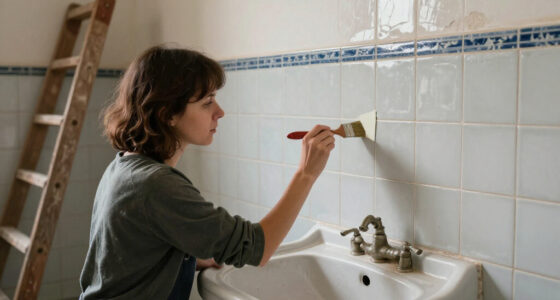
A new bathroom redesign concept focused on renter-friendly features is drawing increased attention among tenants, landlords, and home improvement observers. The design emphasizes easy-to-install, non-permanent updates that do not require major renovations or damage to existing structures. While this trend is still emerging, it signals a shift toward more flexible, reversible upgrades in rental housing, reflecting a broader desire for personalization without risking property damage. For inspiration, see how upcycling can transform spaces.
The trend centers on bathroom modifications that renters can implement without permanent alterations, such as upcycling projects. These include removable wallpaper, temporary fixtures, adhesive tiles, and non-invasive storage solutions. Industry sources note that search interest for ‘renter-friendly bathroom upgrades’ has spiked in recent weeks, although no official product launches or policy changes have been confirmed. Consider creative ideas like DIY upcycling for temporary improvements. Experts suggest that this interest is driven by tenants seeking to personalize spaces and landlords aiming to attract responsible renters who want upgrades without long-term commitments.
While specific products or designs are still under development, early reports indicate that companies are exploring adhesive-backed tiles, peel-and-stick fixtures, and reusable storage units that can be installed and removed easily. The approach aims to balance aesthetic appeal with ease of removal, minimizing the risk of damage and the need for professional installation. This trend aligns with broader shifts in the rental market, where flexibility and customization are increasingly valued.
Potential Impact on Rental Housing Customization
This trend could significantly influence how tenants personalize their rental spaces without risking their security deposits or violating lease agreements. For landlords, offering or permitting such upgrades may improve tenant satisfaction and reduce turnover. The development also reflects a broader shift toward flexible, non-permanent home improvements that cater to the evolving needs of renters, especially as remote work and home-based activities increase.
Products Worth Considering

Dyson V8 Cordless Vacuum

Shark AI Ultra Robot Vacuum with Self-Empty Base

Philips Hue Festavia Globe Outdoor String Lights, 32 Bulbs, 91 ft
As an affiliate, we earn on qualifying purchases.
Growing Interest in Non-Permanent Home Upgrades
Over recent years, there has been a marked increase in search interest and media coverage around renter-friendly home modifications, particularly in the bathroom and kitchen spaces. The trend appears to be driven by younger renters seeking personalization and flexibility, coupled with landlords interested in attracting responsible tenants. While no official industry standards or widespread product lines have been established, the interest signals a potential shift in rental property renovation practices.
Sources indicate that the current spike in coverage is based on trend signals rather than confirmed product launches or policy changes, and details remain unconfirmed. The trend may be part of a larger movement toward flexible, reversible home improvements that cater to the needs of modern renters.
Unconfirmed Status of Products and Industry Adoption
It is not yet clear whether dedicated products for renter-friendly bathroom upgrades are in development or available on the market. No official announcements or widespread industry adoption have been confirmed. The current interest appears to be based on trend signals and search data, rather than confirmed commercial offerings or policy changes.
Monitoring Industry Responses and Product Launches
Further developments are expected as companies explore and potentially introduce products designed for renter-friendly upgrades. Industry stakeholders will likely observe whether landlords adopt policies accommodating these modifications and whether new products gain widespread availability. Researchers and observers will continue monitoring search trends and media coverage for signs of formalization or commercialization of this approach.
Key Questions
Are there existing products for renter-friendly bathroom upgrades?
Currently, specific products are still under development or in early stages. The trend signal suggests growing interest, but no widespread commercial products have been officially announced or confirmed.
Can renters legally make these modifications?
Most modifications should be made in accordance with lease agreements and local laws. Non-invasive, removable upgrades are generally less risky, but renters should always seek landlord approval before installation.
Will landlords allow these renter-friendly upgrades?
Acceptance varies by landlord and property. Some may embrace flexible, reversible modifications to attract responsible tenants, while others may prefer to avoid any changes. Clear communication and written agreements are recommended.
How long might these upgrades last?
Designs aim for temporary use, typically lasting months to a few years, depending on the product and installation method. Removal should be straightforward without damage.
Is this trend limited to bathrooms or broader in scope?
While currently focused on bathrooms, the concept of renter-friendly, non-permanent upgrades could extend to kitchens, bedrooms, and other living spaces as interest grows.
Source: rss