
TL;DR

Get furniture and decor delivered free — and shop member deals
- Fast, free delivery on millions of items
- Access to Prime Big Deal Days deals on October 6–7
- Prime Video, Amazon Music and more included
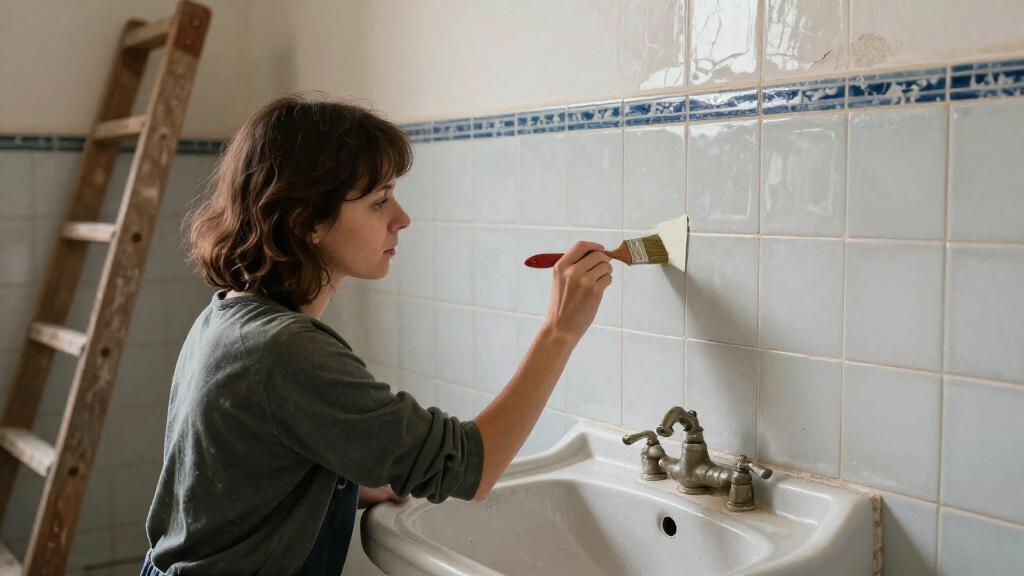
A homeowner declined to demolish her 120-year-old bathroom during renovation plans. Instead, she adopted alternative preservation methods, highlighting ongoing debates about historic preservation versus modernization.
A homeowner has refused to proceed with the planned demolition of her 120-year-old bathroom during a renovation project. Instead, she chose to implement preservation techniques, drawing attention to her stance on heritage conservation and sparking local debate.
The homeowner, whose identity has not been publicly disclosed, was initially scheduled to have her historic bathroom demolished as part of a broader renovation. However, she declined to go through with the demolition after discussions with heritage advocates and preservationists. Instead, she opted for alternative approaches, including structural reinforcement and restoration, to retain the bathroom’s original features.
Sources close to the project confirmed that the homeowner expressed concerns about losing a piece of local history and wanted to preserve the bathroom’s original architecture. Preservation experts who consulted on the project indicated that these methods could maintain the historic integrity while ensuring safety and functionality. The decision has garnered attention from both local residents and heritage organizations, who see it as a significant stand for historic preservation in the face of modern development pressures.
Impact on Heritage Preservation Practices
This decision highlights ongoing tensions between historic preservation and urban development. It underscores how homeowners can influence local policies and practices related to conserving architectural history. The case may inspire other property owners to explore preservation options rather than demolition, potentially affecting future renovation standards and regulations.
As an affiliate, we earn on qualifying purchases.
Background of the 120-Year-Old Bathroom and Local Preservation Efforts
The bathroom, built approximately in the early 1900s, is considered a valuable example of period architecture. Local heritage groups have long advocated for the preservation of such historic structures, citing their cultural and aesthetic significance. Previous efforts to preserve similar buildings have faced challenges from development interests seeking to modernize properties for economic or practical reasons. This case is notable because the homeowner’s refusal to demolish marks a shift in individual property rights and community values regarding historic conservation.
period architecture preservation tools
As an affiliate, we earn on qualifying purchases.
As an affiliate, we earn on qualifying purchases.
Unclear Whether Preservation Will Be Legally Supported
It is not yet clear whether local building codes or zoning laws will support the homeowner’s preservation approach or if she will face legal or regulatory challenges. The extent of her renovation options and potential future restrictions remain under discussion.
bathroom structural reinforcement supplies
As an affiliate, we earn on qualifying purchases.
As an affiliate, we earn on qualifying purchases.
Next Steps in the Preservation and Renovation Process
The homeowner plans to proceed with her renovation using preservation techniques, pending approval from local authorities. Discussions with heritage agencies and building inspectors are expected to clarify legal and safety considerations. The case may influence future policies on historic property modifications in the area.
heritage conservation renovation products
As an affiliate, we earn on qualifying purchases.
As an affiliate, we earn on qualifying purchases.
Key Questions
Why did the homeowner refuse to demolish her bathroom?
She declined to demolish her 120-year-old bathroom because she wanted to preserve its historic features and cultural significance, rather than replace it with modern construction.
What preservation methods is she considering?
The homeowner is exploring structural reinforcement, restoration of original fixtures, and other techniques that maintain the bathroom’s historic integrity while ensuring safety and usability.
Could her decision impact local preservation laws?
It is uncertain whether her approach will influence local regulations, as legal support for preservation versus demolition varies by jurisdiction and depends on specific zoning and building codes.
Are there risks associated with preserving an old bathroom?
Yes, potential risks include structural safety concerns, compliance with modern building standards, and higher renovation costs. These factors are being evaluated as part of her plan.
What are the broader implications of this case?
This case could set a precedent for homeowners advocating for historic preservation and may influence future policies balancing heritage conservation with urban development needs.
Source: rss
Fall Picks
fall essentials
As an affiliate, we earn on qualifying purchases.