Looking for gallery wall alternatives? You can showcase your art with digital displays that rotate images and easily change content, or try mounting art on wires, clipboards, or magnetic strips for a casual, flexible look. Incorporate artwork into functional objects like shelves and niches, or use textured backdrops like canvas or wood for added depth. Explore these creative options to transform your space—more ideas await as you continue exploring.

Get furniture and decor delivered free with Prime
- Fast, free delivery on millions of items
- Prime Video, Amazon Music and more included
- Member-only deals all year
Key Takeaways
- Use digital displays for dynamic, customizable art rotations without physical framing.
- Incorporate art into functional objects like shelves, niches, or wall decals for seamless integration.
- Opt for unconventional mounting methods such as clipboards, wires, or magnetic strips for an eclectic look.
- Create textured displays with canvas or wood backdrops to add depth and tactile interest.
- Combine various display techniques to craft personalized, space-saving, and visually engaging art arrangements.

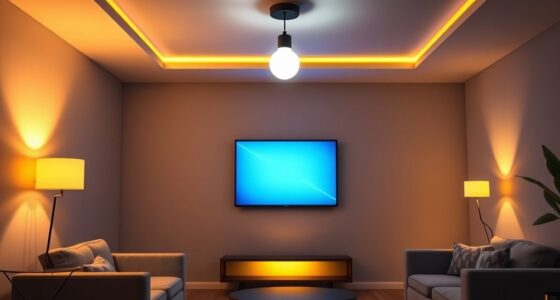
If a traditional gallery wall feels too busy or overwhelming for your space, there are plenty of stylish alternatives to contemplate. One of the most modern options is using digital displays. These screens allow you to showcase a rotating selection of artwork, photos, or even digital art pieces, giving your space a dynamic and ever-changing focal point. Digital displays are sleek and unobtrusive, fitting seamlessly into contemporary interiors. They eliminate the need for frequent framing or re-hanging, making it easy to update your decor with new images whenever you like. Plus, many models come with customizable settings, so you can adjust brightness, contrast, or even add slideshows for a more personalized touch. This approach not only saves space but also keeps your display fresh and engaging without cluttering your wall. Incorporating digital technology into art displays highlights the increasing reliance on cloud-based systems for managing and updating digital content easily.
Another compelling alternative involves unconventional mounting methods. Instead of traditional frames, you might consider hanging artwork with clipboards, wires, or even magnetic strips. These methods create a casual, eclectic vibe that feels effortless and inviting. For example, hanging prints or photos on a wire with clothespins allows you to change out pieces easily, giving your display a relaxed, playful look. Magnetic strips or boards enable you to attach artwork without damaging walls or needing extra hardware; it’s a flexible way to curate your collection. You could also experiment with mounting art directly onto surfaces like canvas or wood panels, which provide a textured backdrop that adds depth and interest. This unconventional mounting technique turns your display into a tactile, three-dimensional art installation rather than a flat, framed piece.
If you’re looking for a more integrated approach, consider incorporating art into functional objects. Think of decorative shelves that hold sculptures, vases, or small framed pieces, or even installing built-in niches that serve as display alcoves. These options blend art and architecture, allowing your displays to become part of your room’s structure. You might also explore using wall decals or adhesive art stickers, which are easy to apply and remove, making them perfect for renters or those wanting a temporary change. They provide vibrant visual interest without the need for nails or hooks, keeping your space clean and flexible.
Ultimately, these alternatives give you the freedom to personalize your space in creative, innovative ways. Whether you opt for digital displays, unconventional mounting, or integrated display solutions, you can craft a mesmerizing visual story that reflects your style without the clutter of a traditional gallery wall.
Products Worth Considering

Roborock RockNeo Q110H Wire-Free Robot Lawn Mower

Dyson Ball Animal 3 Extra Upright Vacuum

Bose SoundLink Flex Bluetooth Speaker (2nd Gen), Portable Waterproof Speaker, Black
As an affiliate, we earn on qualifying purchases.
Frequently Asked Questions
How Can I Securely Hang Heavy or Fragile Artwork?
To securely hang heavy or fragile artwork, start with the right hanging hardware like D-rings, cleats, or wall anchors designed for weight. Always follow safety precautions by checking wall material and choosing appropriate anchors. Distribute the weight evenly, and use a level to ensure straight placement. Double-check that hooks and hardware are firmly secured to prevent accidents, guaranteeing your artwork stays safe and your space remains secure.
What Are Budget-Friendly Alternatives to Traditional Framing?
You can explore budget-friendly alternatives like recycling ideas and natural materials to display your art. Use reclaimed wood or bamboo for a rustic, eco-friendly look, or repurpose clipboards, clothespins, and string to create a flexible, cost-effective display. These options not only save money but also add a unique, personal touch to your space, making your artwork stand out without the need for traditional framing.
How Do I Choose the Best Display Method for Small Spaces?
Think of your small space as a canvas waiting to be filled. To choose the best display method, consider lighting options that highlight your art without overwhelming the room. Opt for wall color choices that complement your artwork and make it pop. Use vertical arrangements or floating shelves to maximize space, and keep clutter minimal. These strategies help your art shine without crowding, making your small space feel cozy yet vibrant.
Can These Display Ideas Be Easily Updated or Changed?
Yes, these display ideas can be easily updated or changed. You can use interchangeable displays, like clipboards, wire grids, or magnetic boards, to swap out artwork effortlessly. Many DIY update options, such as repainting, rearranging, or adding decorative elements, let you refresh your display without much effort. This flexibility makes it simple to keep your space lively and personalized, reflecting your evolving style and collection.
What Materials Are Best for DIY Art Display Projects?
Did you know that 70% of people prefer using creative materials for DIY art displays? For your projects, canvas prints and wire displays are excellent choices. Use sturdy materials like wood or metal for frames and hangers, and opt for durable cords or wire for flexible displays. These materials are easy to work with, customizable, and can be updated or changed with simple adjustments, making your art display both stylish and versatile.
Conclusion
So, why stick to traditional frames when you can turn your walls into a vibrant dance of creativity? Let your art breathe freely, swirling in a symphony of textures and shapes that tell your story. Think of your space as a blank canvas waiting for your personal masterpiece—bold, unexpected, and uniquely yours. Embrace these alternatives and watch your walls transform into a lively gallery that pulses with your personality, inviting everyone to stop, stare, and be inspired.