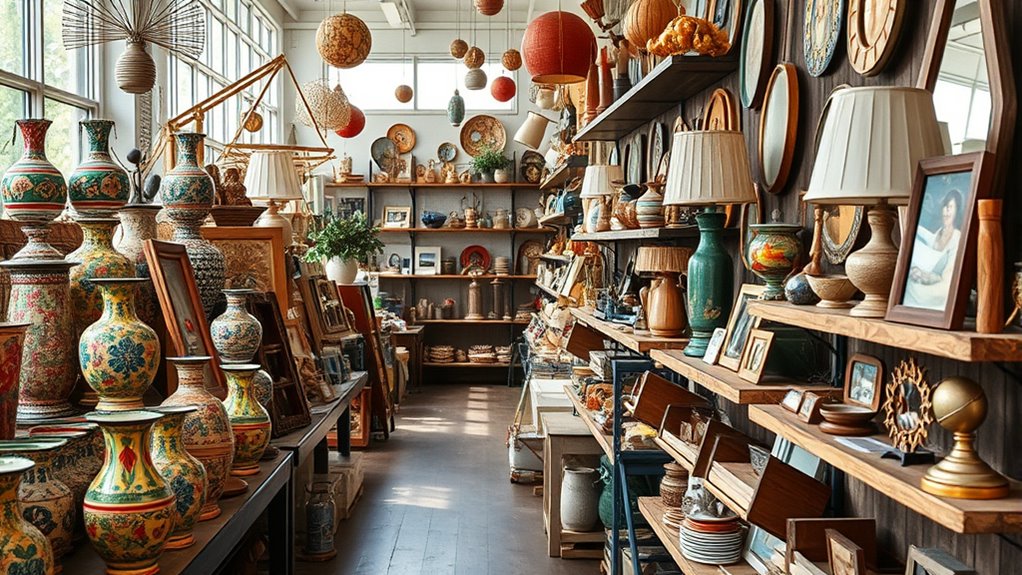

To find stylish second-hand home decor, visit vintage markets, flea markets, and thrift stores during peak times like mid-week or early mornings for the best selection and deals. Inspect pieces carefully for quality and authenticity, looking for durable materials and craftsmanship. Refresh and personalize your finds with DIY updates, and stay within a set budget by focusing on items that match your style. For more tips on creating a cohesive and lasting look, keep exploring these strategies.
Key Takeaways
- Visit vintage markets and flea markets during optimal times, like mid-week or early mornings, for the best selection and deals.
- Learn to recognize quality materials, craftsmanship, and authentic vintage cues to select stylish, durable decor pieces.
- Inspect items thoroughly for damage, then personalize with DIY updates to fit your home’s aesthetic.
- Set a clear budget and prioritize needed items to stay focused and avoid overspending.
- Shop during seasonal sales or off-peak hours to access unique items and build a cohesive, eclectic decor style.

Scotch Felt Pads 162 PCS Beige, Felt Furniture Pads for Protecting Hardwood Floors, Round, Assorted Sizes Value Pack, Self-Stick design, Protecting from nicks, dents and scratches (SP845-NA)
- Versatile Furniture Protection: Suitable for chairs, tables, lamps, and more
- Easy Self-Stick Installation: Peel and stick design for quick setup
- Protects Various Hard Surfaces: Safeguards hardwood, tile, laminate, vinyl
As an affiliate, we earn on qualifying purchases.
Knowing Where to Look: Best Places for Home Decor Thrifting

If you want to find great home decor bargains, knowing where to look is essential. Vintage markets and flea markets are some of your best options. These places often feature unique, second-hand items at a fraction of retail prices, giving you access to one-of-a-kind pieces that can elevate your home’s style. At vintage markets, you’ll discover carefully curated collections of retro and antique decor, perfect for adding character. Flea markets, on the other hand, offer a broader range of items, including furniture, accessories, and decorative accents, often at negotiable prices. By regularly exploring these markets, you increase your chances of uncovering hidden gems that suit your taste and budget. Keep an eye on local market schedules and arrive early for the best finds. Exploring originality and personal touches can help you create a truly unique home environment.

Scotch Felt Pads 32 PCS Beige, Felt Furniture Pads for Protecting Hardwood Floors, 1" Round, Easy-to-apply, Self-Stick design, Reliable protection from nicks, dents and scratches (SP802-NA)
- Suitable for various furniture: Protects furniture and décor
- Simple to install: Self-stick design for easy application
- Facilitates furniture movement: Felt material allows easy sliding
As an affiliate, we earn on qualifying purchases.
Recognizing Quality and Style in Second-Hand Pieces
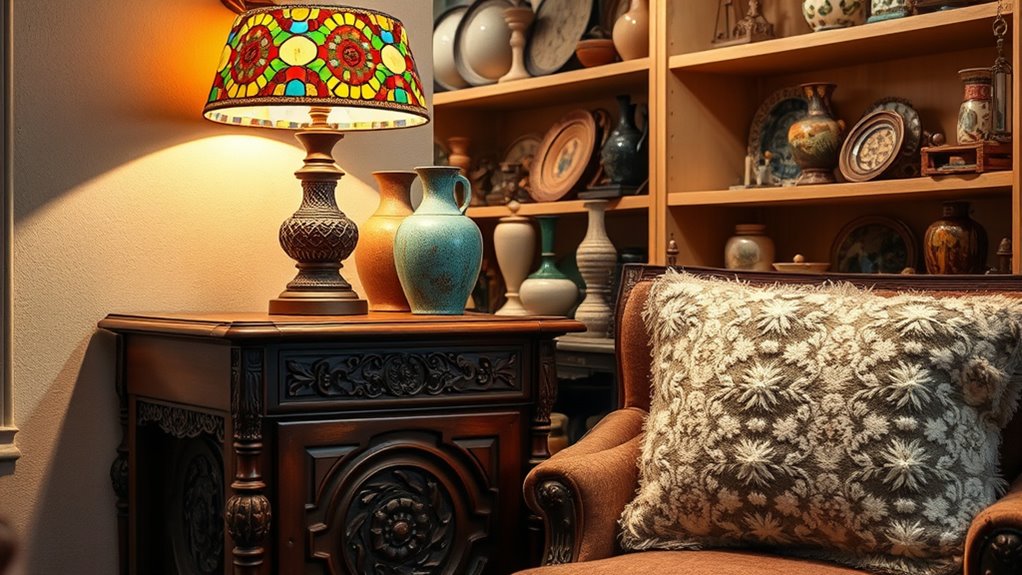
When evaluating second-hand pieces, look for signs of durable materials like solid wood or thick fabrics. Pay attention to authentic style cues that match the era or designer, ensuring you’re getting a genuine piece. Also, examine the craftsmanship and finish, as well-made items will have smooth seams and sturdy hardware that last. Incorporating skincare technology insights can also help identify well-crafted items with quality finishes.
Material Durability Indicators
Material durability is a key factor in identifying high-quality second-hand pieces, as it directly influences how well an item will hold up over time. To assess this, examine the material composition—solid wood, metal, or sturdy fabric often indicates longevity, while particleboard or flimsy plastics may not. Check for surface wear, such as scratches, chips, or fading, which can reveal how well the piece has aged and whether it’s worth refurbishing. A well-maintained surface suggests the item was built to last. Additionally, feel the weight; heavier items tend to be more durable, especially with furniture. Recognizing these indicators helps you pick pieces that combine style with lasting quality, ensuring your thrifted finds remain beautiful and functional for years. Incorporating connected technology and considering material quality can further enhance your ability to select durable and stylish home decor.
Authentic Style Cues
Spotting authentic style cues helps you distinguish well-crafted second-hand pieces from mass-produced imitations. Look for vintage authenticity in details like unique hardware, aged patinas, and original finishes that reflect the piece’s history. Genuine vintage items often have subtle imperfections or signs of age that add character, indicating they weren’t mass-produced. Pay attention to style cues such as distinctive design elements, era-specific motifs, and craftsmanship details that align with a particular period. These cues reveal the piece’s provenance and authenticity, helping you avoid reproductions or low-quality imitations. Recognizing piercing care and hygiene and the importance of proper maintenance can also help verify the authenticity of certain vintage jewelry pieces. When you recognize genuine vintage authenticity and subtle style cues, you’re more likely to select pieces that truly add character and timeless appeal to your home décor.
Craftsmanship and Finish
Careful attention to craftsmanship and finish reveals the true quality and style of second-hand pieces. Look closely at how the item is made—artisan craftsmanship often shows in fine details, seamless joints, and sturdy construction. Check for smooth, even finish quality; uneven paint, rough edges, or chipped surfaces signal lower durability. Well-crafted furniture or decor items often feature hand-carved details or intentional imperfections that highlight their artisan origins. Pay attention to the materials used—solid wood, quality metals, and durable textiles indicate longevity. A high-quality finish will feel smooth and consistent, not sticky or flaky. Recognizing these subtle cues helps you select pieces that not only look great but also promise lasting style and function. Material quality is also a key indicator of a piece’s durability and overall value.
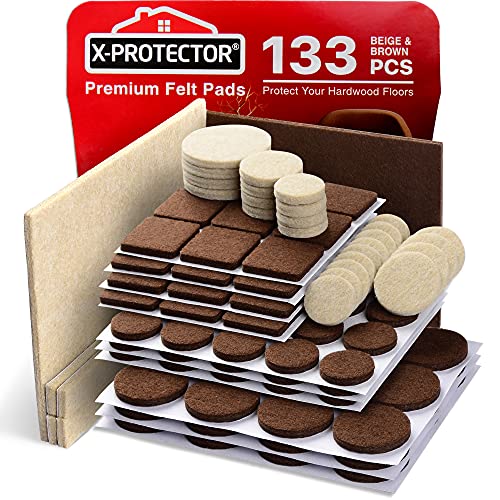
Felt Furniture Pads X-PROTECTOR 133 PCS Premium Furniture Pads - Felt Pads
- Floor protection for various surfaces: Protects wood, laminate, and tile floors
- Includes two-pack for complete coverage: One brown and one beige pack
- Total 133 pieces for comprehensive protection: Includes different sizes for all furniture
As an affiliate, we earn on qualifying purchases.
Setting a Budget and Staying Focused During Your Hunt
Setting a budget before you start thrifting helps you avoid overspending and keeps your shopping focused. Decide on a maximum amount you’re willing to spend and stick to it, which makes price comparison easier and prevents impulse buys. Keep a list of items you need and prioritize those to stay on track. As you browse, consider how each piece will fit into your space through color coordination; this helps prevent buying items that clash or don’t match your decor. Staying focused also means resisting distractions from trendy or unnecessary finds. Regularly check your spending against your budget, and be patient—good finds often come at the right price when you’re disciplined. Remember, understanding unique high-quality products can help you identify truly valuable pieces amid the thrifting process. With a clear budget, you’ll make smarter choices and create a stylish, cohesive home.

WALI Desk File Organizer, 4 Tier Desktop Paper Letter Tray Organizer with Drawer and 2 Pen Holders, Office Desk Accessories & Workspace Organizers for Office, Home Supplies(DO005DH-B), 1 Pack, Black
- All-in-One Desk Organizer: Includes 4 letter trays, drawer, and pen holders
- Premium Metal Construction: Made from thickened steel wire mesh for durability
- Space-Saving Design: Vertical file organizer and tiered trays maximize space
As an affiliate, we earn on qualifying purchases.
Tips for Inspecting and Assessing Potential Finds
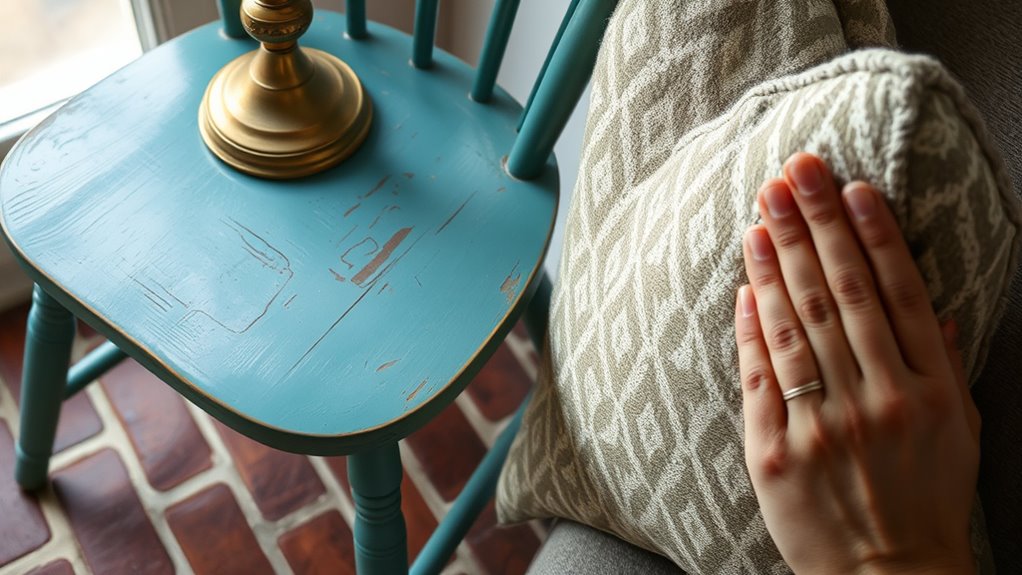
How can you tell if a thrifted item is worth taking home? Look for pieces with vintage charm that can be enhanced with modern updates. To assess potential finds, consider these tips:
Identify vintage pieces with potential, then add your modern touch for a unique home upgrade.
- Check for structural integrity—avoid cracks, warping, or loose joints.
- Inspect surfaces for scratches, stains, or signs of damage that might be costly to fix.
- Evaluate the overall style—does it fit your space or need minimal updates?
- Consider the material quality—solid wood or sturdy fabric often indicates longevity.
- Remember to assess the material quality, as durable materials can ensure the piece remains a valuable addition for years to come.
Creative Ways to Refresh and Personalize Thrifted Items
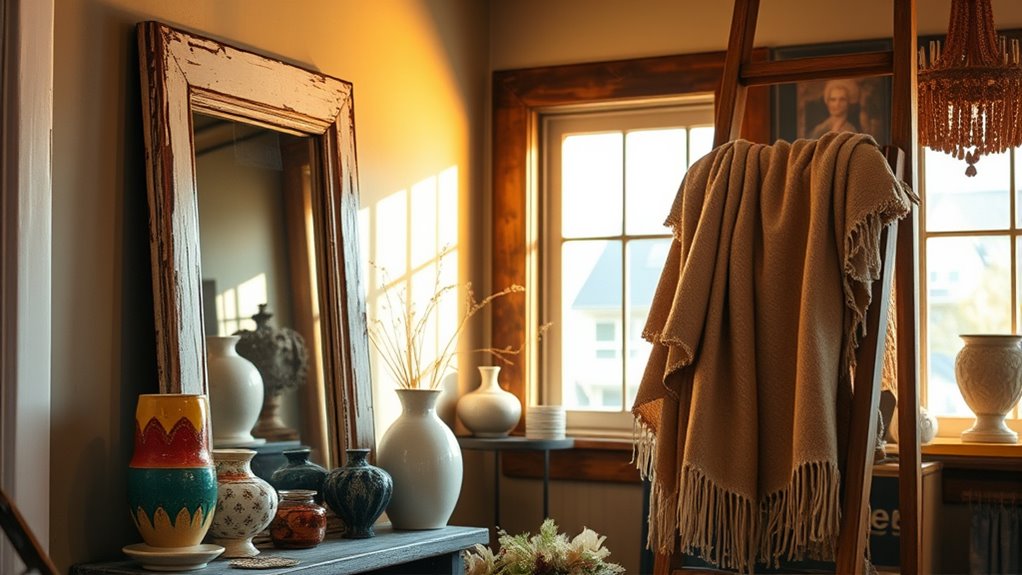
Once you’ve scored a unique thrifted find, the fun truly begins—transforming it into a one-of-a-kind piece that reflects your style. DIY transformations are perfect for revitalizing worn or outdated items; a fresh coat of paint, new hardware, or stenciled designs can work wonders. Personalize pieces by adding your favorite touches, like decoupage or custom upholstery. Think about creative display arrangements to showcase your thrifted treasures—group similar items, mix textures, or vary heights for visual interest. Small tweaks can turn a simple find into a statement piece, making your home truly yours. Remember, the key is to experiment and have fun. With a little effort, your thrifted decor will stand out and tell your unique story. Incorporating smart design principles can further enhance the comfort and functionality of your personalized space.
Timing Your Visits for the Best Selection and Deals
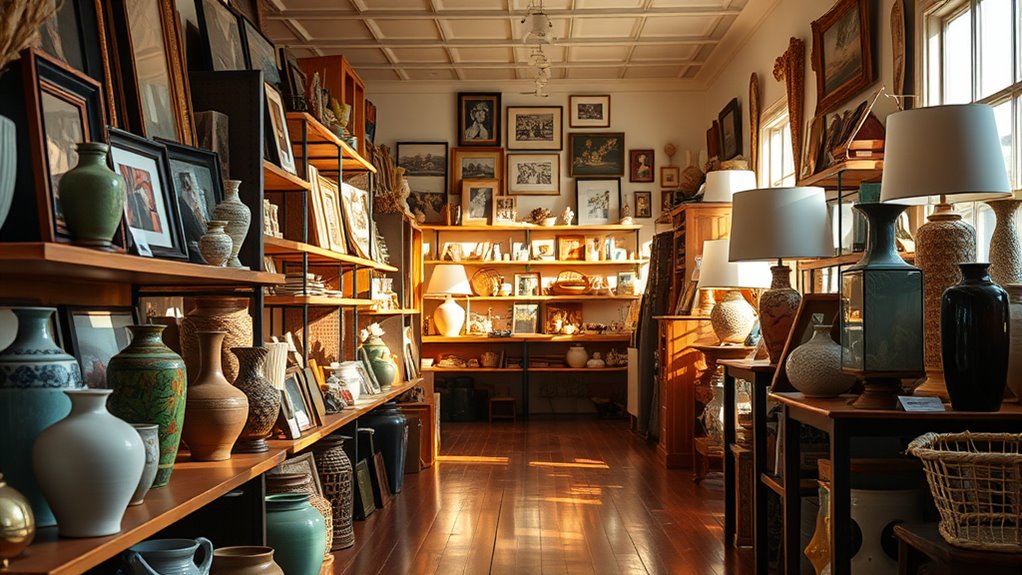
To get the best selection and deals, plan your visits on the right days. Many thrift stores restock and refresh their inventory mid-week or during special sales. Keep an eye out for seasonal clearances to score great deals on items you want. Additionally, shopping during off-peak hours can help you find more unique items with less competition.
Best Days to Visit
Have you ever wondered when the best days to visit thrift stores are to score the freshest finds and greatest deals? Timing matters, especially with seasonal shopping and choosing between weekday vs weekend visits. Here are some tips:
- Visit mid-week to avoid crowds and find a more curated selection.
- Shop early mornings for first pick of new arrivals.
- Target weekends if you’re after special sales or themed merchandise.
- Check store hours—some places restock or reduce prices on specific days.
- Keep in mind that Free Floating strategies can help you identify the best times to shop when stores are more likely to have new and desirable items.
Weekdays often offer a calmer browsing experience, making it easier to spot hidden gems, while weekends can bring special deals. Planning your visits around these days maximizes your chances of snagging unique pieces at great prices.
Seasonal Sale Timing
Timing your thrift store visits around seasonal sales can certainly boost your chances of finding great deals and fresh inventory. Many stores offer seasonal discounts during specific times of the year, making it ideal to shop during these periods. Keep an eye out for holiday clearance events after major holidays like Christmas, Easter, or Memorial Day, when stores clear out seasonal items at reduced prices. These sales often feature unique decor pieces and furniture perfect for your home. By planning your visits around these sales, you not only save money but also increase your chances of discovering stylish, high-quality items before they’re snatched up. Staying informed about upcoming clearance events ensures you don’t miss out on the best deals and seasonal finds.
Navigating Online Marketplaces and Apps Safely
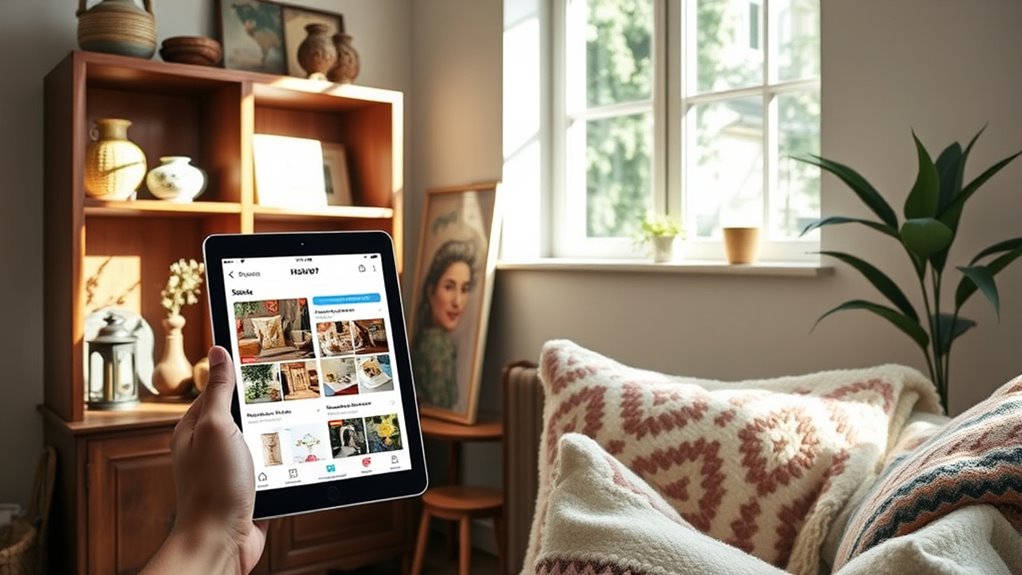
Steering through online marketplaces and apps requires vigilance to protect yourself from scams and fraud. To stay safe, always prioritize secure online payments and avoid scams that can drain your wallet or compromise your info. Here are four crucial tips:
Navigate online marketplaces safely by verifying sellers, using trusted platforms, avoiding too-good-to-be-true deals, and communicating within the platform.
- Verify seller profiles and reviews before making any purchase.
- Use trusted platforms that offer buyer protection and secure payment options.
- Avoid deals that seem too good to be true—they often are.
- Communicate through platform messaging rather than personal emails to keep a record.
Building a Cohesive Look With Eclectic Finds
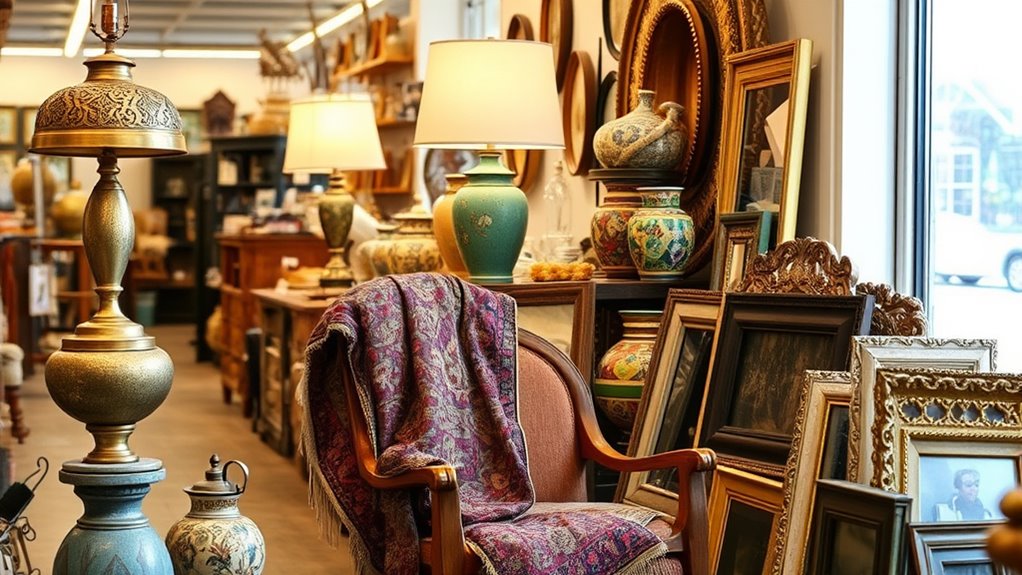
Creating a cohesive look with eclectic finds might seem challenging, but it’s all about balancing individuality with harmony. Focus on color coordination to unify diverse pieces and highlight vintage charm. Mix textures, patterns, and eras intentionally, ensuring they complement rather than clash. Use the table below to guide your choices:
| Item Type | Key Tip | Example |
|---|---|---|
| Vintage Furniture | Match colors for consistency | Pair a teal armchair with a navy sofa |
| Decorative Accents | Balance bold and subtle | Combine a colorful vase with neutral pillows |
| Textiles | Layer similar shades | Use throws and rugs in harmonizing hues |
| Art & Wall Decor | Create a visual flow | Hang varied frames in a similar color palette |
This approach helps your eclectic decor feel intentional and stylish.
Maintaining and Caring for Your Thrifted Decor
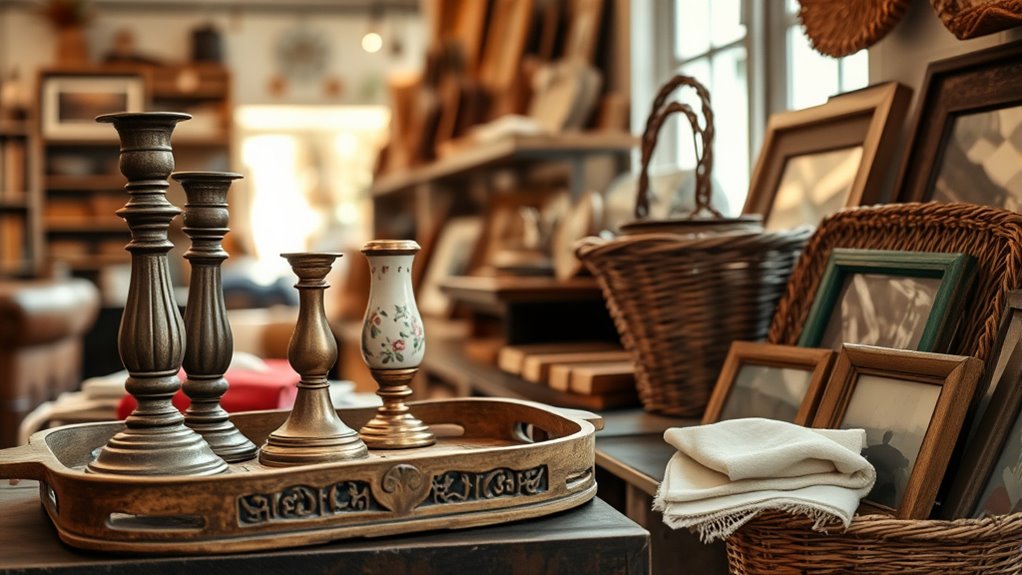
Once you’ve assembled a stylish, cohesive look with your eclectic thrifted finds, it’s important to keep them looking their best over time. Proper maintenance guarantees your decor stays vibrant and functional.
- Regularly dust and clean with eco-friendly materials to protect delicate surfaces and preserve the charm of antique restoration pieces.
- For wood furniture, use gentle polish to prevent cracking and maintain its luster.
- Address any damage immediately to avoid further deterioration, especially if you’re restoring antiques yourself.
- Store or display items carefully to avoid scratches or breakage, and consider eco-conscious storage solutions to extend their life.
Frequently Asked Questions
How Can I Tell if a Thrifted Item Is Authentic or Fake?
To tell if a thrifted item is authentic, check for clear brand markings and logos, ensuring they match official branding. Examine the material quality; genuine pieces usually feel premium and durable. Look for consistent stitching, weight, and craftsmanship. Research the item’s typical features and compare them to the thrifted version. If something seems off or inconsistent, it might be fake. Trust your instincts and do a quick online comparison for confirmation.
What Are Some Signs of Hidden Damage or Repairs?
You can spot hidden damage or repair signs by closely inspecting the item for uneven seams, discoloration, or new hardware that seems out of place. Look for inconsistencies in finish, patched areas, or irregular textures that might indicate repairs. Use a flashlight to reveal cracks or chips not visible to the naked eye. If something feels off, trust your instincts and examine the item from multiple angles to verify it’s in good condition.
How Do I Negotiate Prices at Thrift Stores or Markets?
When negotiating prices at thrift stores or markets, start with a friendly, polite bargaining approach. You can compare prices by casually mentioning similar items you’ve seen elsewhere to build your case. Be respectful, smile, and ask if they’re open to offers. Often, store owners appreciate polite bargaining and may be willing to lower prices, especially if you’re buying multiple items or if an item shows minor damage.
Are There Specific Seasons or Times When Thrifted Home Decor Is Best?
Think of thrift stores as treasure chests that open with the seasons. Spring and fall are your prime times, like the changing leaves revealing hidden gems. During holiday sales, prices drop like leaves in autumn, making it perfect for seasonal shopping. Shopping right after holidays or during end-of-season sales helps you score unique decor at a fraction of the cost, turning your home into a stylish mosaic of thrifted treasures.
How Can I Safely Transport Fragile or Bulky Thrifted Items?
To safely transport fragile or bulky thrifted items, you should use protective packaging like bubble wrap, foam, or blankets to prevent damage. Secure the items tightly in your vehicle, and place heavier objects on the bottom. Transportation tips include using sturdy boxes or bins, avoiding overloading, and driving carefully. Taking these steps guarantees your stylish finds arrive intact and ready to enhance your home decor.
Conclusion
Remember, the best finds often happen when you least expect it—like that hidden vintage lamp or a quirky vase tucked away in a corner. Stay patient and keep exploring, because your perfect piece might be just around the corner. With a little luck and a keen eye, you’ll create a stylish home filled with unique treasures that tell your story. Sometimes, the best decor comes from unexpected places—so keep thrifting and enjoy the surprise!