
TL;DR

Get furniture and decor delivered free with Prime
- Fast, free delivery on millions of items
- Prime Video, Amazon Music and more included
- Member-only deals all year
Interior designers say warm, relatively dim household lighting can change how paint colors appear after dark, making some shades look warmer, duller or less like they did in daylight. Their suggested fixes include testing colors under evening lighting, choosing bulb temperatures deliberately and using lamps and wall lights to layer and diffuse light.
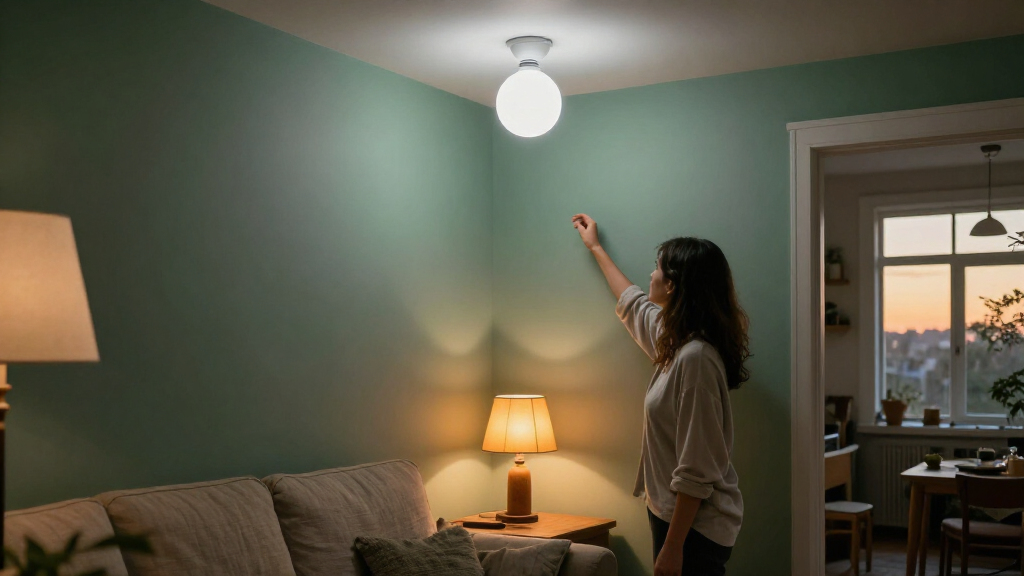
Warm household lighting can make wall paint look different after dark, according to interior designers quoted in a Livingetc report, because the color and intensity of the light affect how people perceive a painted surface. The report recommends checking paint under the lighting used at night and combining lamps and wall lights rather than relying only on a bright central ceiling fixture.
Jo Plant, Pooky’s chief creative officer, says people often choose paint in daylight without checking how it will look once lamps and wall lights are switched on. The report gives a typical comparison: natural light is around 5,000 kelvin, while many household bulbs are between 2,500K and 3,000K. These figures describe light color temperature, not brightness; the source does not provide measurements for particular rooms or fixtures.
Plant says the warmer evening glow can change how colors read: warm blues may appear warmer, while some cooler hues can look muddy or flat. Interior designer and color consultant Emily Brooks explains that people perceive paint color through light reflecting from its pigment, so the light’s temperature and strength influence the apparent shade. The effect will depend on the paint, its finish and the lighting in the room.
Brooks advises treating paint, finish and light as parts of the same scheme. She suggests choosing the paint in natural daytime conditions, then tuning the evening bulbs to suit the desired appearance. A cooler bulb, she says, can bring out pink or purple notes in terracotta; warmer light can emphasize its yellow base. Those examples are her design guidance, not a guarantee that a specific bulb will produce the same result in every home.
How Evening Light Changes Walls
The advice matters most to people choosing paint for rooms they use after sunset, such as living rooms and bedrooms. A color that looks appealing in a bright showroom or in daytime sunlight may not appear the same under a home’s warmer lamps. That difference can lead residents to question the paint choice when the lighting, rather than the paint alone, may be shaping the impression.
The report’s practical point is that paint color and lighting should be judged together. Before repainting, homeowners can test the color in the room at different times and with the bulbs they plan to use. Changing bulb temperature or adding lower, more diffused light may alter the room’s appearance without changing the walls. Results will vary with the specific paint, finish, bulb and placement.
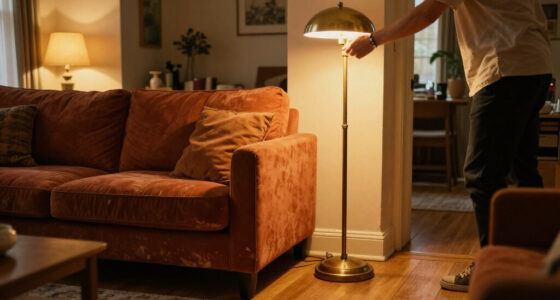
Layering also affects the room’s atmosphere as well as the color seen on the walls. Brooks warns against depending on a single harsh overhead fixture and recommends using lamps and wall lights as ambient sources. Multiple light sources can spread illumination around the room and create variation across the wall, rather than lighting it uniformly from above.
As an affiliate, we earn on qualifying purchases.
Daylight Is Not Evening Light
The report focuses on a common mismatch in decorating: paint is often selected in daylight, but rooms may be used under electric lighting at night. According to Plant, many home bulbs fall between 2,500K and 3,000K, compared with the approximately 5,000K figure the report gives for natural light. These are general reference points in the article, not readings for every bulb or daylight condition.
Brooks says the perceived color comes from light interacting with paint pigment. The report therefore treats the wall shade, paint finish and light source as connected choices. It does not argue that warm bulbs always make paint look wrong; instead, the effect depends on the color and the lighting combination. A bulb that brings out one undertone may make another shade appear less appealing.
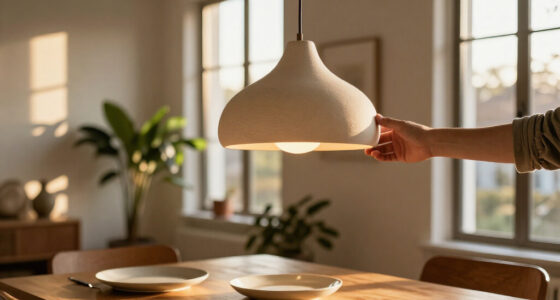
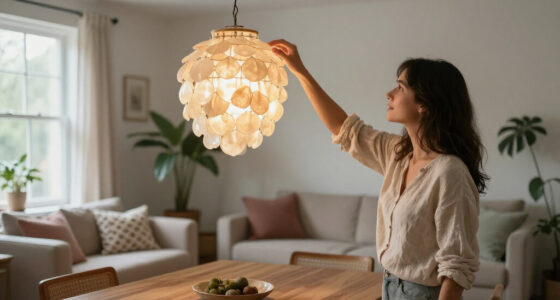
The suggested approach is to keep the paint choice and adjust the lighting to the room’s use and intended mood. Brooks describes changing lamp temperature to influence how a terracotta wall reads. For general evening lighting, she recommends diffusing overhead light with larger, non-clear bulbs and adding lamps and sconces rather than relying on downlights, spotlights or one central ceiling light alone.
“The color or temperature of the light hitting it, and the strength of that light hugely affect how our eyes perceive the shade.”
— Emily Brooks, interior designer and color consultant, as quoted by Livingetc
As an affiliate, we earn on qualifying purchases.
What Depends on Each Room
The report does not specify a single bulb temperature that works for every paint color or room. It offers general temperature ranges and designer examples, but does not cite controlled tests comparing particular paints, finishes or bulb models. The source also does not quantify how much a given wall color will shift under a specific fixture.
How a room looks will depend on factors including the paint’s undertones and finish, the intensity and color temperature of the bulbs, fixture placement and the amount of daylight. The report does not establish that every cool paint will look muddy or that every warm bulb will produce an undesirable result. Its guidance is to test the combination in the room rather than assume the same outcome across homes.
dimmable wall sconces for living room
As an affiliate, we earn on qualifying purchases.
As an affiliate, we earn on qualifying purchases.
Test the Paint After Sunset
For readers choosing paint or reviewing a room that looks different at night, the report’s advice is to assess the shade in its daytime and evening conditions before deciding to repaint. Switch on the lamps and wall lights normally used after dark, then see whether the color and mood match the intended result. The source does not prescribe a particular test method or bulb for every situation.
If the appearance feels off, try adjusting the bulb temperature or using more than one light source. Brooks recommends combining lamps and sconces with diffused overhead lighting, and says bulb temperature can be selected to emphasize different color undertones. The next step is a room-specific choice: compare the effect of the lighting options in place before making a broader change to the paint scheme.
color temperature adjustable bulbs
As an affiliate, we earn on qualifying purchases.
As an affiliate, we earn on qualifying purchases.
Key Questions
Why can paint look different at night?
Light affects how people perceive paint color. The Livingetc report says many household bulbs are warmer than daylight, and designers say that difference can bring out or mute particular undertones.
What bulb temperature does the report give for household lighting?
The report says many home bulbs fall between 2,500K and 3,000K, compared with an approximate figure of 5,000K for natural light. These are general figures, not a prescription for every room.
Should I repaint if a wall color looks wrong at night?
Not necessarily. The report recommends checking the room’s bulbs and fixture arrangement as well as the paint. Try the color under the lighting used in the evening before deciding whether the walls need to change.
What lighting setup do the designers recommend?
Emily Brooks recommends layered lighting, including lamps and wall lights, and diffusing overhead lighting rather than relying on a single central fixture. The best arrangement depends on the room and the desired effect.
Source: rss
Halloween Picks
halloween
As an affiliate, we earn on qualifying purchases.