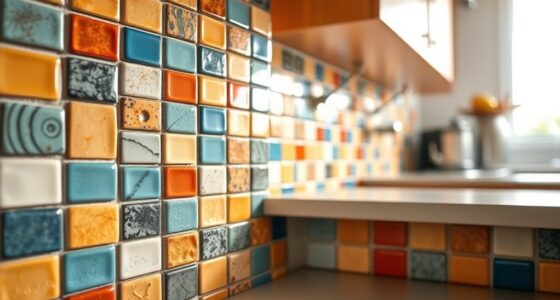
To achieve an authentic antique look on a budget, you can mix vintage pieces with carefully chosen reproductions that mimic age and style. Vintage furniture naturally shows signs of wear and character, which you can enhance with restoration techniques like sanding or distressing. Reproductions offer affordable options, and blending them with vintage finds creates a timeless aesthetic. Keep an eye on details and styling tips to make your space feel warm, authentic, and unique—more insights await if you continue exploring.
Key Takeaways
- Choose authentic vintage pieces for genuine character but be prepared for restoration costs.
- Use DIY restoration techniques like sanding and antiquing to enhance reproduction furniture affordably.
- Mix vintage and reproduction items to create a timeless, personalized look without overspending.
- Focus on accessories and layered textiles to add authentic charm without buying expensive antiques.
- Prioritize quality reproductions with detailed craftsmanship for an authentic appearance on a budget.

Achieving an authentic antique look doesn’t have to break the bank, whether you choose vintage pieces or reproduction furniture. The key lies in understanding how to leverage restoration techniques and decorating styles to create a cohesive, timeless aesthetic. Vintage furniture offers genuine character, with signs of age and history that add charm, but it often requires careful restoration to bring out its best. Restoration techniques such as sanding, refinishing, or applying a fresh coat of paint can revive worn surfaces, highlight unique details, and give older pieces new life. You might also consider distressing or antiquing finishes to mimic the natural wear patterns found on true antiques. These methods help preserve the authenticity while guaranteeing the furniture fits seamlessly into your space. Incorporating pool terminology and understanding design principles can further elevate your decor choices.
Vintage furniture with restoration techniques creates authentic, timeless charm on a budget.
On the other hand, reproduction furniture provides a more budget-friendly option that still captures the essence of a particular decorating style. Reproductions are designed to imitate vintage or antique pieces, often with a focus on affordability and consistency. When choosing reproductions, pay attention to the craftsmanship and details—like ornate carvings, decorative hardware, and proportions—that match your preferred decorating styles. Whether you favor Victorian elegance, rustic farmhouse warmth, or Mid-century modern simplicity, selecting the right style helps create a unified look. You can enhance these reproductions with simple restoration techniques—such as changing hardware, adding a new finish, or distressing the surface—to give them a more authentic feel.
Decorating styles play a vital role in achieving a convincing antique ambiance. For a vintage look, incorporate mismatched or heirloom pieces, layered textiles, and antique accessories like mirrors, lamps, and picture frames. These elements contribute to a lived-in, curated appearance that feels genuine. If you opt for reproduction furniture, blend it thoughtfully with vintage finds or vintage-inspired decor to avoid a overly manufactured vibe. Mixing styles and textures creates depth and authenticity, regardless of whether the furniture is true vintage or reproduction.
Ultimately, your goal is to craft a space that feels timeless and personal. Use restoration techniques to maintain or enhance the antique character of vintage pieces, and choose decorating styles that complement your aesthetic. Whether you’re restoring a piece yourself or strategically selecting reproductions, your attention to detail will help you achieve that coveted antique look on a budget. The right combination of techniques and styles will ensure your space feels warm, inviting, and full of history—without the hefty price tag.

Scotch Felt Pads 32 PCS Beige, Felt Furniture Pads for Protecting Hardwood Floors, 1" Round, Easy-to-apply, Self-Stick design, Reliable protection from nicks, dents and scratches (SP802-NA)
- Suitable for various furniture: Protects furniture and décor
- Simple to install: Self-stick design for easy application
- Facilitates furniture movement: Felt material allows easy sliding
As an affiliate, we earn on qualifying purchases.
Frequently Asked Questions
How Do I Identify Genuine Antiques From Reproductions?
To identify genuine antiques, start by examining antique markings, which often include maker’s marks, stamps, or signatures that can verify authenticity. Perform authenticity tests such as checking the craftsmanship, materials, and signs of age like wear and patina. Genuine antiques usually show consistent aging, whereas reproductions might look artificially distressed. Trust your instincts, consult reference guides, and consider expert appraisals for the most accurate assessment.
What Are the Best Affordable Sources for Vintage Furniture?
Imagine uncovering hidden gems in a bustling thrift store or scrolling through vibrant online marketplaces. You can find affordable vintage furniture in thrift stores, flea markets, and estate sales, where old charm awaits discovery. Online marketplaces like eBay or Facebook Marketplace also offer a treasure trove of thrift store treasures at competitive prices. Keep an eye out, be patient, and you’ll score pieces that add character without breaking the bank.
Can Modern Paint Techniques Make Reproductions Look Authentic?
Yes, modern paint techniques like faux aging and paint distressing can make reproductions look authentic. You can apply these methods to add a worn, vintage charm to your furniture. Use sandpaper or a waxing technique to create chipped paint effects, and experiment with glazing or staining to add depth. These techniques help your reproductions blend seamlessly with genuine antiques, giving you an authentic look without the high cost.
How Do I Maintain Vintage Pieces to Preserve Their Value?
Think of your vintage pieces like a cherished family heirloom—careful preservation keeps their story alive. To maintain their value, you should follow proper restoration techniques, like gentle cleaning and avoiding harsh chemicals. Regularly dust and store them in stable environments. Preservation tips include handling with clean hands and avoiding direct sunlight. These steps guarantee your vintage treasures stay beautiful and valuable for generations to come.
Are There Specific Styles That Are Easier to Replicate on a Budget?
Shabby chic and Mid-century modern styles are easier to replicate on a budget. Shabby chic uses distressed paint, soft pastel fabrics, and vintage-inspired accessories, which are affordable and readily available. Mid-century modern emphasizes clean lines and simple furniture, often found at thrift stores or affordable retailers. Focus on key pieces and DIY techniques to achieve authentic looks without overspending, making these styles perfect for budget-friendly vintage recreations.

Scotch Felt Pads 162 PCS Beige, Felt Furniture Pads for Protecting Hardwood Floors, Round, Assorted Sizes Value Pack, Self-Stick design, Protecting from nicks, dents and scratches (SP845-NA)
- Versatile Furniture Protection: Suitable for chairs, tables, lamps, and more
- Easy Self-Stick Installation: Peel and stick design for quick setup
- Protects Various Hard Surfaces: Safeguards hardwood, tile, laminate, vinyl
As an affiliate, we earn on qualifying purchases.
Conclusion
Whether you choose vintage or reproduction pieces, achieving that charming antique look is within your reach. Think of your space as a canvas—you hold the brush, and every carefully selected item adds character and history. With a little creativity and savvy shopping, you can create a timeless vibe without breaking the bank. Remember, it’s not about perfection but about capturing the soul of the past—your home is your story, painted in shades of nostalgia.
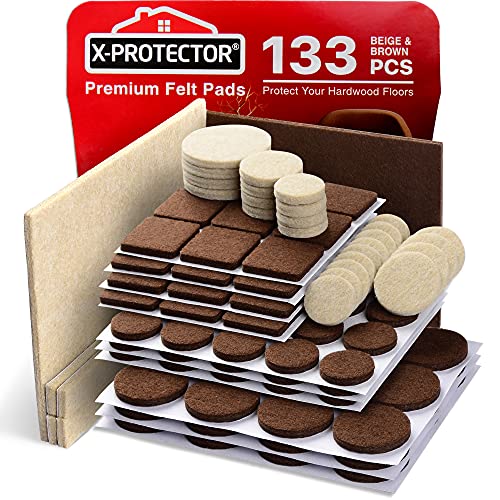
Felt Furniture Pads X-PROTECTOR 133 PCS Premium Furniture Pads - Felt Pads
- Floor protection for various surfaces: Protects wood, laminate, and tile floors
- Includes two-pack for complete coverage: One brown and one beige pack
- Total 133 pieces for comprehensive protection: Includes different sizes for all furniture
As an affiliate, we earn on qualifying purchases.

OPNICE Desk Organizer and Accessories, 2-Tier Computer Monitor Stand Riser with Drawer and 2 Pen Holders, Laptop Stand, Office Desk Accessories for Office Supplies, Black
- Ergonomic Design: Elevates monitor for comfortable viewing
- Space Saving: Includes drawer and pen holders for organization
- Durable and Stable: Made of sturdy metal for long-lasting stability
As an affiliate, we earn on qualifying purchases.