
TL;DR

Get furniture and decor delivered free with Prime
- Fast, free delivery on millions of items
- Prime Video, Amazon Music and more included
- Member-only deals all year
Apartment Therapy interviewed four interior designers about living-room advice they think homeowners should reconsider. Their suggestions include embracing darker, cozier rooms, floating sofas, finding alternatives to placing TVs above fireplaces, and prioritizing comfort over a showroom look.
Apartment Therapy has published a report in which four interior designers challenge familiar living-room decorating rules, including the push for bright interiors, wall-hugging sofas, televisions above fireplaces and pristine, photo-ready rooms. The advice is a set of professional opinions, not a universal standard, but it offers homeowners alternatives that put comfort, conversation and a room’s character ahead of rigid styling conventions.
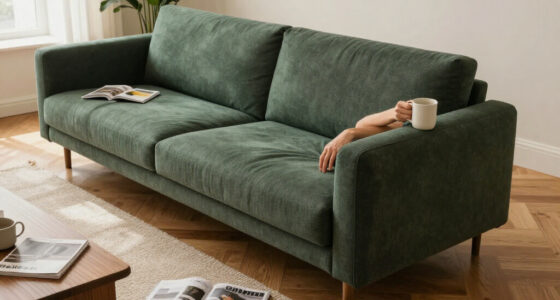
Designer Athiana Makar of Studio Clae pushes back on the idea that every living room should be “light and airy.” She told Apartment Therapy that the emphasis on brightness can overlook what makes a room welcoming. Makar and Claire Sá, co-founder of De Rosee Sa, suggest that darker colors, rich woods, natural materials and layered lighting can create warmth and intimacy. The report does not say that pale paint or sheer curtains are inherently wrong; its point is that they are not requirements for a successful room.
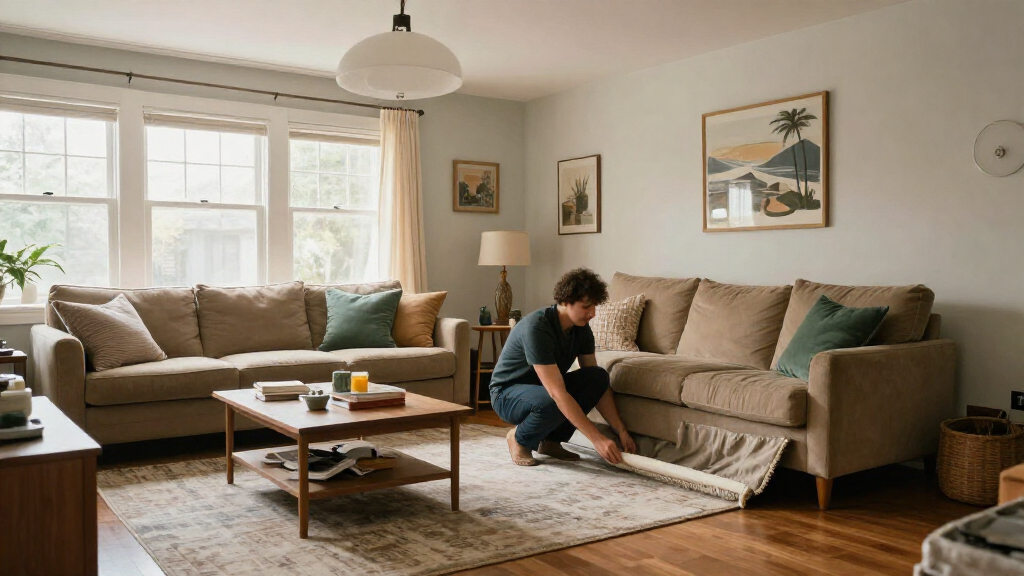
Jacqueline Gonçalves of MOKSA Studio questions placing every piece of furniture along the room’s perimeter. She says that arrangement can leave awkward gaps and make the seating feel disconnected. Her alternative is to consider floating the sofa away from the wall and grouping seats and tables to support conversation. Whether that works depends on the room’s dimensions, doorways and circulation needs; the article does not prescribe one layout for every home.
Gonçalves also advises against treating the fireplace as the automatic location for a television. A screen mounted there may sit too high, she says, and can dominate the room when it is off. She suggests other placements, including an off-center location or concealment in furniture. The report’s fourth point is about living with the room rather than staging it: New Jersey designer Meghan Meehan says a living room should be comfortable enough for people to move a pillow, leave a magazine out or enjoy tea without worrying about disorder.
Comfort Over Decorating Rules
The advice matters to readers because living rooms often have to accommodate several uses, from conversation and relaxation to watching television. Applying a rule without considering those activities can leave a space that looks orderly but does not work well for the people using it. The designers’ alternatives invite homeowners to judge choices by how the room functions and feels, not only by whether it matches a popular image.
That is not a call to reject every conventional choice. A light palette, sofa against a wall, or television over a fireplace may suit a particular home. The report instead argues against treating these options as mandatory. For people planning changes, that distinction can help keep a decorating decision grounded in personal taste, room layout and daily habits rather than social-media expectations.
Products Worth Considering

LEVOIT Vital 200S-P Smart Air Purifier for Large Rooms

Dyson W1 PencilWash Cordless Wet and Dry Floor Cleaner with Dock

LG 85-Inch QNED84B Mini LED 4K Smart TV (2026)
As an affiliate, we earn on qualifying purchases.
The Four Rules Under Review
Apartment Therapy’s Kelsey Mulvey says she asked four interior designers for the worst living-room decorating advice they had heard. The resulting report focuses on four familiar ideas: make the room light and airy, push the sofa to the wall, hang the television above the fireplace, and keep the space picture-perfect. The designers describe these as conventions worth questioning, not rules that are always wrong.
The source is a lifestyle and home-design report, rather than a survey or technical study. Its recommendations are based on the named designers’ experience and preferences. It does not provide measurements, comparative tests or evidence that one arrangement works better in every home. Readers should treat the suggestions as design perspectives to adapt to their own spaces.
“It often creates a disconnected arrangement with awkward gaps.”
— Jacqueline Gonçalves, founder of MOKSA Studio, as quoted by Apartment Therapy
Advice, Not Universal Rules
The report does not establish that any of the four decorating choices is always a mistake. It offers designers’ views, and the best arrangement will depend on room size, furniture, household needs and individual preferences. It also does not give detailed guidance on television viewing height, fireplace use or specific furniture clearances. Those practical factors remain for homeowners to assess in their own spaces.
The source does not identify a single layout or palette as the correct replacement for the challenged rules. It also does not report reader testing or broader industry consensus. The recommendations should be understood as attributed opinions, not evidence that every room should be dark, every sofa should float, or every television should be concealed.
Putting the Advice to Work
Apartment Therapy’s report does not announce a product, policy or scheduled follow-up. For readers, the next step is to assess what their living room needs to do: how people move through it, where they gather, what they watch and how much upkeep they want. A small adjustment—such as testing a sofa’s position or adding a table lamp—may be enough to see whether a different arrangement improves comfort and conversation.
Before making a costly change, homeowners can measure the room, account for doors and walkways, and consider how a television will be viewed from the seats. They can also decide whether a polished look or a more lived-in space better fits their household. The designers’ central suggestion is to make choices around the people who use the room, rather than treating social-media images or longstanding conventions as instructions.
Key Questions
What four living-room decorating rules does the report challenge?
It questions the expectation that every room be light and airy, that sofas sit against walls, that televisions go above fireplaces, and that living rooms remain picture-perfect.
Should I move my sofa away from the wall?
Jacqueline Gonçalves recommends considering a floating sofa to bring seating closer together and support conversation. Whether it suits a particular room depends on its layout and walkways.
Is a dark living room better than a light one?
The designers do not say dark rooms are always better. Athiana Makar’s point is that brightness is not a requirement for an inviting space; color choices should reflect the room and the people who use it.
Why do the designers object to TVs above fireplaces?
Gonçalves says the screen may end up too high and can look like a prominent black box when switched off. She suggests considering another location or concealing the television in furniture.
Does the report provide tested design rules?
No. It is a lifestyle report presenting four designers’ opinions, not a study comparing layouts or a set of rules shown to work in every home.
Source: apartmenttherapy.com