TL;DR

Get furniture and decor delivered free with Prime
- Fast, free delivery on millions of items
- Prime Video, Amazon Music and more included
- Member-only deals all year
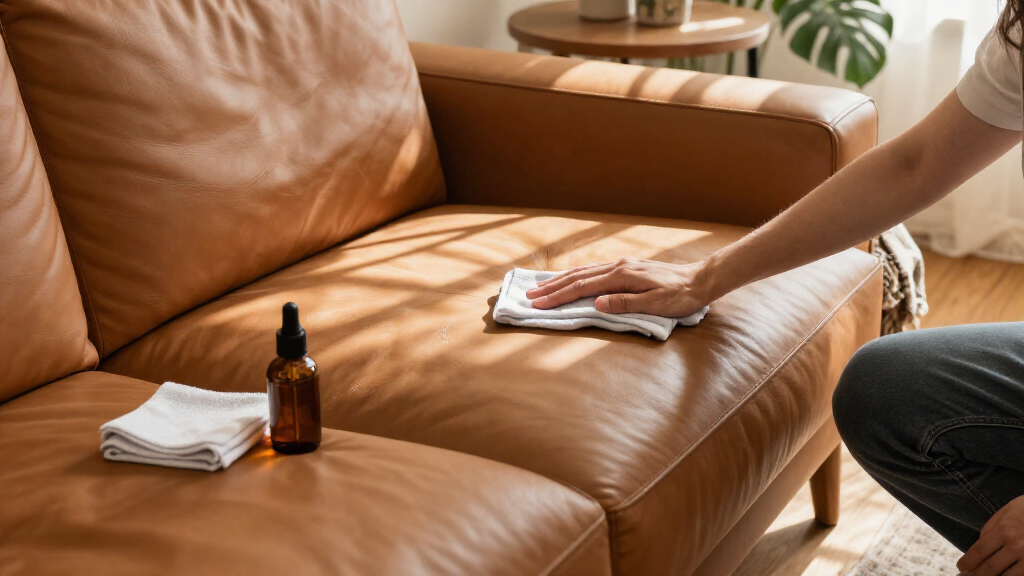
Leather furniture should be vacuumed and wiped with a dry cloth about every one to two weeks, depending on use and how quickly dust, hair or crumbs build up. Experts cited by House Beautiful also recommend a specialized deep clean every three to six months, while conditioning and moisture use should depend on the leather type and its care instructions.
A House Beautiful report on leather furniture care recommends removing dust, pet hair and crumbs with a vacuum and dry cloth as often as every one to two weeks, depending on use, and scheduling a specialized deep clean every three to six months. The advice, attributed to furniture and leather-care professionals, highlights that leather may need less frequent cleaning than some upholstery but still requires regular attention to help limit surface wear.
Lisa Beach, director of operations at leather furniture company BenchMade Modern, advises vacuuming and wiping furniture with a dry cloth when debris begins to accumulate. How often that is needed depends on how heavily a piece is used, the report says. Removing particles before they settle may help prevent them from scratching the leather surface. The suggested interval is a guide rather than a fixed schedule for every household.
Beach cautions against making damp wiping part of frequent routine cleaning. For semi-aniline or protected leather, she says a damp-cloth wipe every few months may be appropriate, followed by a dry cloth to remove excess moisture. More absorbent natural full-grain leather generally should not be exposed to moisture unless cleaning a spill or stain, according to her guidance. Owners should also follow the furniture maker’s care instructions.
Shawn McGowen, CEO of leather-care product company Leather Honey, recommends a deeper clean every three to six months, using a specialized pH-balanced product, and conditioning the leather afterward. The report does not name a single product suitable for every finish. Its advice is to match the method to the leather and avoid treating all leather furniture as if it responds identically.
A Routine Can Limit Surface Wear
Regular dust and debris removal gives owners a practical way to care for furniture before buildup becomes harder to address. The suggested intervals also clarify that “low maintenance” does not mean “no maintenance”: a leather sofa may last for many years, but its care needs vary with use, finish and exposure to dirt or sunlight. The report says full-grain leather can last for decades with proper care, but does not provide a lifespan guarantee.
Choosing the wrong cleaning method can also create problems. The guidance distinguishes between occasional damp wiping for some protected leathers and a more moisture-sensitive approach for natural full-grain leather. That distinction matters for people who might otherwise use water or a general household cleaner by default. For major damage, professional restoration may be more appropriate than an at-home attempt.
Products Worth Considering

Philips Hue Play Gradient 65-Inch Smart TV Light Strip

Philips Hue Festavia 65-Foot Smart LED String Lights, 250 Color-Changing Mini LEDs

Arlo Pro Wireless Security Camera, 2K HDR, 6th Generation, 4-Camera System
As an affiliate, we earn on qualifying purchases.
Patina, Fading and Leather Damage
The House Beautiful report separates normal aging from signs that may call for repair. McGowen describes patina as a gradual change that can make leather slightly darker, smoother and softer, often first appearing where people sit or rest their arms. He attributes that effect in part to natural body oils burnishing the surface. Patina, by itself, is not presented as damage.
By contrast, the report lists cracking, flaking, stiffness and wrinkles that remain after cleaning as possible signs of deterioration. Leather can also fade in a sunny room rather than darken. McGowen says small areas may be treated with at-home recoloring balm or dye, but the report advises seeking a leather-care professional for tears, holes, extensive discoloration or stains. Specialists may have color-matching experience and tools for larger restoration work.
“For semi-aniline or protected leathers, you may wipe down your furniture every few months with a damp cloth, but be sure to follow with a dry cloth to remove any excess moisture.”
— Lisa Beach, director of operations at BenchMade Modern, as quoted by House Beautiful
Care Depends on Finish and Use
The recommendations are general guidance from two professionals quoted in the House Beautiful report, not a universal schedule tested for every leather type, furniture maker or household. The report does not specify how to identify every finish, name a product for all materials, or set a separate conditioning interval beyond McGowen’s advice to condition after a deep clean. It also does not quantify how much the recommended routine extends a sofa’s life.
Owners should check manufacturer instructions before using water, cleaners, conditioners or recoloring products, especially when a piece’s finish is unknown. The source does not provide a method for diagnosing every stain or repair. Large or persistent problems may need an in-person assessment by a leather-care specialist.
Check the Label Before Cleaning
For routine upkeep, owners can first remove visible dust and debris with a vacuum and dry cloth, then adjust the frequency to the furniture’s use and condition. Before a deeper clean or conditioner is applied, they should confirm the leather type and consult the maker’s care guidance. A test on an inconspicuous area may help identify an adverse reaction, but it does not replace product or manufacturer instructions.
People facing tears, holes, broad discoloration or stains should consider getting advice from a leather-restoration professional rather than attempting a large repair themselves. The report does not announce a new product, regulation or scheduled follow-up; its practical next step is routine care tailored to the furniture and professional help when damage is beyond simple cleaning.
Key Questions
How often should I wipe down leather furniture?
The report recommends vacuuming and using a dry cloth every one to two weeks, or when dust, pet hair, dander or crumbs begin to accumulate. The right frequency depends on use and buildup.
How often should leather furniture get a deep clean?
Shawn McGowen recommends a specialized deep clean every three to six months, followed by leather conditioner. Check the furniture maker’s instructions and use a product suited to the leather finish.
Can I use a damp cloth on leather?
Lisa Beach says a damp cloth may be used every few months on semi-aniline or protected leather, followed by a dry cloth. She advises against moisture for natural full-grain leather except when addressing a spill or stain.
How can I tell patina from damage?
Patina may appear as a gradual darkening, smoother feel or softer sheen, especially on frequently used areas. The report identifies cracking, flaking, stiffness and persistent wrinkling as possible damage rather than ordinary patina.
When should I call a leather-care professional?
The report recommends professional help for tears, holes, large areas of discoloration or stains. A specialist may be better equipped to match color and handle larger restoration work.
Source: housebeautiful.com