
TL;DR
Dutch people are adopting unconventional cooling strategies, including mobile jungle setups and shadow art installations, to combat record-breaking heat. This reflects broader climate adaptation efforts amid increasingly intense heatwaves.
In response to a recent heatwave in the Netherlands that saw temperatures reach up to 40°C, Dutch residents are turning to innovative cooling methods, including setting up mobile jungles and creating shadow art installations. These efforts aim to mitigate the health risks and discomfort caused by the extreme heat, highlighting local adaptation strategies amid climate change impacts.
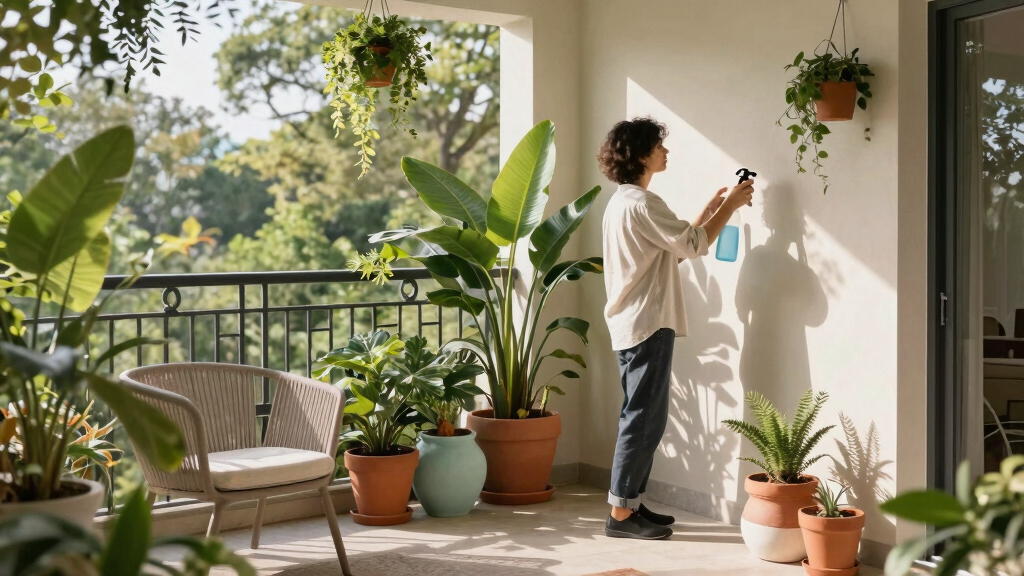
Local communities across the Netherlands have begun deploying mobile jungle structures, which are large, portable green spaces designed to provide cooling and shade in urban areas. These structures often feature dense foliage and water elements, mimicking tropical environments to offer relief from the heat. Additionally, artists and residents are creating shadow art installations—large-scale sculptures and murals that cast intricate shadows—intended to reduce surface temperatures and promote awareness about climate effects. The Dutch government has issued heat advisories, urging residents to stay indoors during peak hours and implement personal cooling measures.
According to Dutch climate experts, these community-led initiatives are part of a broader trend of innovative urban cooling strategies. Local authorities have also opened public cooling centers and distributed water supplies, but the creative efforts have gained significant attention on social media, with thousands searching for ways to beat the heat. The use of mobile jungles and shadow art reflects a shift toward more sustainable, community-driven responses to increasingly frequent heatwaves.
Why Creative Cooling Matters in the Dutch Climate Context
The adoption of mobile jungles and shadow art by Dutch residents demonstrates how communities are innovating to adapt to the intensifying impacts of climate change. These methods not only provide immediate relief but also raise awareness about sustainable urban cooling solutions. As heatwaves become more common in Europe, such grassroots efforts could serve as models for other regions facing similar challenges, emphasizing the importance of local ingenuity in climate adaptation.

Hapfan 7.8 FT Jungle Gym with Platform & Tent, Climbing Tower for Kids
- All-in-one Playset: Climbing, sandbox, and tent included
- Sturdy Platform Support: Supports up to 200 lbs
- Stable and Portable Frame: Includes ground stakes for stability
As an affiliate, we earn on qualifying purchases.
As an affiliate, we earn on qualifying purchases.
Recent Heatwaves and Rising Temperatures in the Netherlands
The Netherlands has experienced increasingly severe heatwaves over the past decade, with the recent event in July 2024 marking one of the hottest periods on record, reaching temperatures of 40°C. Experts attribute this trend to climate change, which has led to more frequent and intense heat events across Europe. Historically, Dutch cities have been built for cooler, wetter conditions, but urban heat islands now exacerbate the discomfort and health risks during heatwaves. Local authorities and residents are exploring various ways to cope, from traditional cooling centers to innovative community projects.
“These creative solutions like mobile jungles are crucial in helping urban populations stay safe and cool during extreme heat events.”
— Dutch climate researcher Dr. Anne de Vries

Modern Shade 4×6 FT Metal Privacy Screen with Artistic Modular Designs Decorative Patio Privacy Fence & Garden Divider, Freestanding Outdoor Metal Fence Panel, Weather-Resistant (Perch & Meadow)
- Artistic Laser-Cut Shadow Patterns: Creates stunning shadow art in outdoor spaces
- Weather-Resistant Galvanized Steel: Resists rust, fading, and harsh weather
- Freestanding, Easy to Install: Includes anchors and stakes for versatile setup
As an affiliate, we earn on qualifying purchases.
As an affiliate, we earn on qualifying purchases.
Unclear Long-Term Effectiveness of Community Cooling Projects
While these innovative methods are gaining popularity, it is still unclear how effective mobile jungles and shadow art are in providing sustained relief during prolonged heatwaves. Experts caution that these are temporary solutions, and their scalability and long-term impact need further study. Additionally, it remains uncertain how widespread adoption will become across different regions of the Netherlands and Europe.

SWEETFULL Portable Misting Fan – 180° Foldable Handheld Personal Fan with Mist Spray, 3 Speeds, 30ml Water Tank, USB Rechargeable for Travel, Outdoors, Makeup, Camping, Home, and Office Use
- Long-lasting 30ml Water Tank: Extended misting duration for cooling
- Nano-mist Spray Technology: Enhances cooling and hydration
- High-Frequency Vibration: Boosts misting efficiency by 100%
As an affiliate, we earn on qualifying purchases.
As an affiliate, we earn on qualifying purchases.
Next Steps in Dutch Climate Adaptation Strategies
Authorities and communities are expected to evaluate the effectiveness of these creative cooling methods after the current heatwave. Plans include expanding mobile jungle projects and integrating shadow art into urban planning. Researchers will monitor temperature reductions and community engagement to assess scalability. Meanwhile, policymakers may consider incorporating such grassroots innovations into broader climate resilience policies, aiming for sustainable urban cooling solutions in future heat events.

CROWN SHADES 10×10 Pop Up Canopy Tent, Outdoor Canopy, Forest Green
- Easy One-Button Setup: Quick, tool-free assembly with patented tech
- Adjustable Height Settings: Three soft, pinch-free height options
- UV and Water Resistant Fabric: 150D silver-coated fabric with UPF 50+ protection
As an affiliate, we earn on qualifying purchases.
As an affiliate, we earn on qualifying purchases.
Key Questions
Are mobile jungles and shadow art effective in cooling urban areas?
Preliminary observations suggest they provide localized relief and raise awareness, but comprehensive studies are needed to confirm their overall effectiveness during extended heatwaves.
Can these methods be implemented in other countries?
Yes, similar community-driven cooling strategies could be adapted elsewhere, especially in urban areas vulnerable to heat islands, but their success depends on local conditions and resources.
What other measures are the Dutch government taking to combat heat?
Besides community projects, authorities have opened cooling centers, distributed water, and issued heat advisories to protect vulnerable populations.
Will these creative solutions become permanent fixtures?
It is uncertain; current efforts are primarily temporary responses. Long-term integration into urban planning will depend on ongoing evaluations and community support.
Source: google-trends