
TL;DR
Street culture marketplaces are experiencing rapid growth globally, becoming vital hubs for local commerce and cultural expression. This development is confirmed and highlights their increasing economic and social significance.
Street culture marketplaces are rapidly expanding worldwide, becoming key hubs for local vendors, artists, and communities. This growth is confirmed through recent market openings and increased foot traffic, highlighting their importance in urban economies and cultural landscapes.

Get furniture and decor delivered free with Prime
- Fast, free delivery on millions of items
- Prime Video, Amazon Music and more included
- Member-only deals all year
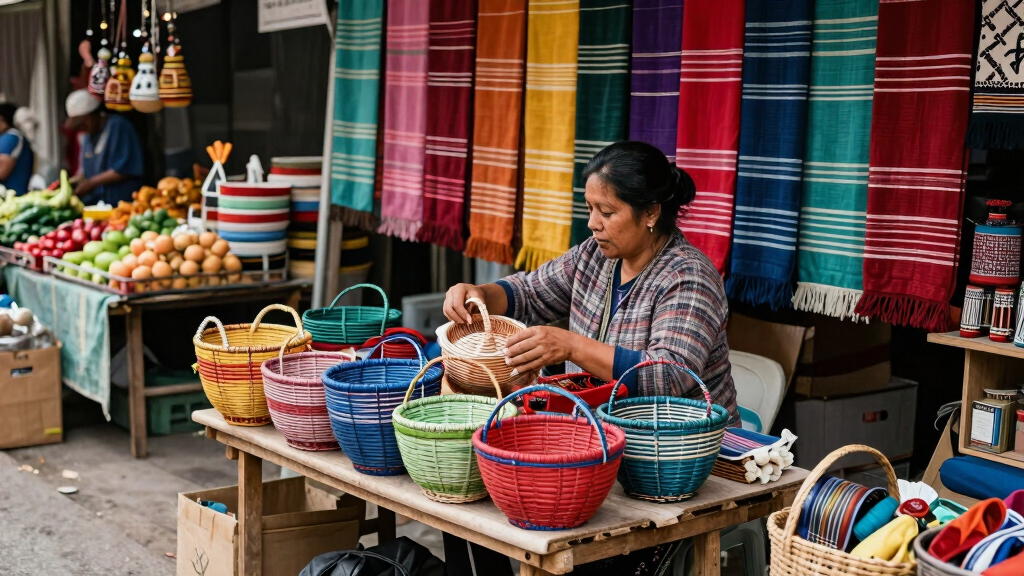
Over the past year, numerous cities across North America, Europe, and Asia have seen the launch of new street marketplaces dedicated to local arts, crafts, food, and fashion. These markets often operate in underutilized public spaces, transforming them into vibrant centers of activity.
According to city officials and market organizers, the rise in street culture marketplaces is driven by increased interest in supporting small businesses and local artists, as well as a desire for authentic cultural experiences among consumers. For example, in New York City, the recent launch of the ‘Urban Arts Market’ in Brooklyn has attracted over 10,000 visitors weekly, according to local authorities.
Vendors and visitors alike report that these markets foster community engagement and economic opportunities. Local entrepreneurs note that street markets provide affordable platforms to showcase their products, while visitors enjoy diverse cultural expressions and unique shopping experiences.
Economic and Cultural Impact of Growing Street Markets
The expansion of street culture marketplaces signifies a shift toward more localized, community-driven urban economies. They support small vendors, promote cultural diversity, and contribute to city revitalization efforts. This trend also indicates a broader consumer preference for authentic, handcrafted, and culturally rich products.
Moreover, these markets can stimulate local tourism and foster social cohesion, making them vital components of modern city life. Their growth underscores the importance of public-private collaborations in creating accessible cultural spaces.
Products Worth Considering

Philips Hue Amarant Outdoor Smart Light Bar, Black

Google Nest Thermostat E Smart Thermostat with Temperature Sensor Bundle – White

Philips Hue Play Gradient Light Tube, Large, Black
As an affiliate, we earn on qualifying purchases.
Recent Trends and Developments in Urban Street Markets
Over the past decade, many cities have increasingly embraced street markets as a way to boost local economies and cultural vibrancy. Initiatives such as city-sponsored pop-up markets and designated street vendor zones have gained traction. The COVID-19 pandemic accelerated this trend, as many vendors turned to outdoor markets to maintain sales amid restrictions.
Recent examples include the opening of the ‘Global Street Market’ in London, which features international cuisines and crafts, and similar markets in Asian cities like Seoul and Bangkok that focus on local artisans and street food. These developments reflect a broader global movement toward more inclusive and diverse urban marketplaces.
“These markets have become vital spaces for local artists and entrepreneurs to connect with the community and grow their businesses.”
— Jane Smith, Market Organizer in Brooklyn
Unconfirmed Aspects of Market Sustainability and Regulation
It is not yet clear how sustainable the rapid growth of street culture marketplaces will be long-term, especially regarding regulatory challenges, vendor compliance, and funding. Some cities are considering stricter regulations to manage congestion and maintain safety, but details are still emerging.
Additionally, the impact of external factors such as economic downturns or future public health restrictions on these markets remains uncertain.
Future Developments and Policy Responses for Urban Markets
City officials and market organizers are expected to evaluate the performance and regulation of these marketplaces over the coming months. Planned initiatives include formalizing vendor permits, increasing public investment, and expanding market locations.
Further research and monitoring will determine whether these markets can sustain their growth and continue contributing to urban economic and cultural vitality.
Key Questions
What types of products are typically sold at street culture marketplaces?
Products often include handmade crafts, street food, vintage clothing, artwork, and local fashion items.
Are street markets officially regulated or informal?
Many markets operate with official permits and city support, though some remain informal. Regulations vary by city and market size.
How do these markets benefit local communities?
They provide economic opportunities for small vendors, promote cultural diversity, and foster community engagement and tourism.
What challenges do street culture marketplaces face?
Potential challenges include regulatory compliance, safety concerns, competition with larger retail outlets, and sustainability amid economic fluctuations.
Source: rss