TL;DR
Interior designers are bringing wall-to-wall carpet back with deep blues, burgundies, pinks and greens, using color and texture to make rooms feel softer without repeating the look of 1980s interiors. The examples show how carpet can work in bedrooms, dining spaces and stairways, though material choice should reflect traffic and maintenance needs.
Interior designers are giving wall-to-wall carpet a contemporary look with jewel-tone colors, varied textures and room-specific choices, reviving a finish strongly associated with 1980s homes. Examples from Studio Kennon, Kennedy Nolan, Flack Studio and Studio Duggan show the material used in bedrooms, dining rooms and stairways, while designers say fiber and pile should be matched to how a room is used.

Get furniture and decor delivered free with Prime
- Fast, free delivery on millions of items
- Prime Video, Amazon Music and more included
- Member-only deals all year
The shift is less about reproducing the muted or patterned carpets many people associate with older interiors and more about treating the floor as a deliberate design surface. The featured projects use dark blue, soft pink, burgundy, yellow-green and green to connect carpet with the rooms’ walls, furnishings and architectural details. Some designs pair deep flooring with pale bedding or walls; others use a saturated color to guide the eye between levels.
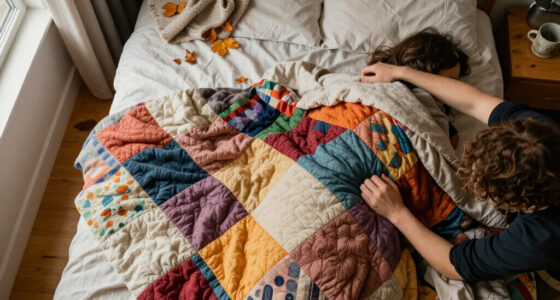
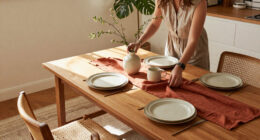
In a bedroom designed by Studio Kennon, dark blue carpet softens a home with a concrete exterior and works against gray tones and a stone headboard. Kennedy Nolan used soft pink carpet in a dining area, making a case for a thick pile in a room used for both meals and morning coffee. The studio also installed a bright yellow-green carpet on stairs leading toward a living area.
Other examples include a burgundy carpet in a bedroom designed by Flack Studio for musician Troye Sivan, set against pink limewash walls, and a green silk carpet in a guest bedroom by Studio Duggan. These are design examples, not evidence of a measured market-wide comeback; the source material provides no sales figures or adoption data.
Modern carpet, a fresh take on the ’80s
Designers are using rich color and varied textures to bring wall-to-wall carpet into contemporary rooms. The right choice depends on how each room is used and maintained.
Five ways the look feels current
Featured projects show carpet working as a deliberate design surface across different rooms.
Ground the room in blue
Studio Kennon paired dark blue carpet with gray tones and a stone headboard.
Add a soft layer
Kennedy Nolan used soft pink, thick-pile carpet in a space for meals and morning coffee.
Draw the eye upward
Bright yellow-green carpet leads the way toward a living area.
Pair complementary color
Flack Studio set burgundy carpet against pink limewash walls.
Bring in a natural tone
Studio Duggan used green silk carpet in a guest bedroom.
Choose by room and foot traffic
Designers recommend matching fiber and pile to how the space is used.
- Consider wool or sisal for higher-traffic downstairs spaces.
- Patterns may help disguise wear or marks.
- Silk, viscose-silk blends or bamboo silk may suit quieter rooms.
- Solids can feel less busy among many furnishings.
Make the color feel intentional
Use carpet as part of the room’s wider palette.
Think about daily use, traffic and the comfort you want.
Compare carpet samples with walls, lighting and furnishings.
Ask suppliers about cleaning, durability and installation.
What the examples can tell us
The projects show design possibilities, while practical results depend on the product and its use.
| What’s shown | What remains unknown |
|---|---|
| Designers used carpet in bedrooms, dining spaces and stairways. | The source gives no sales figures or adoption data. |
| Colors include dark blue, pink, burgundy, yellow-green and green. | Cleaning costs, longevity and stain resistance are not compared. |
Color Makes Carpet Feel Current
The renewed interest matters to homeowners weighing hard flooring against a softer finish. Wall-to-wall carpet can change the feel of a room across its entire floor, rather than adding softness in a single area rug. Designers quoted in the source describe it as a way to add warmth, comfort and visual color, particularly in bedrooms, reading rooms and other spaces intended for relaxation.
Color and material choices also affect whether the result feels intentional or dated. The projects suggest using carpet as part of a larger palette: a darker floor can add depth beneath light walls, while a related wall color or finish can create continuity. That is a design approach, not a guarantee that a particular shade will suit every home.
Practicality remains part of the decision. A plush or delicate carpet may be appealing in a low-traffic bedroom, but a frequently used area calls for a more durable choice and regular cleaning. The designers’ examples broaden the conversation beyond whether carpet is fashionable to where it makes sense and how it will be maintained.
Products Worth Considering

Shark Pet Cordless Stick Vacuum, Up to 40-Minute Runtime, Lightweight, Ocean Blue, IX141

Levoit Vital 100S-P Air Purifier with Washable Pre-Filter

Sony 65 Inch BRAVIA 3 LED 4K HDR Smart Google TV (K-65S30)
As an affiliate, we earn on qualifying purchases.
From Retro Finish to Design Choice
Wall-to-wall carpet has a long-standing association with homes from the late 20th century, which can make its return feel retro. The designers featured here argue that contemporary versions differ through their use of strong color, simpler solids and varied textures, rather than relying on a nostalgic look. The source presents individual projects and professional opinions; it does not establish when the trend began or how widespread it is.
Several designers describe the material as both decorative and tactile. Studio Duggan founder Tiffany Duggan says the studio uses carpet in snug rooms, reading rooms and bedrooms. Los Angeles-based designer Brigette Romanek describes it as a comfortable visual layer, while Kennedy Nolan co-founder Rachel Nolan points to green as a natural-feeling color for a floor. Their comments explain the thinking behind the examples, but remain professional judgments rather than independent research findings.
“Wall-to-wall carpets are glam.”
— Tiffany Duggan, founder of Studio Duggan
How Broad Is the Revival?
The material supplied describes a set of design projects and quotes from designers, but gives no market data, survey results or sales figures to show how widely wall-to-wall carpet is returning. It also does not provide a date range for the projects or establish whether interest is growing across regions or price points.
Practical considerations are not quantified. The source offers general guidance about fibers and foot traffic, but no comparisons of cleaning costs, longevity, stain resistance or environmental impact. Carpet performance will depend on the product, installation and use, so the examples should not be read as a one-size-fits-all recommendation.
Choose Carpet by Room Use
For readers considering the look, the designers’ guidance points to starting with the room’s use and then choosing a color and fiber. Duggan recommends wool or sisal for higher-traffic downstairs areas and reserving silk, viscose-silk blends or bamboo silk for bedrooms with less foot traffic. She also says solids can feel less busy in rooms with many furnishings, while patterns may help disguise wear or marks.
Before committing, homeowners can compare samples with wall finishes, lighting and furnishings, and ask suppliers about cleaning, durability and installation requirements. The source does not identify a specific next industry event or forecast; whether the look spreads beyond the featured projects remains to be seen.
Key Questions
What makes modern wall-to-wall carpet look different from an 1980s version?
The featured designs use jewel tones, solid colors and varied textures, coordinating carpet with contemporary finishes and furnishings rather than relying on a nostalgic pattern. The examples reflect designers’ choices, not a universal rule.
Which colors appear in the featured projects?
The examples include dark blue, soft pink, burgundy, yellow-green and green. Designers use these colors in different ways, from grounding a bedroom to drawing attention up a staircase.
Is wall-to-wall carpet suitable for a dining room?
Kennedy Nolan used thick-pile carpet in a dining space intended for meals and coffee. That is one project example, not a claim that carpet suits every dining room; owners should consider spills, cleaning and daily use.
What carpet materials do the designers recommend?
Tiffany Duggan recommends wool or sisal for higher-traffic areas and suggests silk, viscose-silk blends or bamboo silk for lower-traffic bedrooms. Product durability and care requirements vary, so buyers should check details with the supplier.
Source: livingetc.com