In 2026, you’ll see a strong focus on sustainable fabrics like recycled, organic, and bio-based materials that prioritize eco-friendliness. Digital printing allows for vibrant, intricate, and customizable designs while reducing waste. Expect innovative textures with embossed and layered surfaces that add depth and tactile interest. These trends mirror a growing commitment to eco-conscious fashion and technological advances, making your future wardrobe both stylish and sustainable — stay tuned to learn more about these exciting developments.
Get ready for Prime Big Deal Days — try Prime free
Exclusive member deals on October 6–7, plus fast free delivery. Cancel anytime.
As an affiliate, we earn on qualifying purchases.
Key Takeaways
- Eco-friendly fabrics utilizing recycled fibers, bio-based materials, and biodegradable finishes will dominate 2026 trends.
- Digital textile printing will enable vibrant, intricate, and personalized patterns with minimal waste.
- Innovative textures, including embossed and layered surfaces, will add depth and tactile interest to fabrics.
- Sustainable design practices will integrate eco-conscious finishes and dyeing techniques for visually striking garments.
- Energy-efficient, on-demand production methods will make sustainable and versatile textiles more accessible and responsible.
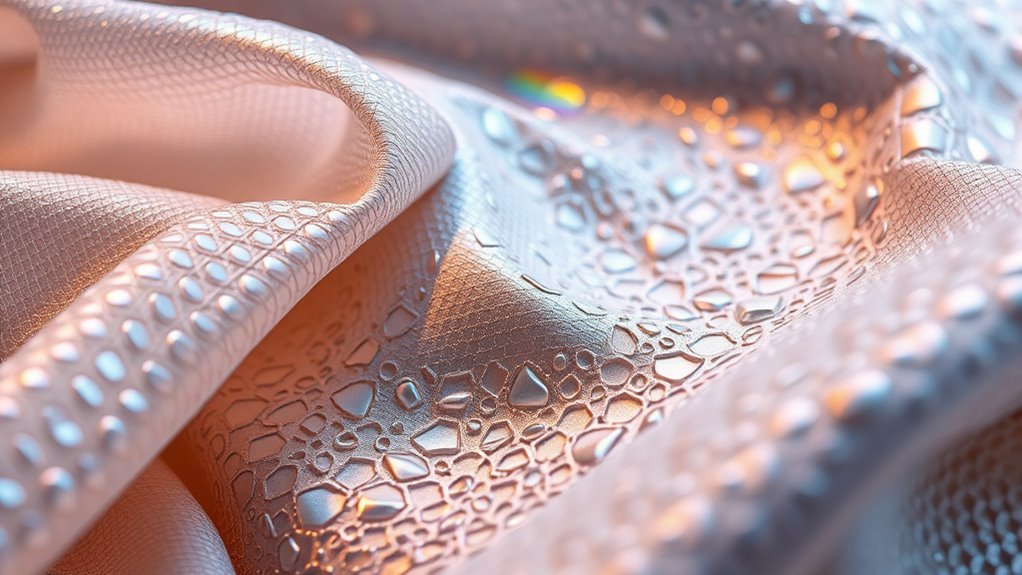
As we look ahead to 2026, textile trends are poised to transform the way you choose, wear, and think about fabrics. One of the most exciting developments is the rise of sustainable innovations that prioritize eco-friendly materials and production methods. You’ll see a shift toward fabrics made from recycled fibers, organic textiles, and bio-based materials that reduce environmental impact. These innovations help you make more conscious choices without sacrificing style or comfort. Digital textile printing is also set to revolutionize the industry, offering endless possibilities for vibrant, intricate designs with minimal waste. This technology allows you to personalize garments with detailed patterns and textures directly on fabric, making each piece unique. Digital printing’s precision means fewer resources are wasted, aligning perfectly with the growing demand for sustainability.
In 2026, fabrics will become more than just materials; they’ll be a reflection of your values. Expect to see a surge in textiles that incorporate sustainable innovations, such as fabrics infused with biodegradable finishes or created through low-impact dyeing processes. Digital textile printing will play a *pivotal* role here, enabling rapid, on-demand production that reduces excess inventory and minimizes environmental harm. This fusion of technology and eco-conscious design will make it easier for you to find clothing that’s both stylish and sustainable. You might notice more garments featuring complex, multi-colored patterns produced with digital printing, which was once limited by traditional methods. Now, you can enjoy detailed motifs and textures that were previously too costly or time-consuming to produce at scale.
Designers will leverage these advancements to experiment with new textures and patterns, pushing the boundaries of what fabrics can do. Expect to see tactile surfaces—think embossed, layered, or textured fabrics—that add depth to your wardrobe. The combination of sustainable materials and digital printing means you’ll have access to garments that are not only visually striking but also ethically made. As these technologies become more affordable and widespread, they’ll empower you to make fashion choices that align with your environmental values while enjoying innovative, eye-catching designs. Overall, the integration of sustainable innovations and digital textile printing in 2026 will make your wardrobe more versatile, responsible, and expressive, transforming how you perceive and wear fabrics. Additionally, the adoption of energy-efficient production methods will further reduce the carbon footprint of textile manufacturing, making sustainable fashion more accessible to everyone.
Frequently Asked Questions
How Do Sustainable Fabrics Influence Upcoming Textile Trends?
Sustainable fabrics influence upcoming textile trends by prioritizing eco-friendly dyes and recycled fibers, making your choices more environmentally conscious. You’ll see designers lean towards these materials to create stylish, responsible pieces. Recycled fibers reduce waste, while eco-friendly dyes lessen chemical impacts, helping you stay trendy without harming the planet. Embracing these fabrics allows you to contribute to sustainability while enjoying innovative textures and patterns that define future fashion.
What Technological Innovations Are Shaping Fabric Development in 2026?
You’re likely to see smart textiles and nanotechnology fabrics shaping the future of fashion in 2026. These technological innovations bring brilliant breakthroughs, blending beauty and brains into fabrics. Smart textiles adapt to your environment, changing color or temperature, while nanotech fabrics offer unparalleled durability and functionality. As these advances accelerate, you’ll experience more personalized, performance-driven pieces that push boundaries and redefine what fabrics can do, making your wardrobe smarter and more sustainable.
Are There Emerging Textile Markets Gaining Popularity Globally?
You’ll notice emerging markets like sustainable textiles in Asia and Africa gaining popularity globally. These markets focus on eco-friendly fabrics, innovative fibers, and ethical production methods that attract environmentally conscious consumers. As global textiles evolve, staying ahead means exploring these emerging markets, where demand for organic, recycled, and tech-enhanced fabrics is rising. By tapping into these trends, you can capitalize on new opportunities and meet the growing global demand for sustainable textile solutions.
How Do Cultural Influences Impact Fabric Patterns and Textures?
Think of fabric patterns and textures as stories woven from cultural symbolism. You see, cultural influences shape these designs like artisans passing down traditional craftsmanship, creating textiles rich in meaning. When you embrace these patterns, you’re carrying centuries of history and identity. It’s a dance between heritage and innovation, where every stitch reflects a deeper cultural narrative, making your choices more meaningful and authentic in a global fashion landscape.
What Role Does Consumer Demand Play in Fabric Innovation?
Consumer demand drives fabric innovation by shaping market trends and preferences. When you seek sustainable, versatile, or high-performance textiles, manufacturers respond by developing new fabrics that meet these needs. Your choices and feedback influence designers to experiment with innovative textures, patterns, and materials. As a result, the industry continually evolves, ensuring that fabrics align with your evolving preferences and lifestyle, pushing the boundaries of textile creativity and functionality.
Conclusion
As you plunge into the textile trends of 2026, you’ll discover fabrics and patterns so innovative, they’ll revolutionize your wardrobe and redefine style itself. These trends aren’t just evolving—they’re exploding into a kaleidoscope of textures and colors that could outshine the stars. Embrace the future of textiles, because what awaits is a breathtaking explosion of creativity so powerful, it’ll leave everyone breathless and your fashion game infinitely elevated. The textile revolution is here—are you ready?
NFL season / tailgating Picks
team gear
As an affiliate, we earn on qualifying purchases.