
TL;DR

Get furniture and decor delivered free with Prime
- Fast, free delivery on millions of items
- Prime Video, Amazon Music and more included
- Member-only deals all year
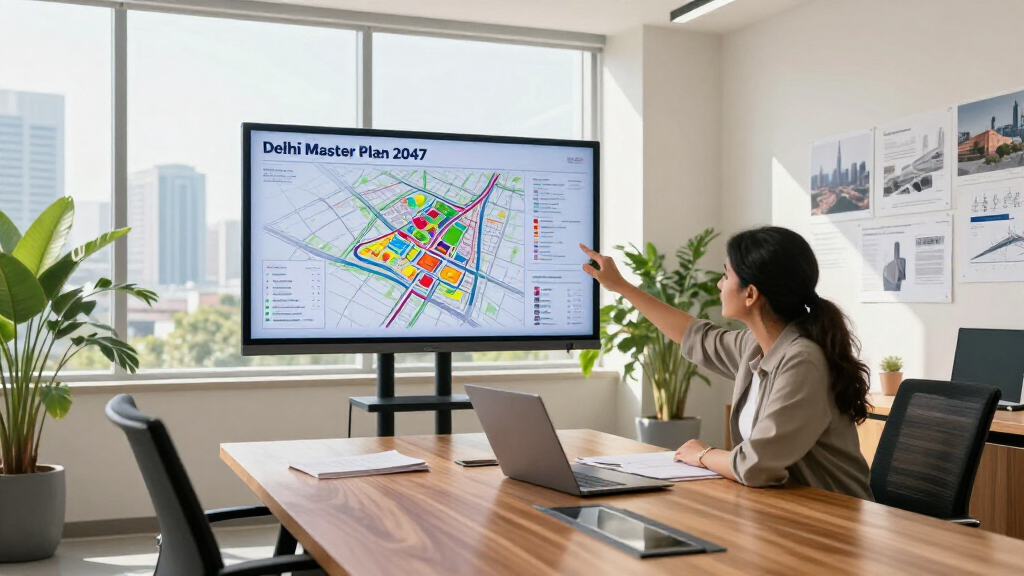
The central government unveiled the Delhi Master Plan 2047, outlining a comprehensive vision to transform Delhi into a world-class city by 2047. The plan aims to accommodate the city’s projected population growth and enhance infrastructure, mobility, and sustainability.
The central government has officially unveiled the Delhi Master Plan 2047, a comprehensive development blueprint designed to transform the national capital into a world-class city by the year 2047. The plan aims to accommodate Delhi’s expected population of 3.2 crore residents and address urban challenges through strategic infrastructure, environmental, and mobility initiatives. This development marks a significant step in long-term urban planning for Delhi, involving multiple agencies and stakeholders.
The Delhi Master Plan 2047 was announced by the Union Ministry of Housing and Urban Affairs in a formal event attended by senior officials, urban planners, and representatives from the Delhi government. The plan emphasizes sustainable growth, improved public transport, green spaces, and smart city initiatives. It aims to balance rapid urbanization with environmental conservation, proposing new zoning regulations, infrastructure upgrades, and affordable housing projects.
Officials stated that the plan incorporates projections of population growth and urban expansion, with specific targets for transportation, housing, and environmental sustainability. The plan also outlines measures to upgrade Delhi’s existing infrastructure, including roads, metro lines, and waste management systems, to support the city’s future needs. The government highlighted that the plan is aligned with the vision of making Delhi a global hub for commerce, culture, and innovation by mid-century.
Implications of the Delhi Master Plan 2047 for Urban Development
This announcement is significant because it sets a clear, long-term framework for Delhi’s urban development, addressing critical issues such as population pressure, traffic congestion, pollution, and housing shortages. By focusing on sustainable growth and smart infrastructure, the plan aims to improve the quality of life for Delhi’s residents and enhance the city’s global competitiveness. The development approach may influence policy directions and investment priorities over the coming decades, shaping Delhi’s future as a major international city.
As an affiliate, we earn on qualifying purchases.
Background and Key Elements of Delhi’s Urban Planning Initiatives
Delhi’s urban planning has historically struggled to keep pace with rapid population growth and economic development. Previous master plans, including those from 2001 and 2021, faced challenges related to implementation and coordination among agencies. The new Delhi Master Plan 2047 builds on these efforts, incorporating lessons learned and aligning with national policies for urban development. It reflects ongoing government commitments to expand infrastructure, improve mobility, and promote sustainability, aiming to prepare the city for the demands of the next 25 years.
“The Delhi Master Plan 2047 is a visionary document that will guide the city’s growth into a global metropolis, balancing development with environmental sustainability.”
— Union Minister of Housing and Urban Affairs
As an affiliate, we earn on qualifying purchases.
Details Still Unclear About Implementation and Specific Targets
While the plan’s broad objectives have been announced, specific implementation strategies, funding allocations, and timelines remain unclear. It is not yet confirmed how the central and Delhi governments will coordinate execution, or how existing challenges such as land acquisition and regulatory approvals will be managed. Stakeholders await detailed action plans and regulatory amendments needed to realize the vision outlined in the master plan.
As an affiliate, we earn on qualifying purchases.
Next Steps Include Public Consultations and Policy Formalization
Following the announcement, authorities are expected to initiate public consultations, finalize detailed development guidelines, and seek approvals from relevant agencies. The government may also release phased action plans over the next year, outlining specific projects and investment priorities. Monitoring mechanisms will likely be established to track progress and ensure accountability in implementing the master plan’s objectives.
sustainable city planning products
As an affiliate, we earn on qualifying purchases.
As an affiliate, we earn on qualifying purchases.
Key Questions
What is the main goal of the Delhi Master Plan 2047?
The main goal is to transform Delhi into a world-class city by 2047, accommodating its projected population of 3.2 crore residents through sustainable development, improved infrastructure, and smart urban planning.
How will the plan address environmental concerns?
The plan emphasizes increasing green spaces, promoting eco-friendly transportation, and implementing sustainable building practices to reduce pollution and conserve natural resources.
When will the detailed implementation strategies be available?
Details are still in development. Authorities plan to release phased action plans and conduct public consultations over the next 12 months to refine the approach.
Will existing residents be affected by new zoning laws?
Potentially, as the plan includes rezoning and infrastructure upgrades. Specific impacts will depend on final policies and community engagement during the consultation phase.
How does this plan compare to previous master plans?
This plan aims to be more comprehensive, focusing on sustainability, smart city initiatives, and long-term infrastructure development, building on lessons from earlier efforts that faced implementation challenges.
Source: local
Fall Picks
fall essentials
As an affiliate, we earn on qualifying purchases.