
TL;DR

Get furniture and decor delivered free with Prime
- Fast, free delivery on millions of items
- Prime Video, Amazon Music and more included
- Member-only deals all year
A Livingetc report describes designers bringing tassels and other passementerie details into modern interiors, often as a single accent in a pared-back room. The examples include curtain tiebacks, light pulls, pendant lamps and furniture; the report presents this as a design direction, not a measured industry-wide trend.
Designers are bringing tassels and passementerie—decorative woven trims and embellishments—into modern, pared-back interiors, according to a Livingetc report featuring work by designers and makers in London, New York and Paris. The examples range from curtain tiebacks and light pulls to pendant lamps and furniture, showing how a traditionally ornate craft is being used as a focused accent rather than an all-over decorating style.
The report centers on Jessica Light, an East London passementerie weaver who has made tassels and trims by hand for more than 30 years. Light says the craft’s place in interiors shifts with changing tastes. “Modernism nearly finished it off,” she says, adding that its many techniques give designers and makers ways to make it relevant to contemporary spaces.
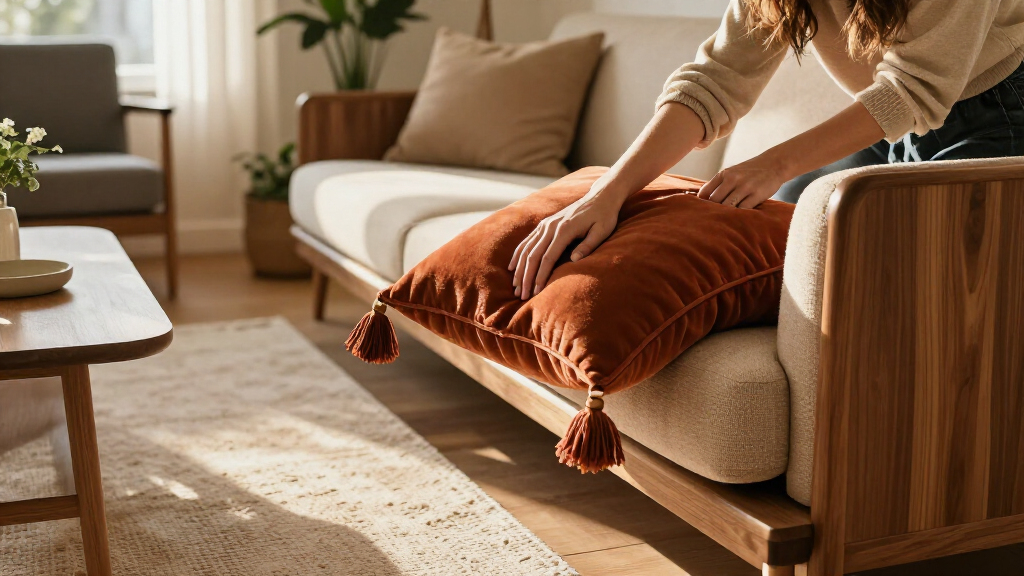
Light recommends using one decorative element in a sparse room, or choosing a trim that contrasts with the surrounding colors. She gives the example of ice-blue trim against earthy ochres, browns and brick reds, and says she is receiving bespoke commissions for single statement tassels that can function as hanging sculptures. Her work uses materials including linen, wool, horsehair and paper, and she says she uses deadstock materials from her atelier where possible.
Other examples in the report show smaller-scale applications. East London Cloth’s selection of monochrome silk tassels appears on tiebacks, light pulls and keys. British studio Penrose Tilbury used a black tassel tieback on a shower curtain in a Victorian townhouse bathroom. The French design studio Hauvette & Madani has used tassels in lighting and furniture, including its Betty pendant lamps and a chair in its 2026 La 23ème Heur collection.
Tassels as Focused Design Accents
The examples matter because they show how a traditional decorative craft can sit alongside clean lines without changing a room’s overall style. A tassel on a curtain or light pull adds texture and color in a contained way; a larger hanging piece or tasseled lamp makes the detail more prominent. The report’s central point is not that every contemporary home needs fringe, but that scale, placement and contrast can make passementerie feel compatible with modern rooms.
For readers considering the look, the designers’ guidance points to practical choices: start with a single tieback or trim, use a tonal pairing for subtle effect, or introduce a contrasting shade for more emphasis. These are design suggestions from the people featured in the report, not evidence that tassels are becoming a universal or lasting market trend.
As an affiliate, we earn on qualifying purchases.
A Longstanding Craft in New Settings
Passementerie includes tassels, cords, fringes and decorative trims. The Livingetc report describes it as a heritage craft with roots extending back to ancient Egypt. Light calls the craft a “magical, secret world,” and says much of it has been lost. The article does not provide a historical survey or independent data on the size of the craft today.
The contemporary examples span different periods and uses. Hauvette & Madani launched the Betty Lamp in 2021, after an encounter with Paris passementerie workshop Verrier, according to the report. In 2026, the designers worked with Verrier artisans again on the La 23ème Heur furniture collection, which includes a birch-and-lacquer chair with a bolster held by passementerie cords and finished with two large tassels. Light’s collaborations with East London Cloth and the bathroom project by Penrose Tilbury provide smaller-scale examples.
““Passementerie has always ebbed and flowed according to the contemporary tastes of the time.””
— Jessica Light, London passementerie weaver
As an affiliate, we earn on qualifying purchases.
How Broad Is the Design Shift?
The report offers selected examples and expert opinion, but no sales figures, survey results or broader industry data showing how common tassels have become in contemporary homes. It also does not establish whether the renewed interest will last beyond current projects and collections. The article describes what its featured designers are making and favoring; it should not be read as proof of a market-wide trend.
There is also no single recommended way to use the detail. The right scale, material and color depend on the room and the intended effect. The report gives examples and suggestions but does not compare costs, maintenance needs or the durability of different trims.
contemporary pendant lamps with tassels
As an affiliate, we earn on qualifying purchases.
As an affiliate, we earn on qualifying purchases.
More Projects Will Test the Look
The source does not announce a forthcoming industry survey or a specific next milestone. The next useful evidence will come from future design projects and collections, including whether designers continue to use passementerie in both small accents and larger furniture or lighting pieces. For now, readers can judge the approach through the examples in the report and treat it as an available styling option, rather than a required update for a modern home.
minimalist tassel furniture accents
As an affiliate, we earn on qualifying purchases.
As an affiliate, we earn on qualifying purchases.
Key Questions
What is passementerie?
Passementerie is decorative textile trimming, including tassels, cords, fringes and related embellishments. The report focuses on handmade examples used in interiors.
How are designers using tassels in modern rooms?
The examples include curtain tiebacks, light pulls, keys, pendant lamps and furniture. Some are small monochrome details; others are larger statement elements.
How can a tassel feel restrained rather than ornate?
Jessica Light suggests using a single decorative piece in a pared-back room. A simple design in one color can also create contrast through texture or finish without adding a busy pattern.
Is tassel decor now a widespread trend?
The Livingetc report documents examples and opinions from designers and makers, but provides no industry-wide data to show how widespread the look is. Its evidence supports renewed interest among the featured practitioners, not a definitive market trend.
Source: rss
Fall Picks
fall essentials
As an affiliate, we earn on qualifying purchases.