When choosing rental-friendly peel-and-stick wallpaper, opt for high-quality options with a repositionable adhesive for easy adjustments and removal. Prepare your surface by cleaning dust and grease, and follow the manufacturer’s instructions carefully. Repositionable adhesives help you align the wallpaper perfectly without damage. Many modern wallpapers are durable yet designed for quick removal without leaving residue. If you want to learn how to apply and remove wallpaper smoothly, keep exploring these helpful tips.
Play games included with Prime
Start a Prime free trial and play with Amazon Luna on your devices.
As an affiliate, we earn on qualifying purchases.
Key Takeaways
- Choose high-quality, repositionable peel-and-stick wallpaper to ensure easy installation and damage-free removal.
- Prepare walls by cleaning and smoothing surfaces to improve adhesive performance and longevity.
- Follow manufacturer instructions for application to prevent bubbles and misalignment.
- Test a small area first to confirm proper adhesion and easy removal without damage.
- When removing, peel slowly starting from one corner to avoid wall damage or leftover residue.
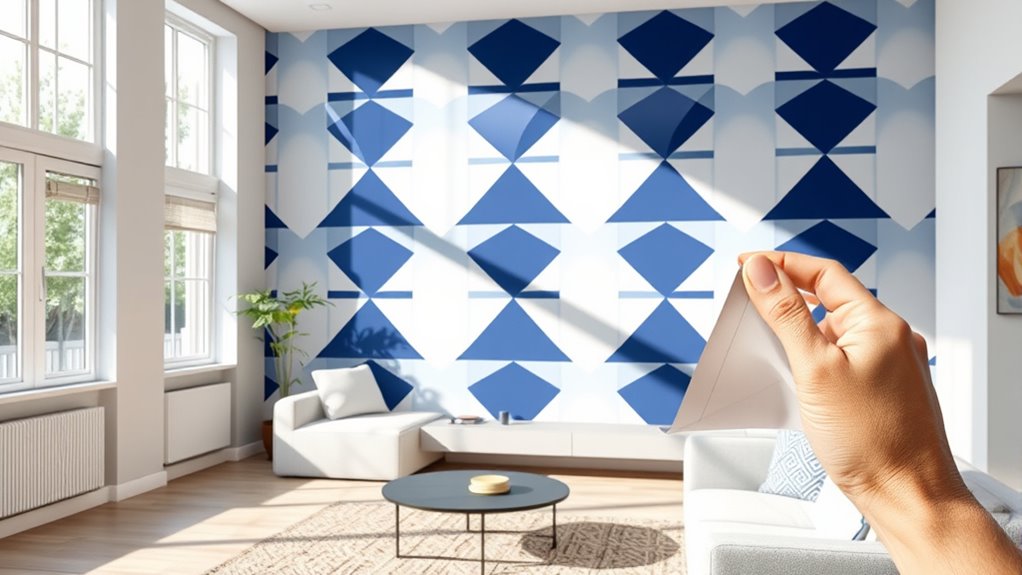
Are you tired of bland walls but worried about damaging them when you move out? Peel-and-stick wallpaper offers a fantastic solution, allowing you to personalize your space without the stress of permanent changes. One of the key factors to consider is wallpaper durability. You want something that sticks well, looks good, and can withstand minor bumps or temperature changes. Fortunately, peel-and-stick options today are more durable than ever, thanks to improved materials and adhesive technologies. High-quality wallpaper is designed to stay firmly in place, even in high-humidity areas like kitchens and bathrooms, but also easy enough to remove without leaving behind sticky residue or damaging the paint beneath. When choosing your wallpaper, pay attention to the product details about its durability, guaranteeing it’s built to last but also easy to peel away when it’s time to move.
Peel-and-stick wallpaper is durable, easy to remove, and perfect for renters wanting stylish walls without damage.
Speaking of adhesives, the type used in peel-and-stick wallpaper is essential. Unlike traditional wallpaper that requires messy pastes, peel-and-stick uses self-adhesive backing, which simplifies the application process. Most modern options utilize a pressure-sensitive adhesive that activates with firm smoothing and contact with the wall. Some adhesives are repositionable, giving you room to adjust placement without tearing or losing stickiness, while others are more permanent once pressed down. It’s vital to select an adhesive type suitable for your specific wall surface—smooth, textured, or painted drywall. Repositionable adhesives are perfect for renters because they offer flexibility; you can peel and reposition the wallpaper during installation, ensuring a perfect alignment. When it’s time to remove, these adhesives tend to come off cleanly, minimizing damage and residue.
Additionally, understanding the adhesive technology used in peel-and-stick wallpaper can help you choose a product that aligns with your needs for durability and removability, especially in rental situations. However, not all adhesives are created equal. Some cheaper options might lose their stickiness over time or fail to stick properly from the start, leading to frustration. Check product reviews and manufacturer specifications to verify the adhesive’s strength and removability. The best peel-and-stick wallpapers feature adhesives that balance strong adhesion with easy removal; otherwise, you risk damage or a messy cleanup. Remember, the surface preparation can also influence the adhesive’s performance—clean, dry walls free of dust or grease ensure the adhesive bonds properly, extending the wallpaper’s lifespan and making removal easier later on.
In essence, understanding wallpaper durability and the types of adhesives used helps you select the right peel-and-stick wallpaper for your rental. It’s all about finding a product that sticks securely, looks great, and peels away effortlessly when it’s time to move out. With the right choice, you can enjoy a personalized, stylish space without the worry of damaging walls or leaving behind sticky residue.
peel and stick wallpaper for renters
As an affiliate, we earn on qualifying purchases.
As an affiliate, we earn on qualifying purchases.
Frequently Asked Questions
Can Peel-And-Stick Wallpaper Be Used on Textured Walls?
Peel-and-stick wallpaper isn’t ideal for textured walls because wall texture compatibility can be an issue. To improve adhesion, you should prepare the surface properly by cleaning it thoroughly and smoothing out any bumps or grooves with a primer or a thin layer of joint compound. This surface preparation helps the wallpaper stick better and makes removal easier later. Keep in mind, the more textured the wall, the more challenging it may be to achieve a seamless look.
What Is the Best Way to Clean Peel-And-Stick Wallpaper?
You can clean peel-and-stick wallpaper effectively by using gentle cleaning techniques. First, prepare the surface with a soft, damp cloth to remove dust or dirt, avoiding harsh chemicals that might damage the adhesive. Lightly wipe the wallpaper with a mixture of mild soap and water, then dry with a clean cloth. Regular surface preparation and gentle cleaning help maintain the wallpaper’s appearance without peeling or damage.
How Long Does Peel-And-Stick Wallpaper Typically Last?
Peel-and-stick wallpaper typically lasts about 3 to 5 years, depending on factors like quality, application, and environmental conditions. If you follow proper installation and avoid excessive moisture or direct sunlight, you can maximize its durability lifespan. Keep in mind that lower-quality options may need replacing sooner, while high-quality wallpapers can sometimes last longer. Regular cleaning and gentle handling help extend its lifespan, ensuring your walls stay fresh and vibrant.
Is Peel-And-Stick Wallpaper Safe for All Wall Types?
You might find it surprising, but peel-and-stick wallpaper isn’t always perfect for every wall surface. It’s generally safe if your walls are smooth, like painted drywall, but textured or uneven surfaces can pose challenges. Check wall surface compatibility first, and consider the adhesive strength required—strong enough to stick but gentle enough to remove without damage. Testing a small area helps guarantee it works well with your specific wall type.
Can Peel-And-Stick Wallpaper Be Repositioned Multiple Times?
Yes, you can reposition peel-and-stick wallpaper multiple times, but it depends on the adhesive strength. To do this effectively, use gentle repositioning techniques, like slowly peeling it back and reapplying without stretching or tearing. Keep in mind, frequent repositioning may weaken the adhesive, so try to align it carefully the first time. If needed, consider using a light spray of water or repositionable adhesive spray to enhance reusability.
repositionable peel and stick wallpaper
As an affiliate, we earn on qualifying purchases.
As an affiliate, we earn on qualifying purchases.
Conclusion
With peel-and-stick wallpaper, you get the best of both worlds—style and simplicity. It lets you transform your space without the fear of damage, turning blank walls into personal statements. So go ahead, experiment, and express yourself—your rental’s canvas is waiting. Remember, with a little patience and the right tips, you can make your walls truly yours without the stress of permanent change. After all, your space should reflect you, not hold you back.
removable wall decals for rental apartments
As an affiliate, we earn on qualifying purchases.
As an affiliate, we earn on qualifying purchases.
damage-free wallpaper removal tools
As an affiliate, we earn on qualifying purchases.
As an affiliate, we earn on qualifying purchases.
Flea & tick season Picks
flea and tick prevention
As an affiliate, we earn on qualifying purchases.