TL;DR

Get furniture and decor delivered free — and shop member deals
- Fast, free delivery on millions of items
- Access to Prime Big Deal Days deals on October 6–7
- Prime Video, Amazon Music and more included
Online interest in insulating homes before winter — covering attics, pipes, windows and doors — has spiked in recent weeks. The guidance behind the trend is long-established energy-efficiency advice, but the specific trigger for the surge in searches is unconfirmed.
Interest in pre-winter home insulation — including attic insulation, pipe wrapping, window sealing and door draft proofing — has risen sharply in online searches and home-improvement coverage in recent weeks, according to available web metadata. The surge comes as households in colder regions prepare for heating season, a period when energy costs typically climb and heat loss becomes more visible. The specific trigger for this season’s spike has not been confirmed.
The trend centers on a familiar category of seasonal advice: checklists of ten common insulation and sealing tasks that homeowners are encouraged to complete before sustained cold arrives. Typical items on such lists include the attic and roof space, hot water pipes and the water heater, windows, exterior doors, rim joists in basements or crawl spaces, and gaps around ducts and wall penetrations.
This guidance is not new. Government energy agencies and utility efficiency programs in multiple countries have published similar seasonal checklists advice for years, and the underlying principles — reduce air leakage, add thermal resistance where heat escapes fastest, and protect plumbing from freezing — are long-established in building science. What has changed is the volume of attention: content tagged with home-insulation topics is circulating widely through aggregator feeds and search results in the weeks before winter.
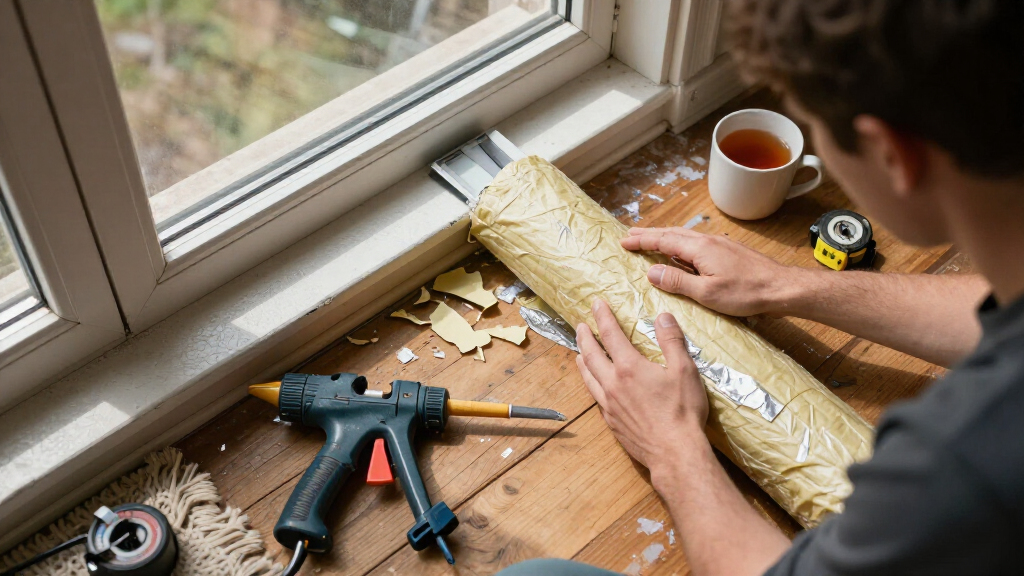
According to widely repeated advice in this content category, the attic is usually treated as the highest-priority target, because heated air rises and escapes through under-insulated roof spaces. Pipe insulation is typically framed as a freeze-prevention measure rather than an energy-saving one, and draft sealing around windows and doors is presented as a low-cost first step. These are standard recommendations; their relative priority for any specific house depends on its construction, age and condition.
Why Households Are Acting Before the Cold
Seasonal insulation work matters for two practical reasons. First, heating is typically one of the largest household energy expenses in cold-climate homes, and heat lost through poorly insulated attics, unsealed gaps and exposed plumbing translates directly into higher bills. Second, some risks are time-sensitive: uninsulated water pipes can freeze and burst during the first sustained cold snap, and repairs are far more disruptive and expensive than prevention.
The current interest spike also fits a broader pattern of households seeking do-it-yourself energy measures to manage winter costs. Whether this year’s surge reflects higher energy prices, colder forecasts, viral content, or a combination of factors is not established by the available data.
The Long-Standing Advice Behind the Lists
The core recommendations circulating now trace back decades. Energy agencies have long advised that attics, floors above unheated spaces, and hot water cylinders are among the most cost-effective places to add insulation, and that sealing air leaks around windows, doors and service penetrations should generally come before or alongside adding insulation material.
Common items on the circulating ten-point lists include: attic insulation and hatch sealing; hot water pipes and the water heater; windows (weatherstripping, film or heavy curtains); exterior doors (draft excluders and threshold seals); rim joists; ductwork in unheated spaces; garage doors attached to heated rooms; basement or crawlspace walls; recessed ceiling lights that leak air into the attic; and exterior faucets or hose bibs before the first freeze. This is standard seasonal advice rather than a new development in building practice.
What the Trend Data Does Not Show
Several things remain unclear. The trigger for the interest spike is unconfirmed — it is not established whether it stems from energy price concerns, weather forecasts, viral content, retail promotions, or ordinary seasonal search behavior. The scale of the increase relative to previous years is not quantified in the available metadata, so no percentage or year-over-year comparison can be reported. There is also no confirmed data on whether homeowners are actually completing the recommended work, as opposed to reading about it. Finally, generic checklists do not account for individual house conditions; what is suitable for one property may be inappropriate for another.
Before the First Freeze
As winter approaches, this type of seasonal content typically peaks in late autumn and then tapers once sustained cold arrives. Households planning work should prioritize freeze-sensitive tasks first — insulating exposed pipes and shutting off exterior faucets — since these carry a hard deadline at the first hard frost. Larger projects such as adding attic insulation or sealing rim joists can be done during winter but are easier to schedule before demand for contractors rises. For work involving gas appliances, structural changes, or roof access, homeowners should use licensed professionals and follow basic safety precautions such as shutting off power and water before starting any DIY task; local permit and building-code requirements still apply.
Key Questions
Why is insulation advice trending right now?
Search and coverage interest in pre-winter insulation has spiked as cold weather approaches. The advice itself is long-established; the specific trigger for this season’s surge has not been confirmed.
Which insulation task is usually highest priority?
Attic insulation is commonly listed first because heated air rises and escapes through under-insulated roof spaces. Pipe insulation is treated as urgent for a different reason: preventing freezing and bursts.
Can I do this work myself?
Many sealing and pipe-wrapping tasks are widely described as DIY-friendly. However, work involving gas appliances, electrical components, roofs, or structural changes should be done by licensed professionals, and local codes and permits still apply.
Is there evidence this trend reflects higher energy bills?
No. The available metadata confirms elevated interest but does not establish its cause. A link to energy prices, weather forecasts, or other factors remains unverified.
What happens if pipe insulation is delayed?
Uninsulated pipes in unheated spaces can freeze during sustained cold, risking bursts and water damage. This task carries the hardest seasonal deadline and is usually done before the first hard frost.
Source: rss
Fall Picks
fall essentials
As an affiliate, we earn on qualifying purchases.