TL;DR
Stylish indoor storage furniture blends function with aesthetics. Choosing the right pieces involves considering size, materials, and style, creating a clutter-free, beautiful space.
Imagine walking into a room where clutter is nowhere to be seen, yet every piece of storage looks like a deliberate part of the decor. That’s the magic of stylish indoor storage furniture. It’s about more than just hiding stuff; it’s about making your home feel cohesive, inviting, and effortlessly organized.
If you’re tired of storage solutions that look like afterthoughts, this guide will show you how to choose furniture that’s both practical and eye-catching. From sleek cabinets to clever multifunctional pieces, you’ll learn what makes storage furniture truly work in your space—and how to style it for maximum impact.
Measure your space carefully before choosing storage furniture to avoid fitting issues.
Mix open and closed storage to balance display with clutter concealment.
Choose materials and construction that match your environment’s demands for longevity.
Style your storage with color, grouping, and accessories to blend it into your decor.
Prioritize safety features like anchoring, especially for tall or narrow units.
How to Pick Storage Furniture That Looks Great and Works Hard
Choosing the right storage furniture isn’t just about capacity. It’s about finding pieces that fit your space, match your style, and serve your needs. Think of it as a puzzle—each piece must fit perfectly without overwhelming the room.
Start by measuring your space carefully. For example, a narrow hallway might need a slim shoe cabinet, while a living room might call for a large sideboard. Pay attention to door swings, walkways, and nearby furniture to avoid creating obstacles.
Next, consider the function. Are you storing books, electronics, or clothes? Drawers work well for small items, open shelves for display, and cabinets to hide clutter. For instance, a living room might benefit from a media console with hidden compartments for wires and devices.
Materials matter, too. Solid wood feels warm and durable but can be heavy and pricey. Veneered plywood offers a sleek look at a lower weight and cost. MDF is great for painted finishes but less resistant to moisture. Choose based on your environment and budget.
Finally, think about style longevity. Simple silhouettes with neutral finishes tend to age better. Replaceable hardware allows you to update the look over time without replacing the entire piece.
Understanding these factors ensures that your furniture not only serves your immediate needs but also remains a stylish, functional part of your home for years. It’s about balancing practicality with aesthetic appeal, choosing pieces that won’t quickly go out of style, and that can adapt as your needs evolve.
As an affiliate, we earn on qualifying purchases.
Compare Popular Storage Furniture Types for Your Home
| Type | Best For | Size & Style | Pros & Cons |
|---|---|---|---|
| Sideboards & Buffets | Dining rooms, living rooms | Wide, low, often with drawers or cabinets | Stylish, spacious; can be bulky and heavy |
| Display Cabinets | Show off collectibles or glassware | Glass-fronted, elegant | Dust protection, needs regular cleaning |
| Bookcases & Shelving | Libraries, offices, living rooms | Vertical, open or closed | Flexible, easy to style; open shelves need tidying |
| Storage Benches & Ottomans | Entryways, bedrooms | Upholstered or wooden, compact | Multifunctional, cozy; limited capacity |
| Entryway Cabinets & Hall Trees | Organizing shoes, coats | Tall, narrow, often with hooks and drawers | Keeps clutter out of sight; can be narrow |
Each type offers unique benefits. Your choice depends on what you need to store, how much space you have, and your style preferences. For example, a sleek media console can hide cords while adding a modern touch, whereas a vintage sideboard brings warmth and character to a dining area.
Understanding the implications of each type helps you prioritize what matters most—whether it’s maximizing storage, enhancing aesthetics, or maintaining flexibility. For instance, open shelving provides easy access and a display opportunity but can lead to visual clutter if not styled carefully. Conversely, closed cabinets hide everything but may require more effort to access frequently used items. The tradeoff is balancing accessibility with a tidy appearance, ensuring your space functions efficiently without sacrificing style.
As an affiliate, we earn on qualifying purchases.
3 Tricks to Make Your Storage Look Like a Designed Part of the Room
Storage should serve your style, not clash with it. Here are three quick tricks to make your furniture feel intentional and beautiful.
- Match tones and finishes. Repeat a wood color or metal finish elsewhere in the room. If your coffee table has black metal legs, pick black hardware or accents for your storage pieces. This creates visual harmony and makes the furniture appear as part of a curated design rather than an afterthought.
- Balance open and closed storage. Use closed cabinets for a clean, uncluttered look and open shelves to display decorative objects or books. This contrast adds visual interest and prevents the space from feeling monotonous. For example, a combination of a closed media unit with open display shelves above can create a dynamic, balanced aesthetic that feels intentional.
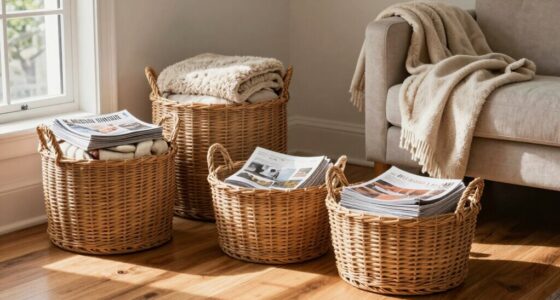
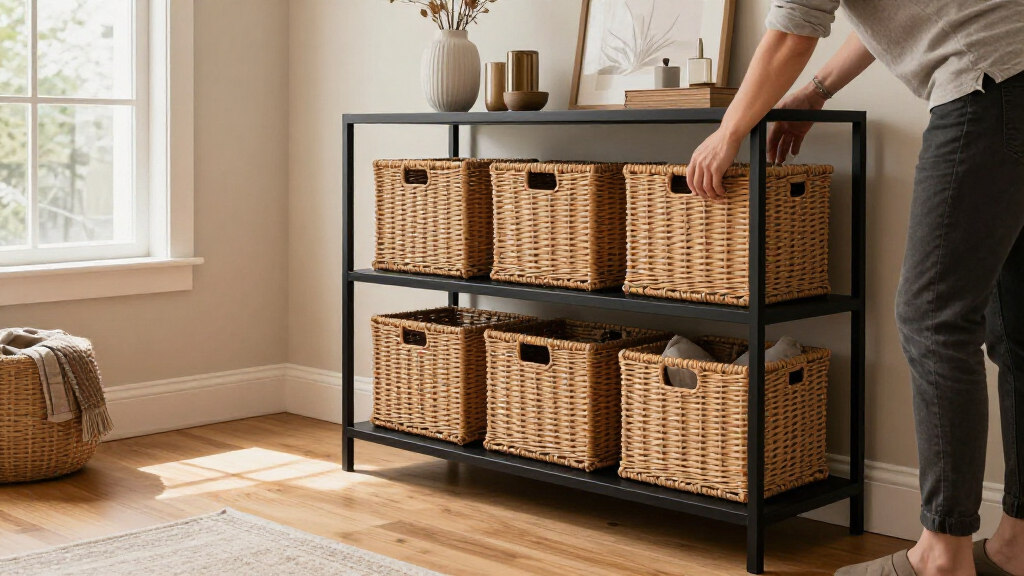
- Group objects thoughtfully. Arrange books, baskets, or décor in coordinated clusters, paying attention to color, size, and style. This curated approach makes storage look like a deliberate design choice rather than random clutter. When objects are grouped intentionally, they contribute to the overall room harmony and reinforce your interior style.
For instance, painting a storage bench in a soft hue that matches your wall color can unify the space, while placing decorative baskets in a consistent material adds texture and cohesion. Small details like these elevate the look from purely functional to beautifully integrated into your home’s aesthetic.
As an affiliate, we earn on qualifying purchases.
Avoid These 5 Common Mistakes When Buying Storage Furniture
Even the best-looking storage can turn into a clutter trap if you’re not careful. Here’s what to watch out for.
- Skipping measurements. Always measure doorways, hallways, and room dimensions before buying. A beautiful cabinet is useless if it won’t fit through the door or into the designated spot. Failure to do so can lead to frustration, additional costs, or the need to return or modify furniture, which disrupts your decorating timeline.
- Ignoring internal dimensions. Check the inside space carefully. A cabinet might look perfect externally but hold fewer items than you need. This oversight can result in underwhelming storage capacity, forcing you to buy additional pieces or leave clutter exposed.
- Underestimating weight. Heavy books or electronics can strain weak shelves or hinges. Choosing furniture with sturdy construction and appropriate load ratings ensures safety and longevity, preventing accidents or damage that could compromise your investment.
- Overlooking wall anchoring. Tall or narrow pieces should be anchored to prevent tipping, especially if you have kids or live in an earthquake zone. Proper anchoring enhances safety and prevents costly accidents, making your furniture both functional and secure.
- Choosing deep furniture for tight spaces. Deep cabinets can block walkways or make small rooms feel cramped. Measuring your space carefully and opting for shallower, taller designs can maximize room flow and functionality without sacrificing storage needs. This tradeoff ensures your room remains open and comfortable while still providing adequate storage.
For example, buying a large, ornate sideboard without verifying its dimensions can lead to an awkward fit, obstructing traffic flow or making the space feel cluttered. Taking the time to measure and consider these factors prevents costly mistakes and creates a more harmonious environment.
media console with hidden compartments
As an affiliate, we earn on qualifying purchases.
As an affiliate, we earn on qualifying purchases.
Your Questions About Stylish Storage Answered
What’s the best storage for a small room? Tall, shallow cabinets or wall-mounted units maximize vertical space and keep the floor clear, making the room feel larger. Think of a slim bookcase or a compact shoe cabinet—these solutions utilize often underused wall space and prevent overcrowding, which is crucial in tight quarters.
Open or closed—what works better? Closed storage keeps clutter out of sight, creating a tidy appearance that makes a small space feel more expansive. Open shelves invite display and personality but can lead to visual clutter if not styled carefully. Combining both allows you to maintain a clean look while showcasing decorative items, balancing practicality with aesthetics.
How deep should storage furniture be? For books or small objects, 12-15 inches deep is usually sufficient, providing enough space without overwhelming the room. Larger items like electronics or dishes may require 18-24 inches. Measuring your typical items first ensures your furniture accommodates your needs without wasting space or creating awkward gaps.
Can furniture make a room look bigger? Yes. Using light colors, raised legs, and wall-mounted pieces creates an airy feel. Avoid heavy, bulky furniture that can dominate the space. Instead, opt for streamlined designs that lift off the floor and allow light to flow freely, enhancing the sense of openness and making the room appear larger than it is.
What materials last the longest? Solid wood and high-quality plywood are durable and easy to repair if needed. Metal, especially when finished properly, offers strength and longevity. Consider your environment—moisture-prone areas benefit from moisture-resistant finishes, and heavy-use spaces require sturdy construction to withstand daily wear without deterioration.
These insights help you make smarter choices tailored to your space and style, ensuring your storage solutions remain functional and beautiful over time.
Conclusion
Smart storage isn’t just about hiding clutter—it’s about creating a space that feels curated and cohesive. With the right pieces, you turn chaos into calm and give your home a fresh, stylish edge.
Next time you shop, think beyond capacity. Focus on how each piece complements your home’s vibe, and remember: the best storage solutions are the ones you love to look at every day.