TL;DR
A rising trend in Sydney sees multimillionaires purchasing neighboring properties, altering neighborhood compositions. This pattern is gaining attention amid broader housing concerns, but specific details remain unconfirmed.
Multiple reports indicate that wealthy residents in Sydney are increasingly purchasing their neighbors’ homes, a pattern that is drawing attention for its potential impact on local communities and housing markets. While confirmed details about the scale of this trend are limited, the practice appears to be growing among the city’s affluent class, raising questions about neighborhood dynamics and property values.
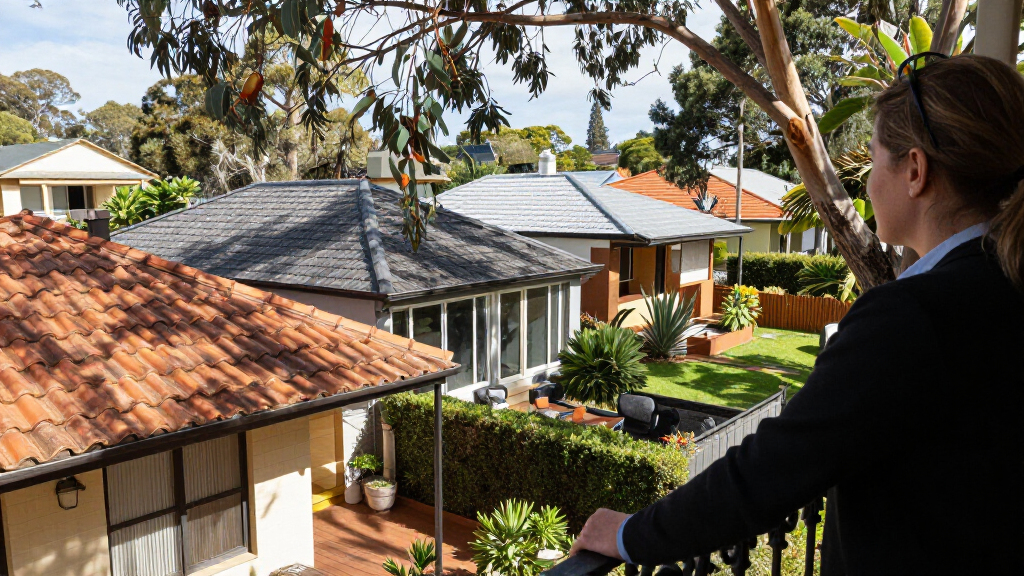
According to recent coverage by SMH.com.au, a noticeable number of Sydney’s multimillionaires are buying adjacent properties, often to expand their land holdings or secure exclusive neighborhoods. This pattern is particularly evident in affluent suburbs where property prices are high and land scarcity drives investment. Experts suggest that these purchases are motivated by a desire for privacy, prestige, and long-term wealth preservation, although concrete data on the total volume of such transactions remains unavailable.
Real estate agents and local observers note that these acquisitions often involve multimillion-dollar sums, with some homeowners selling multiple properties to the same buyer over a short period. The trend appears to be driven partly by the limited availability of large parcels of land in prime areas, prompting wealthy buyers to consolidate properties to create larger estates or secure their neighborhood’s exclusivity.
However, critics warn that this practice could contribute to increased property prices, making it even more difficult for average residents to afford homes in these areas. Community groups have expressed concern over potential impacts on neighborhood diversity and social cohesion, though there is no official data yet linking these purchases to broader housing affordability issues.
Implications for Sydney’s Housing Market and Communities
This trend of multimillionaires buying neighboring homes could significantly influence Sydney’s housing market by driving up property prices and reducing available land for other buyers. It may also alter the social fabric of neighborhoods, potentially leading to more homogeneous, wealthier enclaves. For local residents, especially those on limited incomes, such developments could exacerbate affordability challenges and reshape community dynamics.
Furthermore, this pattern underscores ongoing concerns about housing inequality and the concentration of wealth in Sydney. While the trend is not officially confirmed as widespread, its visibility raises questions about the future of neighborhood diversity and the impact of private wealth on urban development.
As an affiliate, we earn on qualifying purchases.
Sydney’s Housing Market and Wealth Concentration
Sydney has long been one of Australia’s most expensive cities, with property prices among the highest nationally. Over recent years, the city has experienced a surge in property values, driven by low interest rates, foreign investment, and limited land supply in prime areas. This environment has fostered a market where wealthy buyers often seek to consolidate land holdings for privacy and prestige.
The trend of purchasing adjacent homes among the wealthy is not entirely new but appears to be gaining momentum, especially as property prices continue to climb. Historically, affluent residents have used land purchases to expand estates or secure their neighborhood’s exclusivity, but recent reports suggest an increase in this behavior, possibly linked to broader economic and social shifts.
While data on the exact number of such transactions remains scarce, real estate experts note that the practice is becoming more visible, particularly in affluent suburbs like Point Piper, Bellevue Hill, and Mosman. These areas are known for their high land values and limited availability of large parcels.
As an affiliate, we earn on qualifying purchases.
Extent and Motivations of the Buying Trend Still Unclear
It is not yet confirmed how widespread this practice is across Sydney or whether it represents a temporary trend or a long-term shift. The motivations behind these purchases—whether for privacy, investment, or other reasons—remain largely speculative, with no official data to substantiate specific claims. Experts caution that the trend might be more visible in certain suburbs but may not be representative of the broader housing market.
As an affiliate, we earn on qualifying purchases.
Monitoring Market Changes and Community Impact
Real estate analysts and urban planners will likely continue observing this pattern to determine its scope and implications. Authorities may examine whether such property consolidations influence housing affordability or contribute to urban inequality. Future reports could include data on transaction volumes and demographic shifts, providing clearer insights into this emerging trend.
Community groups and policymakers may also respond by discussing regulations or initiatives aimed at maintaining neighborhood diversity and managing land use in high-value areas. For now, the trend remains a developing story, with ongoing developments to watch.
luxury property management software
As an affiliate, we earn on qualifying purchases.
As an affiliate, we earn on qualifying purchases.
Key Questions
Why are wealthy homeowners buying their neighbors’ houses?
According to real estate experts, the primary motivations include maintaining neighborhood exclusivity, increasing land holdings for privacy or investment, and preserving property value in high-demand areas.
Is this trend common across all Sydney suburbs?
No, it appears to be concentrated in affluent neighborhoods with high land values, such as Point Piper, Bellevue Hill, and Mosman. Its prevalence in other areas remains unconfirmed.
Could this practice affect housing affordability?
Potentially, yes. Critics warn that consolidating properties among the wealthy could drive up prices and make it harder for average residents to afford homes in these neighborhoods.
Are authorities investigating this trend?
There is no indication that government agencies are actively investigating these purchases. The pattern is currently emerging as a market and community observation rather than a formal inquiry.
What might happen next in this story?
Real estate data collection and analysis are expected to clarify the scope of this trend. Community and policy responses could follow if concerns about affordability and neighborhood diversity increase.
Source: local