
TL;DR
Designers and dealers say handmade textile wall art is gaining attention as a way to add warmth, texture and personal character to contemporary interiors. The trend is developing alongside renewed public interest in tapestries, including the Bayeux Tapestry’s exhibition at the British Museum; its long-term scale and commercial impact are not established.
Handmade textile wall art is drawing fresh attention from interior designers, galleries and home buyers, who are using tapestries to bring warmth, texture and individual character to modern rooms. The interest is unfolding as the Bayeux Tapestry is displayed at the British Museum in an exhibition scheduled to run through July 11, 2027, though the available accounts do not establish how much the show has contributed to demand for contemporary work.

Get furniture and decor delivered free with Prime
- Fast, free delivery on millions of items
- Prime Video, Amazon Music and more included
- Member-only deals all year
Design consultancy and collectible-design shop FELT says textile wall hangings fit a wider revival in craft-led interiors. Co-founder Tintin Macdonald describes them as a natural extension of interest in handmade design. Fellow co-founder Francesca Wilson says artists are revisiting historical styles and techniques to make work suited to contemporary spaces.
The pieces vary in subject and method. Artists draw on traditions that include Ghanaian Fante Asafo flags and the modernist textiles of Anni Albers. American artist Andrew Pierce Scott builds scenes of shared meals from fabric offcuts, while Oscar Crabb cuts, dyes and sews pieces by hand, using second-hand cloth and plant-based pigments including indigo, madder and weld. The source describes these materials and processes as producing surfaces that differ from one piece to another.
At East London gallery Spazio Leone, founder and curator Gennaro Leone recently presented textile works by Yumo Yuan, a Central Saint Martins alumnus. Yuan’s designs use motifs such as roosters, fish and chrysanthemums, drawing on Chinese embroidered silk panels and their auspicious associations. The account also points to Swedish textile artist Liv Enqvist, whose repeated hand-stitching is presented as a response to the pace of everyday life.
Tapestries bring warmth and character home
Designers and galleries report renewed interest in handmade textile wall art. It adds texture and visible craft to contemporary rooms, though the trend’s scale remains unclear.
Why textiles suit modern rooms
Soft surfaces and visible handwork bring material warmth and a personal touch.
Warm up hard finishes
A textile adds softness where a room is dominated by hard surfaces.
Show the maker’s hand
Uneven stitches, frayed edges and irregular color can be part of a piece’s appeal.
Bring history into view
Contemporary artists draw on textile traditions while making work for modern spaces.
Materials and methods vary
The works described draw on different sources, techniques and visual traditions.
Choose a place for the piece
Scale and placement shape how a large hanging works in a room.
Designers cite the space above a bed, sofa or fireplace.
Allow enough space for the textile to be appreciated.
Consider how its scale and character relate to the rest of the interior.
Interest is reported, not measured
Design businesses and a gallery describe renewed attention to textile art, but the available account does not quantify demand.
- Designers and galleries report renewed interest.
- Makers are revisiting historical techniques for contemporary interiors.
- Market size, sales totals and pace of growth.
- Whether the Bayeux exhibition affects purchases.
Why Textile Art Fits Modern Rooms
Tapestries are being presented not only as decoration but as a way to change how a room feels. Their soft surfaces and visible construction can add material warmth to interiors otherwise dominated by hard finishes and mass-produced objects. A handmade piece can also make a room feel more specific to its occupants, a quality Leone says buyers seek.
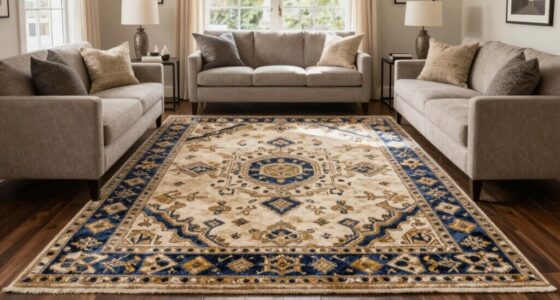
That appeal comes with practical design choices. A large hanging can become the main focus of a wall, so its scale and placement affect the room around it. Leone advises giving textiles enough space to be appreciated while keeping them connected to the rest of the interior. Macdonald says FELT sometimes uses one large textile instead of a salon-style arrangement of many smaller works, particularly above a bed, sofa or fireplace. These are professional perspectives, not evidence that every buyer or home will benefit in the same way.
The trend also gives makers’ labor and materials a visible place in domestic spaces. Uneven stitches, frayed edges and irregular color are described as part of the work’s character rather than defects to be concealed. For readers considering a piece, the change is less about copying a period interior and more about choosing an artwork whose process, texture and scale suit a particular room.
Products Worth Considering

Levoit Core 300S-P Smart WiFi Air Purifier

Shark PowerPro Reveal Plus Cordless Stick Vacuum, Charcoal, IZ376H

Dyson HushJet Compact Air Purifier, White/Silver
As an affiliate, we earn on qualifying purchases.
From Insulation to Wall Art
The source places today’s renewed interest against a much longer history. Tapestries served as narrative artworks and, in cold buildings, as wall coverings that helped limit drafts. With modern heating, their role in homes has shifted toward decoration and artistic expression, while their storytelling traditions continue to inform contemporary designs.
The Bayeux Tapestry provides a high-profile point of reference. The approximately 70-metre-long and 50-centimetre-high work depicts events leading up to the Norman conquest of England and the Battle of Hastings. The source says it was stitched nearly a thousand years ago, likely in or around Canterbury, and that its current British Museum exhibition marks its first return to England since it left the country. The exhibition’s presence coincides with the design conversation, but no visitor figures or sales data are supplied to quantify any effect on the homewares market.
“Many of the contemporary artists we work with at FELT are investigating the historical roots of particular styles and remaking them to create something that feels fresh and relevant for contemporary interiors.”
— Francesca Wilson, FELT co-founder
How Broad Is the Demand?
The source documents observations from design businesses and a gallery, but does not provide sales totals, market research or buyer surveys. The size of the trend, its pace and whether it extends beyond specialist design circles remain unclear. It also does not show whether the British Museum exhibition has driven interest in contemporary tapestries or whether the two developments are simply occurring at the same time.
There is no single style or price range identified for the works discussed. The account does not give typical costs, availability, care requirements or information about how long individual pieces take to make. Those details will vary by maker and object, so prospective buyers would need to check them with the artist, gallery or seller.
Exhibition and Gallery Milestones
The clearest upcoming milestone is the Bayeux Tapestry exhibition’s scheduled run at the British Museum through July 11, 2027. That gives visitors an extended opportunity to see the historic work in London, but the source reports no future attendance forecasts or confirmed plans linking the exhibition to new design commissions.
For contemporary work, the source identifies no specific forthcoming launch or market announcement. The next signs to watch are whether galleries continue to stage textile-focused exhibitions and whether designers report wider uptake beyond the clients and makers they currently serve. Until sales or broader survey data emerge, the evidence supports a reported revival in interest, not a measured market boom.
Key Questions
What is driving renewed interest in tapestries for homes?
Designers and dealers cited in the source point to interest in craft, visible handwork, texture and individuality. The account does not quantify demand or identify one cause.
How are contemporary textile hangings different from traditional tapestries?
The works described use varied techniques and references, including fabric offcuts, second-hand cloth, plant-based dyes and hand-stitching. They draw on older textile traditions but are made in formats and styles intended for contemporary interiors.
Where do designers suggest placing a large textile?
FELT co-founder Tintin Macdonald says clients often look to cover the wall above a bed, sofa or fireplace. Spazio Leone’s Gennaro Leone recommends giving a textile enough space to be seen while making it feel connected to the room.
Is the Bayeux Tapestry exhibition causing the home-design trend?
The available information does not establish a direct link. The exhibition and reported interest in contemporary textile art coincide, but no data are provided on its effect on purchases or design choices.
Source: livingetc.com