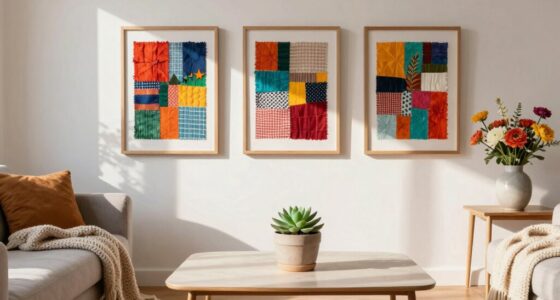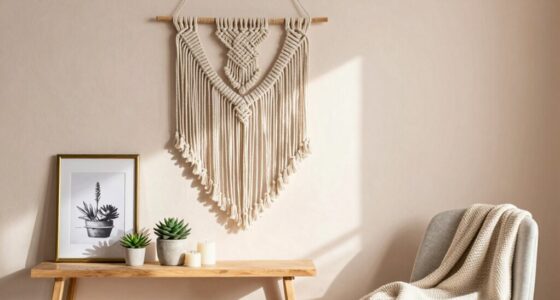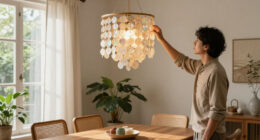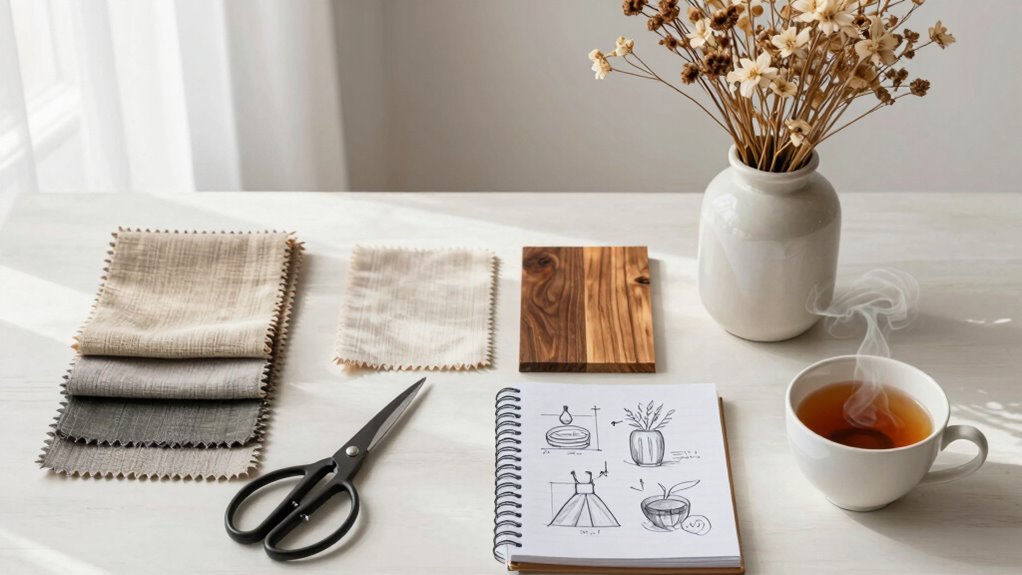
To create a mood board for your next room refresh, start by gathering visuals that inspire you. Collect images, materials, and color palettes that evoke the emotions you want. Mix textures by pairing soft fabrics with sleek surfaces for depth. Explore various lighting options to highlight different areas. Finally, identify a decor theme that reflects your personality and lifestyle. Keep experimenting, and you’ll discover even more tips to elevate your space.

Get furniture and decor delivered free — and shop member deals
- Fast, free delivery on millions of items
- Access to Prime Big Deal Days deals on October 6–7
- Prime Video, Amazon Music and more included
Key Takeaways
- Gather inspiration by collecting images, color palettes, and materials that resonate with your desired emotional atmosphere for the room.
- Experiment with textures by pairing soft fabrics with hard surfaces to add depth and visual interest to your mood board.
- Explore various lighting styles, noting how different options can transform the mood and functionality of your space.
- Identify a clear decor theme that reflects your personality, streamlining your design decisions and enhancing your room’s aesthetic.
- Plan your furniture layout thoughtfully, ensuring it accommodates movement and functionality while maintaining visual appeal.
When you’re ready to refresh your room, creating a mood board can be an inspiring first step. It’s a visual representation of your ideas, and it helps you clarify what you want. Start by gathering materials that resonate with you. Think about color palettes that evoke the emotions you want in your space. Whether it’s calming blues or vibrant oranges, choose shades that speak to you. Don’t hesitate to experiment; you might find unexpected combinations that spark new ideas.
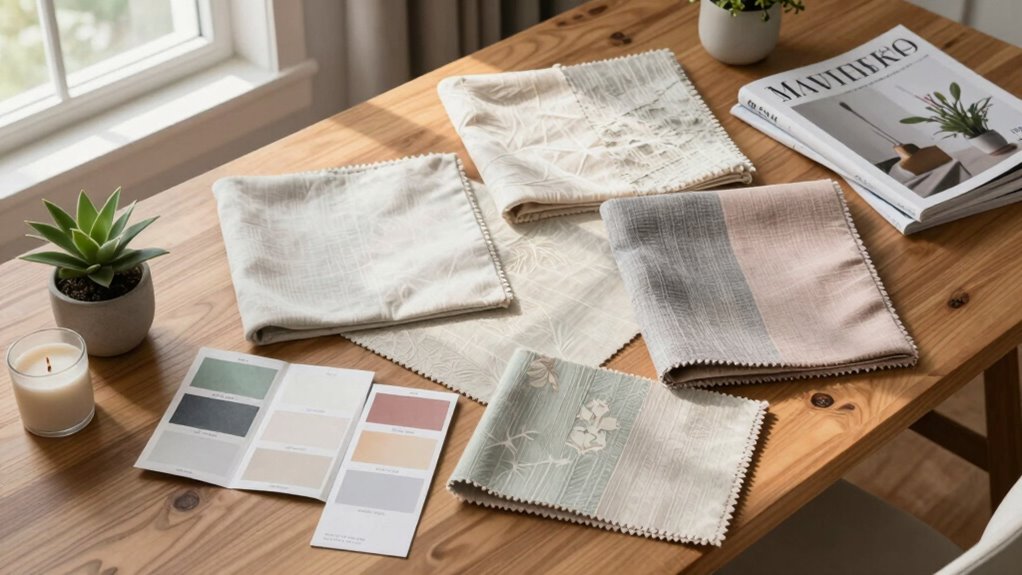
Next, explore texture combinations. Mixing soft fabrics with hard surfaces can create a dynamic look. Reflect on how a plush throw might contrast with a sleek coffee table. This interplay of textures adds depth and interest to your room. As you collect images, contemplate various furniture styles. Do you lean toward modern minimalism, rustic charm, or perhaps something eclectic? Pin down a few key pieces that can serve as focal points for your design.
Explore the interplay of textures by mixing soft fabrics with hard surfaces to create a dynamic and inviting space.
Lighting options are just as important. Look for images that showcase different styles, from warm, ambient lighting to bold statement fixtures. Lighting can transform the mood of a room, so think about how you want each area to feel. You might want softer lights for a cozy reading nook and bright, focused lighting for workspaces. This variation will guide your decisions as you start to plan.
Delve into decor themes that resonate with your personal inspiration. Whether you’re drawn to bohemian vibes or a more industrial aesthetic, having a clear theme helps streamline your choices. As you gather visuals, reflect on how they reflect your personality and lifestyle. This is your space, after all, and it should feel authentic to you. Incorporating home improvement concepts can also help you plan practical updates that enhance your space’s functionality.
Space planning is another vital aspect to examine while creating your mood board. Think about the layout and how you want to arrange your furniture. Visualize how people will move through the room and interact with the space. This planning will help you make informed decisions about what to include. Considering the functional needs of your space can ensure it’s both beautiful and practical.
Finally, don’t forget about artistic influences. Whether you’re inspired by a favorite artist or a particular art movement, let that guide your choices. Incorporate elements that resonate with those influences into your mood board. By the time you finish, you’ll have a clear vision of your refreshed room, ready to bring it to life.
As an affiliate, we earn on qualifying purchases.
Frequently Asked Questions
How Do I Choose a Color Palette for My Mood Board?
To choose a color palette for your mood board, start by considering color psychology—different colors evoke specific emotions. Think about the vibe you want to create; for instance, blues can be calming, while yellows might energize. Next, look at trending colors for inspiration; these can give your space a fresh feel. Don’t hesitate to mix shades and tones that resonate with you, ensuring the palette reflects your personal style and desired atmosphere.
What Tools Can I Use to Create a Digital Mood Board?
You can use various software options like Canva, Adobe Spark, or Milanote for your digital mood board. These tools offer great layout techniques and let you curate images easily. Explore inspiration sources like Pinterest or Unsplash to find visuals that resonate with your style. For collaboration, consider tools like Trello or Google Slides, allowing you to share and refine your ideas with others, making the process more interactive and engaging.
Can I Mix Different Design Styles in My Mood Board?
Absolutely, you can mix different design styles in your mood board! Think of it like a symphony, where diverse instruments create harmony and balance. By blending design style combinations, you’ll discover unique aesthetics that reflect your personality. Just be mindful of how each element interacts; too much contrast can disrupt the flow. With a little experimentation, your space can resonate with a cohesive vibe that feels both fresh and inviting.
How Do I Incorporate Personal Items Into My Mood Board?
To incorporate personal items into your mood board, start by selecting pieces that hold sentimental value or personal significance. These could be photos, mementos, or small keepsakes that reflect your experiences. Arrange them alongside color swatches and textures that inspire you, creating a cohesive look that tells your story. Remember, these personal touches will make your mood board uniquely yours, setting the tone for the space you want to refresh.
What Should I Do if My Mood Board Feels Cluttered?
If your mood board feels cluttered, start by simplifying elements. Remove any items that don’t resonate with your vision or add unnecessary noise. Focus on achieving visual balance by grouping similar colors or themes together. You can also use larger images to anchor your board and create breathing space. Don’t hesitate to swap out pieces until it feels cohesive and reflects your style clearly. Trust your instincts and keep refining!
As an affiliate, we earn on qualifying purchases.
Conclusion
As you wrap up your mood board journey, remember it’s the spark that ignites your room’s transformation. Let those colors, textures, and inspirations swirl together like a vibrant dance, guiding your vision. Each element whispers its story, waiting to breathe life into your space. Embrace the magic of creation, and watch as your dreams materialize, turning your room into an oasis that echoes your unique spirit. Now, go ahead and let your imagination run wild!
lighting fixtures for living room
As an affiliate, we earn on qualifying purchases.
As an affiliate, we earn on qualifying purchases.
As an affiliate, we earn on qualifying purchases.
Halloween Picks
halloween
As an affiliate, we earn on qualifying purchases.