TL;DR
Interior experts say cosy-maxxing—using warm lighting, soft furnishings and personal touches to make a home feel inviting—may become less practical when it reduces light, adds clutter, restricts movement or coincides with reduced motivation. Their suggestions include balancing ambient lighting with task lighting, keeping walkways clear and allowing daylight into rooms. The source offers expert guidance, not clinical evidence about health effects.
Interior experts say cosy-maxxing may affect how a home functions when decorating choices interfere with lighting, movement, everyday tasks or motivation. The four signs they identify are rooms that are too dim, decor that creates clutter, furniture that blocks natural walkways, and an environment that coincides with feeling stagnant or less inclined to go out.

Get furniture and decor delivered free with Prime
- Fast, free delivery on millions of items
- Prime Video, Amazon Music and more included
- Member-only deals all year
The term describes decorating choices intended to make rooms feel comfortable and snug, including layered lighting, soft furnishings, rich textures and personal touches. Victoria Robinson, a trend expert at window-covering company Hillarys, said there can be a “tipping point” when those choices stop serving the people who live in the space. Matthew Currington, a lighting expert at The Lighting Superstore, said the aim should be to balance comfort with functionality.
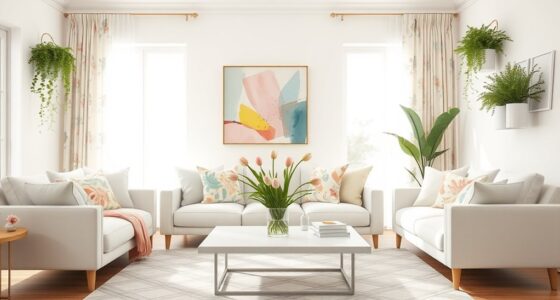
The first sign is sacrificing practical lighting for a permanently dim, atmospheric look. Andrew White, a home and garden expert at Harbour Lifestyle, said bulbs that are too dim or warm can make a room feel gloomy. Experts recommend having light suited to tasks as well as softer ambient options, and opening curtains or blinds to let in daylight. A room need not rely on a single overhead light, but residents should be able to see clearly when reading, working or moving around.
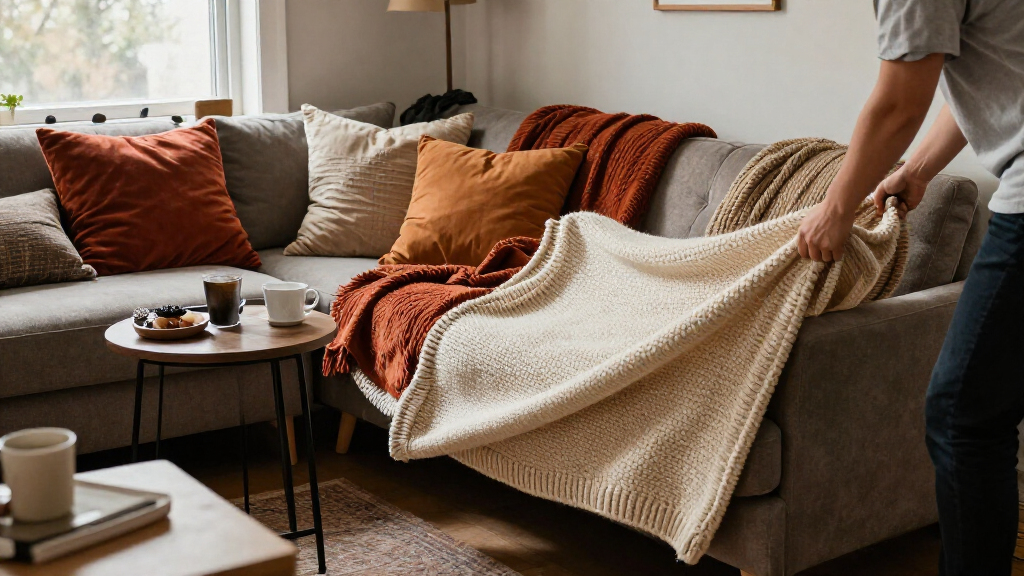
The other signs concern how a room works day to day. Excess throws, cushions, candles and decorative items can make a home feel cluttered and harder to clean. Bulky furniture can interrupt walkways or force residents to move pieces just to use the room. The fourth sign is feeling more stagnant or unmotivated: Currington said a home arranged around staying in can make it harder for some people to find motivation to go out, exercise or maintain routines. These are expert observations, not a diagnosis or proof that decor causes changes in health.
When cosy-maxxing gets in the way
A cosy home should still support daily life. Interior experts identify four signs that comfort may be affecting how a room works.
Four signs to check
Notice whether your space remains comfortable and practical for everyday activities.
Rooms feel too dim
Low, warm lighting can make it harder to read, work or move around. Balance soft ambient light with task lighting and daylight.
Decor crowds the room
Throws, cushions and decorative items can make rooms harder to clean and use.
Walkways are blocked
Bulky furniture can interrupt natural routes or make everyday use awkward.
You feel less motivated
A stay-at-home atmosphere may coincide with feeling stagnant or less inclined to go out.
Make the room work better
Try practical adjustments before buying more furnishings.
Use task lighting where needed and open curtains or blinds to let in daylight when practical.
Move items that make walkways or daily activities cumbersome.
Rearrange existing furniture and store decor that gets in the way.
What the advice can tell you
- Spot obstacles to everyday tasks.
- Review lighting, clutter and room layout.
- That decor causes low mood or inactivity.
- A universal threshold for brightness or clutter.
When Comfort Affects Function
The advice addresses how decorating choices may affect a home’s use. A room that is difficult to navigate or too dark for routine activities can create practical obstacles. Clear routes through a room, usable surfaces and appropriate lighting can support everyday tasks as well as the room’s appearance.
The experts also discuss the home environment in relation to people’s routines during winter, when they may spend more time indoors. Their comments do not establish that cosy decor causes low mood or inactivity. They suggest reviewing whether a room is making ordinary activities more difficult. Rearranging the space may improve its usability; persistent or serious wellbeing concerns may require support beyond interior design.
Products Worth Considering

Sony 65 Inch BRAVIA 3 LED 4K HDR Smart Google TV (K-65S30)

Dyson Car+Boat Cordless Handheld Vacuum

eufy Security eufyCam C37 4-Camera Kit with 360° Pan and Tilt, Auto Tracking, 2K Video, and Solar Panels
As an affiliate, we earn on qualifying purchases.
The Four Signs Experts Identify
The guidance focuses on four practical checks. First, assess whether there is enough light for the room’s uses, including task lighting and daylight rather than relying only on low, warm lamps. Second, look for decor that has accumulated beyond what is useful: if throws must be moved before sitting down or baskets and footstools obstruct everyday activities, the room may be overfilled.
Third, consider the layout. White recommends noticing whether larger pieces leave natural walkways and suggests taking a photograph to judge the room’s proportions from a different perspective. Rearranging existing furniture may solve the problem without replacing pieces. Fourth, consider whether the room’s stay-at-home atmosphere coincides with a drop in activity or social plans. Currington suggests decluttering, dusting, opening window coverings and briefly opening windows to air the home. These are general household suggestions; ventilation needs and safe window use depend on the home and conditions.
“Cosy-maxxing is essentially the art of creating spaces you genuinely want to spend time in, whether that’s through layered lighting, soft furnishings, rich textures or personal touches. But like any design trend, there can be a tipping point.”
— Victoria Robinson, trend expert at Hillarys
What the Advice Cannot Establish
The source provides expert design opinions and practical suggestions, not research measuring how often cosy-maxxing causes problems or proving that decor changes affect health. It does not define a threshold for too many cushions, a specific brightness level for every room, or a standard layout that suits all homes. Space, household needs, accessibility and personal preferences vary.
It is also unclear whether the reported feelings of sluggishness or reduced motivation are caused by a home’s design, seasonal conditions, other circumstances or a combination. The recommendations should not be treated as medical advice. Persistent changes in mood, energy or social behaviour cannot be assessed from a room’s appearance alone.
Practical Checks for the Season
The recommendations amount to a review of how rooms function: check that task areas are adequately lit, open blinds or curtains during the day when practical, clear objects from walkways, and remove or store furnishings that make daily use cumbersome. Before buying more decor or furniture, try rearranging what is already there and consider whether each item improves comfort without taking away useful space.
Residents who notice ongoing problems with motivation or wellbeing should not assume that decluttering or changing lighting will resolve them. The source provides no scheduled follow-up, formal study or further announcement; its next step is for readers to assess whether their own rooms remain both inviting and functional.
Key Questions
What does cosy-maxxing mean?
Cosy-maxxing is an approach to home decor focused on creating a warm, comfortable atmosphere with choices such as layered lighting, soft furnishings, rich textures and personal items.
What are the four signs it may have gone too far?
The signs named by the experts are lighting that is too dim, clutter from excess decor, furniture that restricts movement, and feeling more stagnant or unmotivated while spending time at home.
Does cosy-maxxing cause low mood or inactivity?
The source does not establish a cause. An expert says a home focused on staying in may make it harder for some people to feel motivated to go out or exercise, but this is an observation, not clinical evidence.
How can I make a cosy room more practical?
Keep lighting suitable for tasks as well as atmosphere, let in daylight when possible, clear walkways and reduce furnishings that get in the way. Experts also suggest rearranging existing furniture before buying new pieces.
Source: idealhome.co.uk