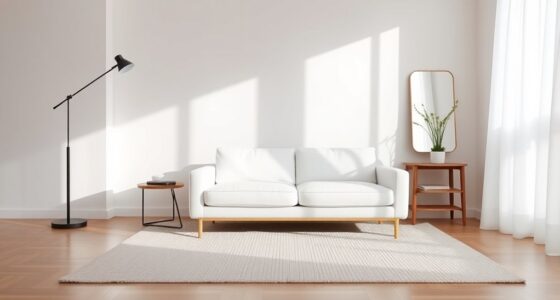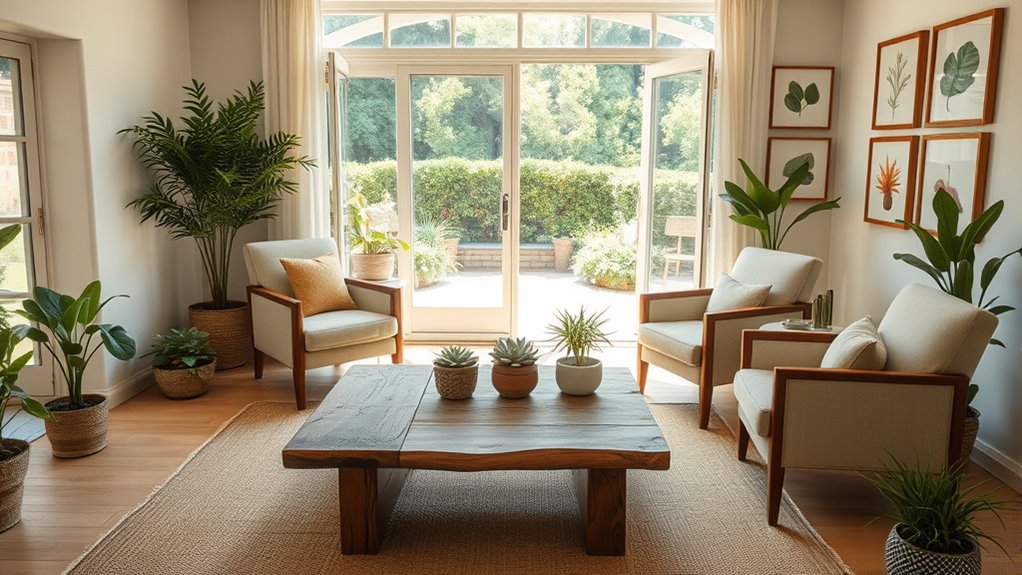

To create a stylish, eco-friendly home, focus on using reclaimed and upcycled materials for furniture and decor, supporting local artisans. Choose sustainable textiles like organic cotton and hemp, and incorporate natural elements such as indoor plants and green walls. Opt for eco-friendly paints, finishes, and energy-efficient LED lighting. Embrace minimalist, multi-functional designs to reduce clutter. Keep exploring to discover how to balance beauty and sustainability for a truly green, chic living space.
Key Takeaways
- Incorporate reclaimed, vintage, and handmade items to add character while reducing waste and supporting local artisans.
- Choose sustainable furniture and textiles made from responsibly sourced or recycled materials like FSC-certified wood and organic cotton.
- Use eco-friendly paints, natural finishes, and sealants to improve indoor air quality and maintain a healthy living environment.
- Implement energy-efficient LED lighting with smart controls and embrace minimalist, multi-functional furniture to maximize space and reduce resource use.
- Integrate natural elements such as indoor plants and sustainable planters to enhance aesthetics, air quality, and eco-conscious living.

Scotch Felt Pads 162 PCS Beige, Felt Furniture Pads for Protecting Hardwood Floors, Round, Assorted Sizes Value Pack, Self-Stick design, Protecting from nicks, dents and scratches (SP845-NA)
- Versatile Furniture Protection: Suitable for chairs, tables, lamps, and more
- Easy Self-Stick Installation: Peel and stick design for quick setup
- Protects Various Hard Surfaces: Safeguards hardwood, tile, laminate, vinyl
As an affiliate, we earn on qualifying purchases.
Incorporating Reclaimed and Upcycled Materials
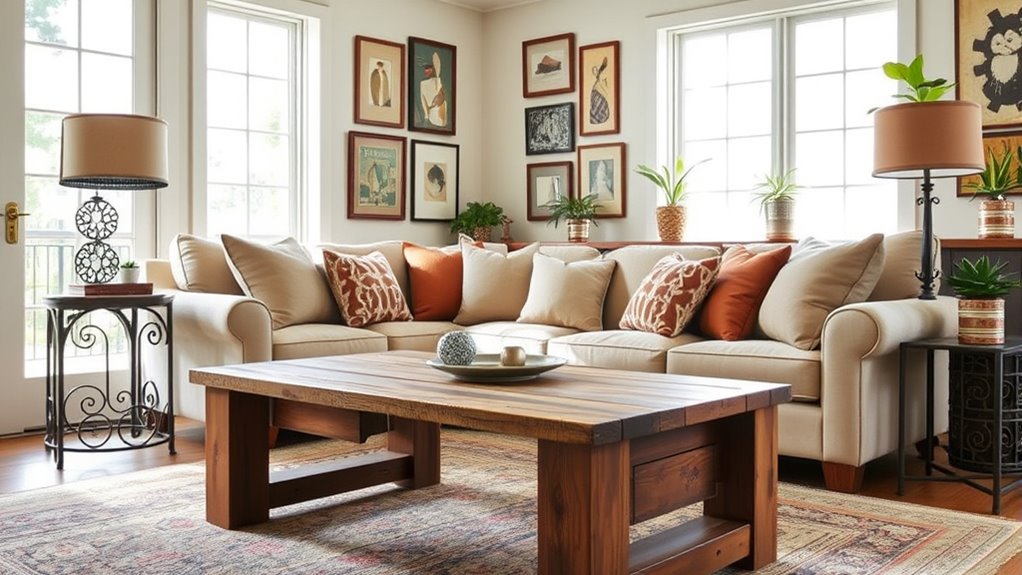
Using reclaimed and upcycled materials is a simple yet impactful way to make your home decor more eco-friendly. Incorporate vintage artifacts to add character and history, giving your space a unique charm that also reduces waste. Repurposed fixtures, like old pipes turned into lighting or vintage suitcases turned side tables, breathe new life into forgotten objects. These elements not only support sustainability but also create a distinctive aesthetic that reflects your personality. By choosing vintage artifacts and reusing fixtures, you cut down on new resource consumption and lessen environmental impact. Sustainable document management can also be integrated into your eco-conscious lifestyle, helping you organize and preserve your digital memories efficiently. Additionally, embracing smart home technology can optimize energy use and further reduce your carbon footprint, aligning with your eco-friendly goals. Incorporating renewable energy sources at home can significantly boost your sustainability efforts and lower energy bills. Plus, these items often come with stories, making your decor more meaningful. Integrating innovative European cloud servers into your home can also enhance energy efficiency and digital security, aligning with your eco-conscious lifestyle. Implementing energy-efficient appliances is another effective way to reduce overall energy consumption in your home. Small changes like these can notably contribute to a greener home without sacrificing style or originality.
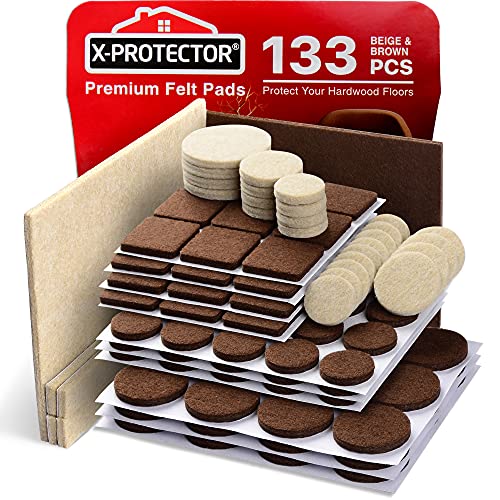
Felt Furniture Pads X-PROTECTOR 133 PCS Premium Furniture Pads - Felt Pads Furniture Feet Best Wood Floor Protectors - Protect Your Hardwood & Laminate Flooring! Brown and Beige
- Floor protection for various surfaces: Protects wood, laminate, and tile floors
- Includes two-pack for complete coverage: One brown and one beige pack
- Total 133 pieces for comprehensive protection: Includes different sizes for all furniture
As an affiliate, we earn on qualifying purchases.
Choosing Sustainable Furniture and Fixtures
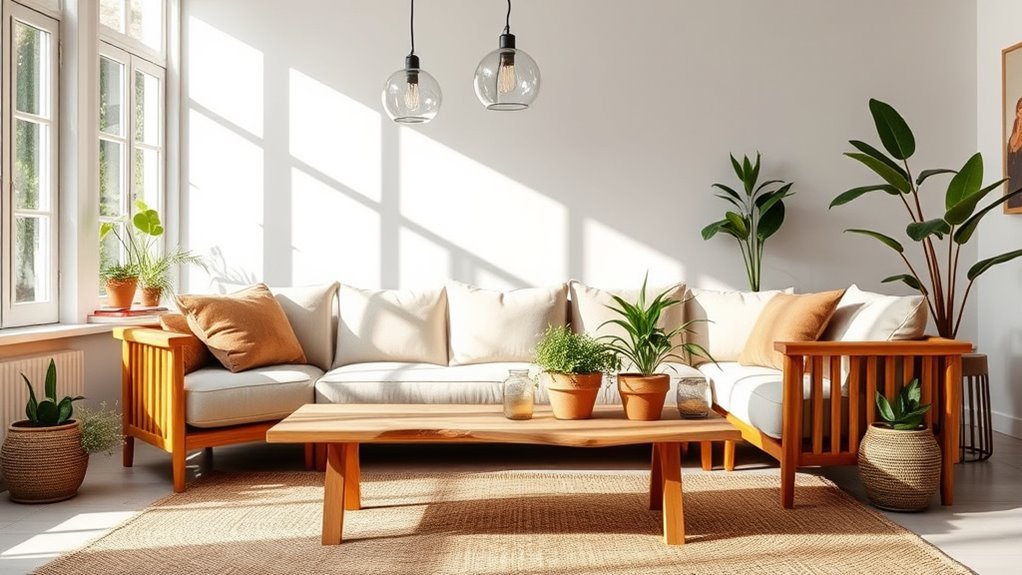
Building on the idea of repurposing vintage items, selecting sustainable furniture and fixtures allows you to enhance your home’s eco-friendliness while maintaining style. Look for pieces that blend vintage charm with modern minimalism—clean lines, simple designs, and timeless appeal. Choose furniture made from responsibly sourced or recycled materials, such as FSC-certified wood or reclaimed metal. Consider fixtures that are durable, energy-efficient, and built to last, reducing the need for frequent replacements. By prioritizing quality over quantity, you create a space that’s both stylish and sustainable. Incorporating energy-efficient fixtures further supports eco-friendly practices and adds warmth to your decor. Mixing vintage finds with sleek, minimal pieces adds character without clutter. This approach not only minimizes environmental impact but also creates a uniquely personalized, elegant home. Additionally, selecting pieces with sustainable materials ensures your decor aligns with environmentally conscious principles. Incorporating eco-friendly home decor options can further enhance your commitment to sustainability. Emphasizing durable and timeless design helps ensure your furnishings remain relevant and functional for years to come.

Scotch Felt Pads 32 PCS Beige, Felt Furniture Pads for Protecting Hardwood Floors, 1" Round, Easy-to-apply, Self-Stick design, Reliable protection from nicks, dents and scratches (SP802-NA)
- Suitable for various furniture: Protects furniture and décor
- Simple to install: Self-stick design for easy application
- Facilitates furniture movement: Felt material allows easy sliding
As an affiliate, we earn on qualifying purchases.
Using Eco-Friendly Paints and Finishes

Switching to low-VOC paints reduces harmful fumes and improves indoor air quality. You can also consider natural finish alternatives like beeswax or plant-based oils for a healthier look. Don’t forget eco-friendly sealants to protect your surfaces without compromising environmental values. Incorporating air quality improvements can further enhance your home’s health and sustainability. Additionally, choosing non-toxic coatings can help ensure your entire space remains safe and environmentally friendly. Selecting paints with high color accuracy can also contribute to a more vibrant and visually appealing environment, and utilizing techniques like auditory processing sound therapy can promote a calmer, more harmonious atmosphere in your home. Incorporating eco-conscious materials into your decor choices can amplify these benefits and support sustainable living.
Low-VOC Paint Options
Opting for low-VOC paints is one of the simplest ways to make your home decor more eco-friendly. These paints considerably reduce VOCs, helping you achieve better VOC reduction and improve indoor air quality. Unlike conventional paints, low-VOC options emit fewer harmful chemicals, making your living space safer for family members and pets. They come in a variety of colors and finishes, so you don’t have to sacrifice style for sustainability. When choosing low-VOC paints, look for certifications like Green Seal or GREENGUARD to ensure you’re selecting genuinely eco-friendly products. Applying these paints not only enhances your home’s aesthetic but also supports healthier indoor environments. Making the switch to low-VOC options is a simple, effective step toward a greener, more stylish home. Incorporating air purifier recommendations can further improve indoor air quality by removing residual pollutants and ensuring a healthier living space. Additionally, selecting paints with low-VOC emissions can further reduce overall chemical exposure in your home.
Natural Finish Alternatives
After choosing low-VOC paints, exploring natural finish alternatives lets you enhance your home’s look sustainably. You can highlight natural wood’s beauty with eco-friendly finishes like plant-based oils, beeswax, or water-based sealers. These options preserve unfinished surfaces’ raw texture and character without harmful chemicals, creating a warm, organic feel. Utilizing eco-friendly finishes not only benefits the environment but also ensures your home remains free of toxins. Using these finishes keeps your space free of toxins while showcasing natural wood’s authenticity. They’re perfect for maintaining an eco-conscious, stylish home.
Eco-Friendly Sealants
Eco-friendly sealants play a critical role in protecting your home’s surfaces while maintaining an environmentally conscious approach. Using biodegradable sealants ensures that your home’s materials stay safe without harming the planet, as these sealants break down naturally over time. VOC free sealants are another excellent choice, as they contain no volatile organic compounds that can release harmful fumes into your indoor air. By choosing these eco-friendly options, you create a healthier living environment and reduce your carbon footprint. Whether sealing wood, concrete, or drywall, these sealants provide durability without compromising sustainability. Incorporating biodegradable and VOC free sealants into your home’s finishing process not only enhances the longevity of your surfaces but also aligns with your green lifestyle and dedication to eco-conscious decor. Sustainable materials can also support sustainable foraging practices by reducing chemical runoff into local ecosystems. Selecting eco-friendly sealants with environmentally responsible ingredients further minimizes your home’s environmental impact and promotes healthier indoor air quality.

OPNICE Desk Organizer, 4-Tier Desktop File Organizer with Drawer and Pen Holders, Office Desk Accessories, File Sorters, Workspace Organizers for Office Supplies(Black)
- Multi-Functional Office Organizer: Includes 4 trays, file holder, pen holders, and drawer
- Easy No-Tool Setup: Quick assembly without tools in one minute
- Space-Saving Design: Optimizes workspace for increased productivity
As an affiliate, we earn on qualifying purchases.
Incorporating Natural Elements and Indoor Plants
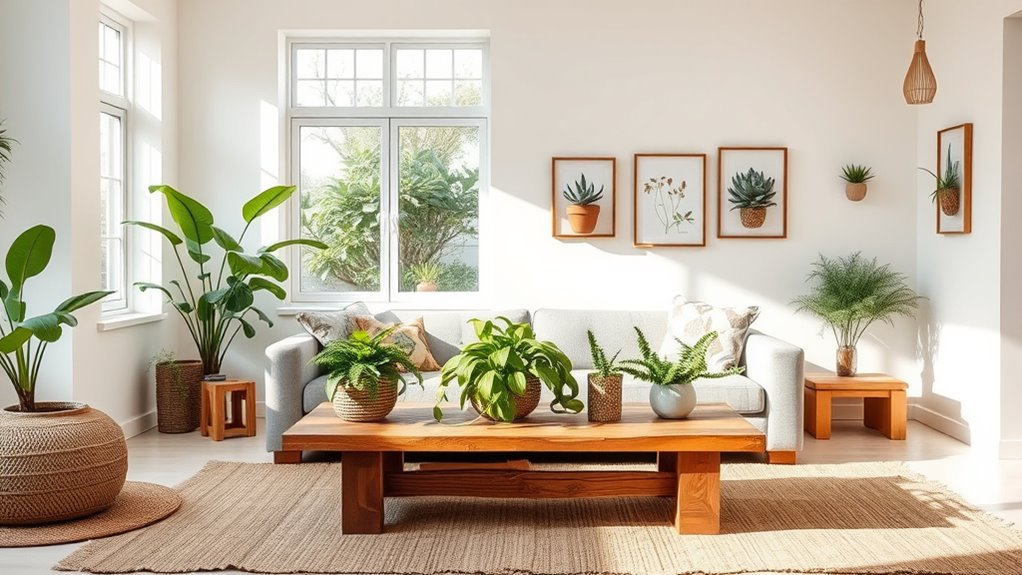
Bringing natural elements and indoor plants into your home instantly enhances its eco-friendliness and aesthetic appeal. Plants naturally improve indoor air quality by filtering toxins and releasing oxygen, creating a healthier environment. Incorporate a variety of greenery to add texture and color, such as succulents, ferns, or pothos. Position your plants where they can benefit from natural lighting—near windows or skylights—to promote growth and vigor. Besides boosting air quality, greenery can reduce stress and increase your well-being. Use sustainable planters made from recycled materials to keep your decor eco-friendly. Incorporating green-chemistry principles into your choice of materials and plant care can further minimize environmental impact. Being mindful of sustainable gardening practices can help you maintain a healthy and environmentally conscious indoor garden. Practicing biodiversity-friendly gardening by selecting native species can also support local ecosystems even within your home environment. By thoughtfully adding plants and natural elements, you create a vibrant, eco-conscious space that’s better for both your health and the planet.
Opting for Energy-Efficient Lighting Solutions
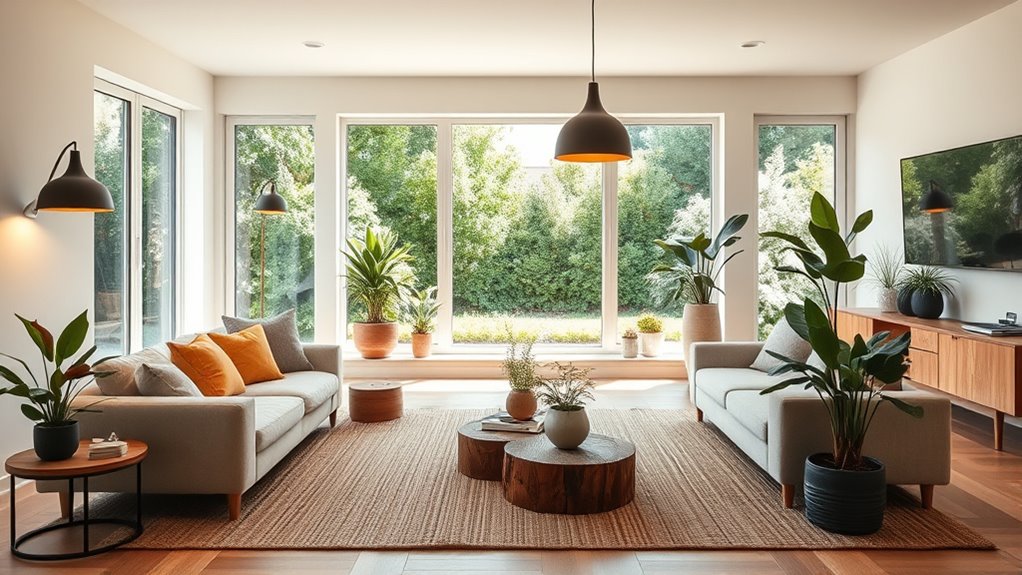
Switching to LED bulbs is a simple way to cut energy use without sacrificing brightness. Embracing smart controls lets you manage lighting efficiently and reduce waste. By making these choices, you’ll create a greener, more sustainable home.
Choosing LED Bulbs
Choosing LED bulbs is one of the simplest ways to reduce your home’s energy consumption. LED bulbs use markedly less power and last much longer than traditional bulbs, making them both eco-friendly and cost-effective. You can select from various bulb color options to create the perfect ambiance for each room, whether warm white for cozy spaces or cool white for work areas. When shopping, pay attention to LED longevity—long-lasting bulbs mean fewer replacements and less waste. Additionally, using LED bulbs can contribute to water conservation efforts indirectly by reducing overall energy demand and associated resource use. Here’s a quick comparison:
| Feature | Traditional Bulbs | LED Bulbs | Benefits |
|---|---|---|---|
| Energy Use | High | Low | Saves on electricity |
| Longevity | Short | Long | Fewer replacements |
| Color Options | Limited | Wide range | Customizable lighting atmosphere |
Switching to LED bulbs helps create a stylish, sustainable home effortlessly.
Embracing Smart Controls
Integrating smart controls into your lighting setup takes energy efficiency to the next level. With a smart home system, you can automate controls to turn lights on or off based on your schedule or occupancy, reducing unnecessary energy use. These automated controls guarantee lights are only active when needed, preventing waste. You can also adjust brightness levels remotely, saving even more energy. Smart lighting solutions often include motion sensors and timers that optimize usage without manual intervention. By embracing smart controls, you not only cut down on energy costs but also contribute to a greener environment. Plus, the convenience of managing your lighting from your phone or voice commands makes your home both stylish and sustainable. It’s a simple step toward a more eco-friendly lifestyle.
Decorating With Organic and Natural Textiles
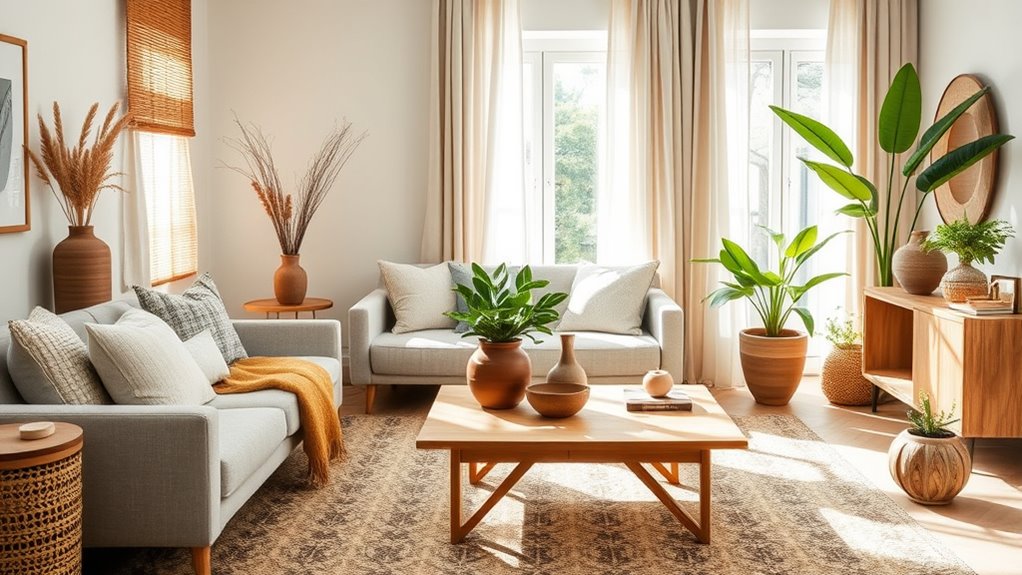
Have you ever considered how natural textiles can transform your home into a healthier, more sustainable space? Choosing organic cotton for your bedding and upholstery reduces exposure to harmful chemicals and supports eco-friendly farming practices. Hemp textiles are another excellent option, offering durability and breathability while requiring minimal water and pesticides. These natural fibers not only bring a soft, authentic feel to your decor but also improve indoor air quality. Incorporating organic and hemp textiles into cushions, curtains, or throws instantly adds a touch of eco-conscious elegance. By selecting these materials, you create a stylish environment that prioritizes sustainability without sacrificing comfort. Natural textiles are a simple yet impactful way to make your home more environmentally friendly and visually appealing.
Embracing Minimalism and Multi-Functional Design
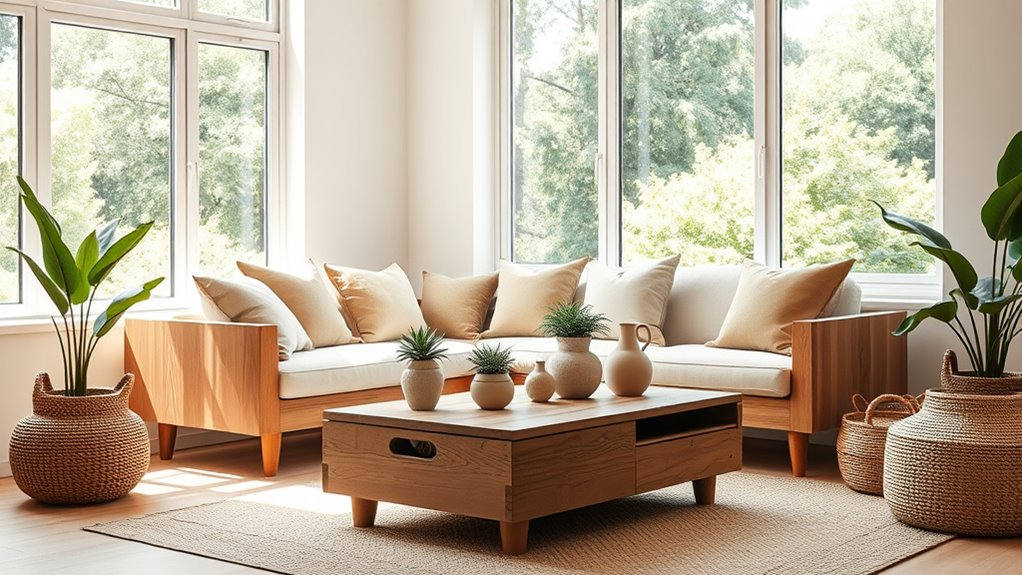
Ever wondered how embracing minimalism and multi-functional design can transform your living space? By choosing space-saving furniture, you optimize every inch without cluttering your home. Multi-functional pieces like fold-out sofas, extendable tables, or beds with storage help you maximize functionality while maintaining a clean, streamlined look. This approach encourages clutter-free aesthetics, making your space feel larger and more organized. When you reduce excess items and focus on essential, versatile furniture, your home becomes a calm, sustainable environment. Minimalism isn’t about deprivation; it’s about intentional choices that promote efficiency and beauty. As a result, your space becomes easier to maintain, more eco-friendly, and visually appealing—a perfect harmony of style and sustainability.
Creating a Green Wall or Vertical Garden
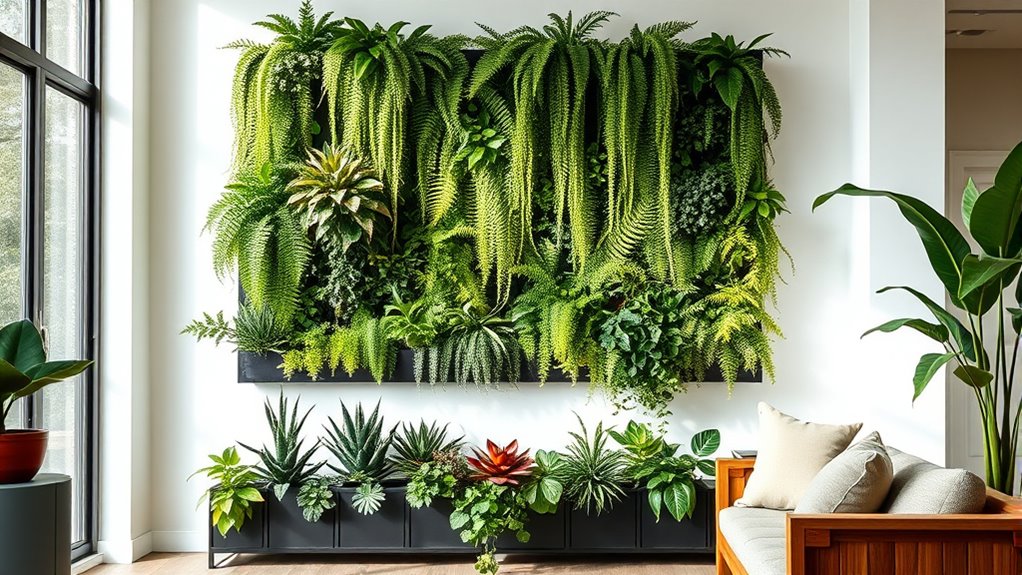
Building on the idea of creating a clutter-free, sustainable home, a green wall or vertical garden offers a stunning way to bring nature indoors. It transforms blank walls into living art, turning botanical art into a focal point. This setup supports urban farming by allowing you to grow herbs, vegetables, and small plants vertically, maximizing limited space. You can choose modular panels or DIY solutions to customize your garden’s design. Not only does this improve air quality, but it also adds a calming, natural aesthetic to your home. As you care for your plants, you foster a deeper connection with nature and promote eco-friendly living. A vertical garden makes sustainable chic achievable, blending beauty with functionality in your stylish, green home.
Supporting Local and Artisanal Crafts
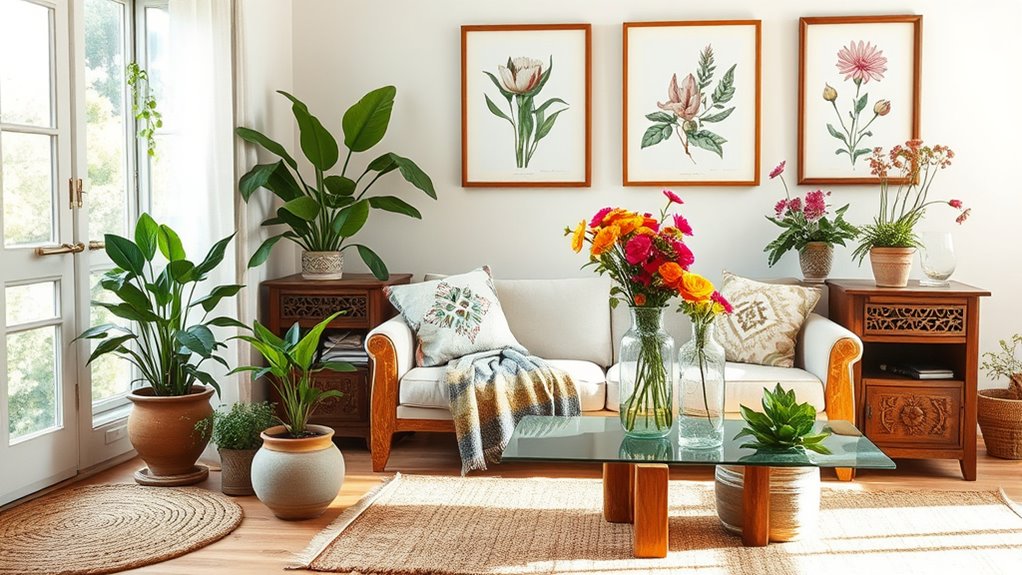
Supporting local and artisanal crafts allows you to enrich your home with unique, handcrafted pieces that reflect community talent and sustainable practices. By choosing items from local artisans, you not only support small businesses but also reduce the carbon footprint associated with mass production and shipping. Handmade crafts often use eco-friendly materials and traditional techniques, ensuring authenticity and durability. Incorporate these authentic touches into your decor, whether it’s a handwoven rug, pottery, or artwork. These pieces add character and a sense of connection to your space, making your home more meaningful. Plus, supporting local artisans helps preserve cultural heritage and promotes sustainable craftsmanship. When you select handmade crafts, you’re creating a stylish, eco-conscious environment that celebrates craftsmanship and community.
Frequently Asked Questions
How Can I Verify the Sustainability Claims of Home Decor Brands?
To verify the sustainability claims of home decor brands, you should look for certification standards like FSC, Green Seal, or B Corp that validate eco-friendly practices. Additionally, prioritize brands that demonstrate transparency by openly sharing their sourcing, manufacturing processes, and environmental impact. Don’t hesitate to ask questions or research reviews to guarantee their claims are genuine, helping you make truly eco-conscious choices for your home.
Are There Eco-Friendly Options for Outdoor Patio and Garden Furniture?
Yes, you can find eco-friendly outdoor patio and garden furniture made from reclaimed wood and recycled metals. Look for brands that prioritize sustainable sourcing and transparent materials. Reclaimed wood adds rustic charm while reducing deforestation, and recycled metals minimize mining impacts. By choosing these options, you support eco-conscious practices and create a stylish, green outdoor space that’s both durable and environmentally friendly.
What Are the Best Low-Voc or Zero-Voc Paints for Indoor Use?
Imagine repainting your living room with zero-VOC paint, like Benjamin Moore’s Natura. These paints are designed for VOC reduction and contain eco-friendly pigments, ensuring your indoor air stays fresh. They’re free from harmful chemicals, ideal for sensitive spaces. You can confidently choose low-VOC or zero-VOC options, knowing you’re creating a healthier environment while maintaining style and sustainability in your home.
How Can I Incorporate Sustainable Decor Into a Small or Rented Space?
You can easily incorporate sustainable decor into your small or rented space by choosing portable decor that’s lightweight and easy to move. Opt for rental-friendly materials like removable wallpaper, biodegradable planters, or bamboo furniture that won’t damage walls or floors. Incorporate eco-friendly textiles, such as organic cotton or hemp, and focus on upcycling or thrifted finds to create a stylish, green home without permanent changes.
What Maintenance Is Required to Keep Natural and Organic Textiles Looking Their Best?
Natural and organic textiles demand gentle care, yet they stay vibrant with simple routines. You should regularly vacuum or gently shake them to prevent dust buildup, and promptly treat stains to keep them looking fresh. Use mild, eco-friendly cleaners and avoid harsh chemicals. Consistent stain prevention and careful cleaning routines preserve their texture and color, ensuring your eco-friendly decor maintains its beauty and longevity effortlessly.
Conclusion
Ready to transform your home into a stylish, eco-friendly sanctuary? By choosing reclaimed materials, natural elements, and energy-efficient solutions, you can create a space that’s both beautiful and sustainable. Why settle for ordinary when you can make a positive impact on the planet while expressing your unique style? Start small, think green, and watch your home become a reflection of your commitment to a better world. Are you ready to embrace sustainable chic?