
TL;DR
A Hunker report highlights picket tile as a kitchen backsplash alternative to rectangular subway tile. Its elongated, pointed shape creates a distinct pattern, while color, finish, orientation and grout choices allow homeowners to adjust how prominent it looks.
Picket tile, with elongated sides and pointed ends inspired by traditional fence stakes, offers homeowners a geometric alternative to rectangular subway tile for kitchen backsplashes, according to a design report from Hunker. The report describes the shape as distinctive without necessarily dominating a kitchen, and outlines ways to customize it through color, finish, orientation and grout.

Get furniture and decor delivered free with Prime
- Fast, free delivery on millions of items
- Prime Video, Amazon Music and more included
- Member-only deals all year
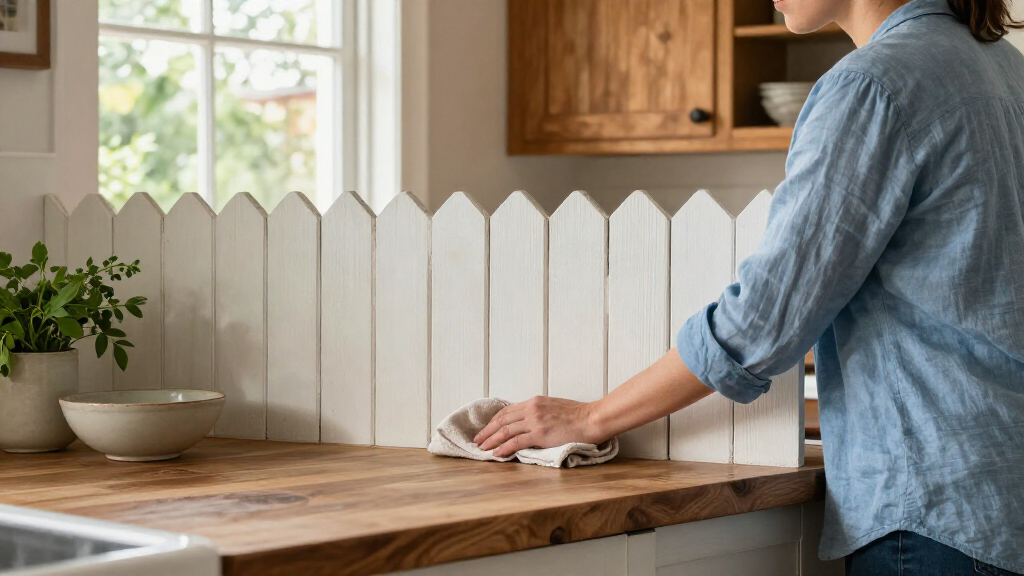
Picket tiles have a hexagonal outline, but their sides are longer and their ends come to points. Those angled ends set them apart from standard rectangular subway tiles and create a more pronounced pattern on the wall. Hunker’s report says the shape can signal a deliberate design choice while remaining subtle enough to share attention with features such as countertops, kitchen islands and pendant lights.
The look is not limited to a single arrangement or finish. Picket tiles can be installed horizontally or vertically, and the report also identifies braided picket layouts as an option for a more intricate, art-like effect. White tiles can evoke the familiar subway-tile palette, while colors such as blue and sage green offer a more noticeable departure.
Finish and grout also affect the result. Hunker says glossy tile reflects more light, which may help brighten a kitchen, while matte tile has a softer appearance and may show smudges less. Contrasting grout emphasizes the tile’s outline; grout close in color to the tile produces a more unified, restrained appearance. These are design considerations, not a guarantee of how a particular product will perform in a specific kitchen.
A New Shape Without a Bold Overhaul
For people planning a kitchen renovation, a backsplash has two roles: it protects the wall behind areas such as the sink and stove, and it contributes to the room’s appearance. Picket tile offers a way to change the pattern without moving to an unusually elaborate material or abandoning a familiar tile-based backsplash. Its pointed profile can make a wall feel more considered than a basic rectangular layout, while a neutral color or matching grout can keep the effect relatively quiet.
The range of layout and finish choices also means the same tile shape can serve different design priorities. A vertical installation or contrasting grout draws attention to the geometry; a horizontal layout and similar-colored grout make the pattern less pronounced. That flexibility can help homeowners coordinate the backsplash with other kitchen elements rather than choosing a pattern in isolation. The source report does not provide pricing, durability comparisons or installation guidance, so those factors still need to be checked for the specific tile and project.
Products Worth Considering

Ring Alarm 5-Piece Home Security Kit

Levoit Vital 100S-P Air Purifier with Washable Pre-Filter

Ring Alarm 8-Piece Home Security System Kit
As an affiliate, we earn on qualifying purchases.
How Picket Tile Differs From Subway Tile
Subway tile is typically rectangular, and the source report characterizes plain versions as a familiar, sometimes builder-grade-looking choice. Picket tile retains an orderly, repeating tile pattern but changes the outline: its elongated sides and pointed ends create more angular joints and a different visual rhythm. The comparison is about shape and appearance; the report does not claim that picket tile is newer, more durable or less expensive.
Hunker frames the option for homeowners who want a distinct geometric backsplash without making it the room’s sole focal point. Its suggestions focus on choices made within the picket-tile design—orientation, color, surface finish and grout—rather than on a particular brand, product line or renovation project. The article supplies no product testing or independent performance data.
“Picket tile might be the perfect solution for those who want to introduce a distinct geometric pattern to their kitchen without going too far overboard.”
— Hunker design report
Project Costs and Performance Are Unspecified
The supplied report is focused on design and does not identify a specific tile manufacturer or product, give prices, or compare picket and subway tile for durability, cleaning or installation difficulty. It also does not name a particular kitchen style or establish that picket tile is a leading trend. Those details depend on the material, product specifications and the conditions of an individual renovation.
The report’s comments about light reflection and hiding smudges are general design observations, not measured results for a particular finish. Homeowners would need to review product information and care instructions before making a purchase. No renovation project, retailer announcement or industry-wide change is reported; the development is a design recommendation.
Compare Samples Before Choosing a Layout
The next steps are practical rather than tied to a reported industry event: homeowners considering the look can compare tile samples, finishes and grout colors in their own kitchen lighting, then decide whether a horizontal, vertical or braided layout suits the space. They should confirm the tile’s specifications, cleaning requirements, price and installation needs with the supplier or installer before committing to a backsplash plan.
Key Questions
What is picket tile?
Picket tile has an elongated hexagonal shape with straight sides and pointed ends, resembling the outline of a traditional fence stake. Those points distinguish it from rectangular subway tile.
Can picket tile be installed vertically?
Yes. The Hunker report describes both horizontal and vertical orientations, as well as braided arrangements. The effect depends on the chosen tile and layout.
Which picket-tile finish should I choose?
The report says glossy finishes reflect more light, while matte finishes have a softer look and may hide smudges more effectively. Check the care guidance for the specific product before deciding.
How does grout change the backsplash?
Contrasting grout makes the tile outlines and geometry stand out. Grout close to the tile’s color creates a more cohesive, understated appearance.
Does picket tile cost more than subway tile?
The source report gives no price comparison. Costs will depend on the particular tile, project and installation, so homeowners should request product and labor estimates.
Source: hunker.com