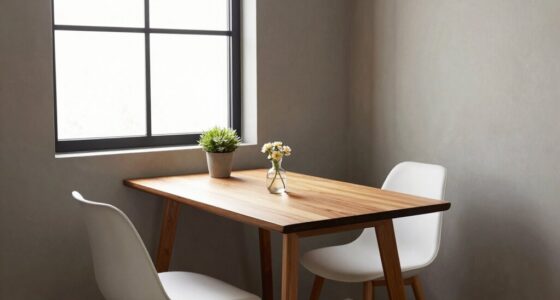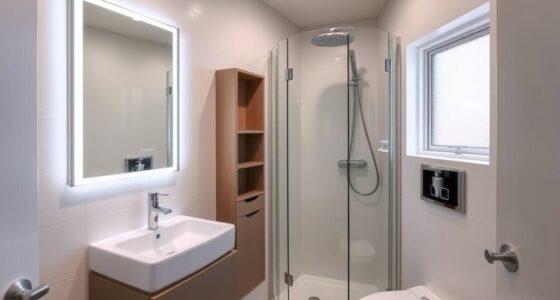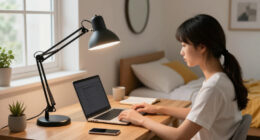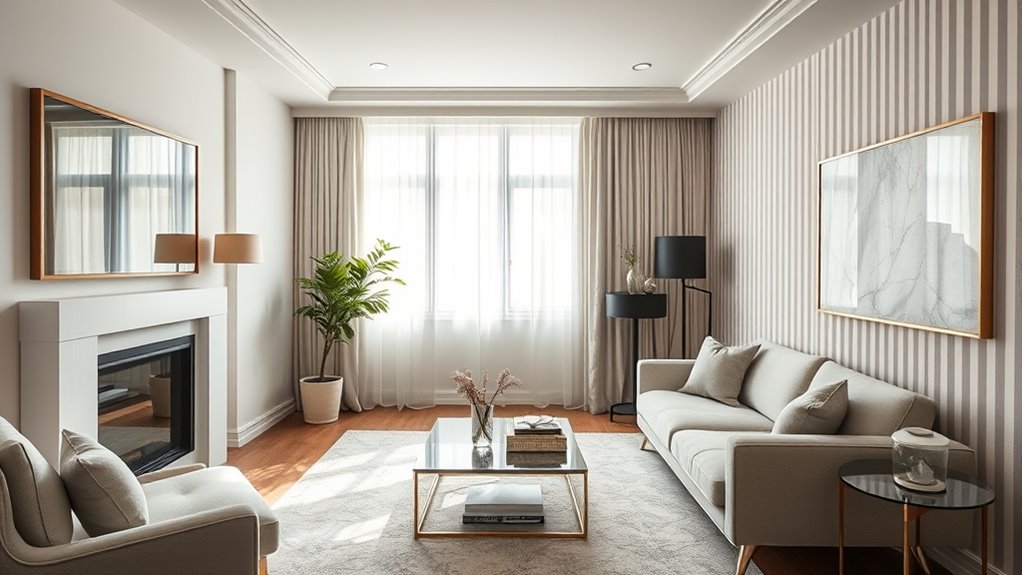

To make your small room feel larger, focus on using light, neutral colors and maximizing vertical space with tall furniture. Incorporate mirrors to reflect light and add depth, and choose multi-functional, compact pieces to save space. Keep clutter at bay with smart storage solutions, and opt for transparent or open-design furniture to enhance openness. Highlight focal points and create visual depth to draw the eye inward—and if you keep exploring, you’ll discover even more effective tricks.
Key Takeaways
- Use light, neutral colors and strategic lighting to reflect more light and create an airy atmosphere.
- Maximize vertical space with tall shelves, wall-mounted storage, and multi-functional furniture.
- Incorporate mirrors and transparent furniture to reflect light and enhance the sense of openness.
- Reduce clutter with hidden storage solutions and multi-purpose furniture to maintain a clean, spacious look.
- Create visual depth with focal points, layered textures, and strategic lighting to make the room appear larger.

TUTOTAK Bookshelf, 6-Tier Tall Book Shelf, Narrow Bookcase for Small Space, DIY Stackable Bookshelf, for Living Room, Office, Study, Entryway, Industrial, Rustic Brown BS01BB006
- Versatile 1 or 2 End Tables: Includes parts for bookshelf or end tables
- Ample Storage Space: Large 6-tier shelves for books and decor
- Compact and Lightweight: Fits small spaces and easy to move
As an affiliate, we earn on qualifying purchases.
As an affiliate, we earn on qualifying purchases.
Use Light and Neutral Color Palettes
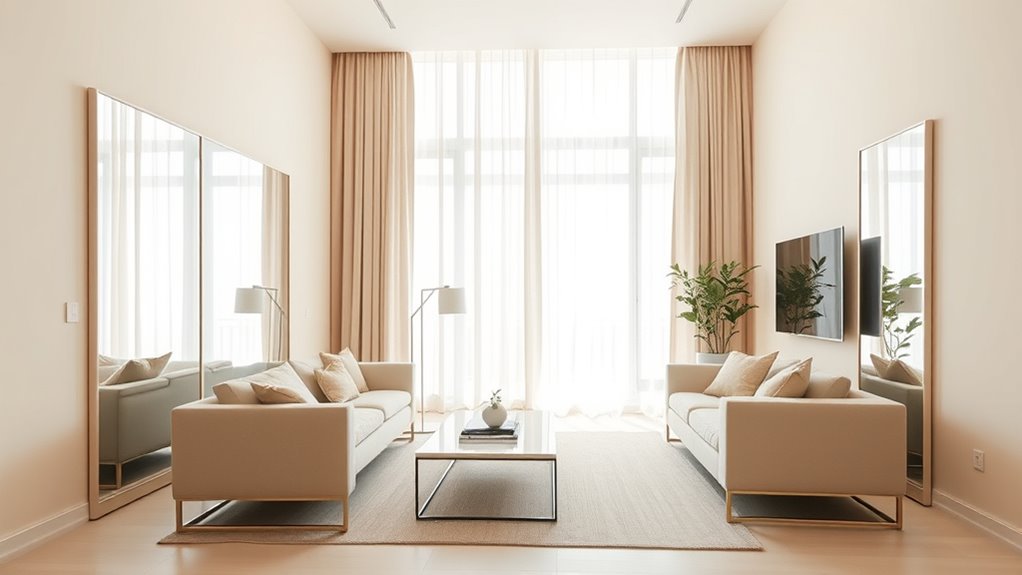
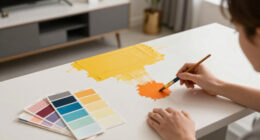
Using light and neutral color palettes can instantly make small rooms feel more spacious. Color psychology shows that soft shades like whites, beiges, and pastels create a calming, open vibe, reducing visual clutter. Bright, neutral tones reflect more light, making the space feel airy and less cramped. Combine these colors with effective lighting techniques—like placing lamps and using natural sunlight—to maximize brightness. Proper lighting enhances the effect of light colors, bouncing light around the room and eliminating shadows that can make a space feel smaller. Avoid dark, heavy hues, which absorb light and shrink the perceived size of the room. Instead, opt for a cohesive palette that promotes a sense of openness, making your small room feel larger and more inviting. Incorporating strategic lighting can further amplify the spacious feel by highlighting the light color scheme and creating an inviting atmosphere. Additionally, choosing appropriate projector placement ensures optimal light reflection and minimizes shadows, further enhancing the sense of space. Employing appropriate wall colors can also contribute significantly to the illusion of a larger room by reflecting more light and creating a seamless, open appearance. Being aware of visual perception principles can help you select the right colors and lighting techniques to maximize your space’s openness. Incorporating lighting control systems allows for adjustable brightness levels, giving you greater flexibility to enhance the room’s perceived size and ambiance.

FLEXIMOUNTS 2-Pack 2x6ft Garage Shelving 24-inch-by-72-inch Heavy Duty Wall Mounted Shelves Garage Storage Rack Floating Shelves, 1400lbs Load Capacity, Black, Classic Series
- High Load Capacity: Supports up to 1400 lbs total
- Easy Installation: Fits wood, concrete, brick walls
- Maximize Storage Space: Provides ample garage and pantry storage
As an affiliate, we earn on qualifying purchases.
As an affiliate, we earn on qualifying purchases.
Maximize Vertical Space With Tall Furniture
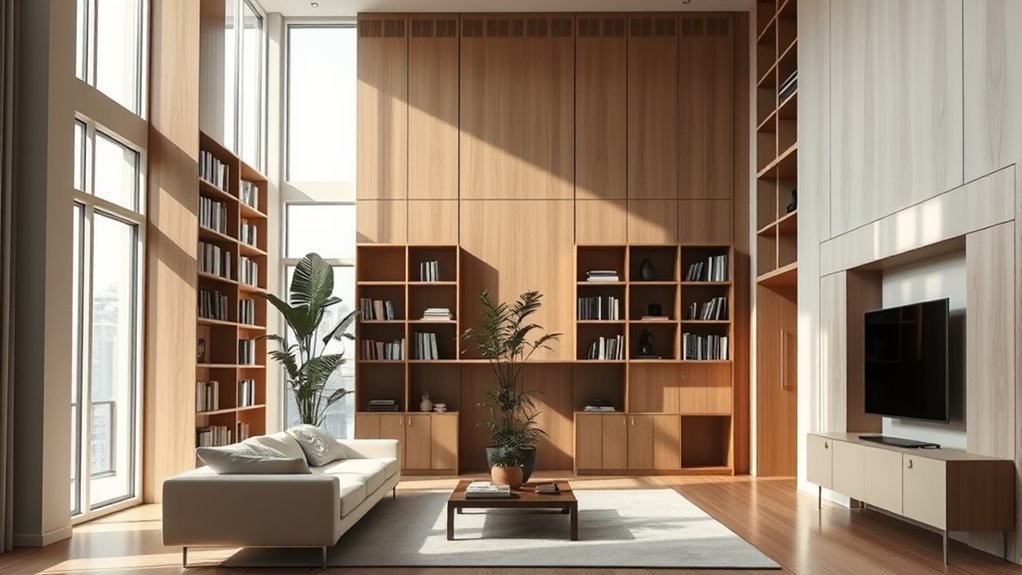
To make the most of limited floor space, incorporate tall furniture pieces that draw the eye upward and add storage without cluttering the room. Tall bookcases or cabinets are perfect for maximizing vertical space, providing room for shelf styling and decorative displays. Wall-mounted decor like tall shelving units or hanging storage keeps essentials accessible while freeing up floor area. Natural pool design elements such as incorporating native plants can further enhance the sense of openness and harmony within the space. Here are some ideas:
Maximize space with tall furniture and wall-mounted storage for a sleek, organized look.
- Use a tall, slim bookcase to add vertical storage and display space.
- Opt for wall-mounted shelves to keep clutter off surfaces and showcase decor.
- Incorporate a wardrobe or tall cabinet that reaches the ceiling for hidden storage.
- Install wall-mounted organizers to maximize vertical space while maintaining a clean look.
- Implement space-saving furniture strategies like these to help you create a more open and organized small room, making it feel larger and more inviting. Additionally, choosing multi-functional furniture can further optimize limited space by combining storage and seating in one piece.

Spaco 2-in-1 Folding Dining Table and Buffet Cabinet Set,Compact Pull-Out Kitchen Table with Wheels,Storage Shelf and Side Hooks,Multifunctional Cupboard for Small Place (White & Oak)
- 2-in-1 Space-Saving Design: Foldable dining table with storage unit
- Expandable Dining Table: Extends from 0 to 50.4 inches
- Multi-Functional Workstation: Counter-height surface with side shelf and hooks
As an affiliate, we earn on qualifying purchases.
As an affiliate, we earn on qualifying purchases.
Incorporate Mirrors to Reflect Light and Space
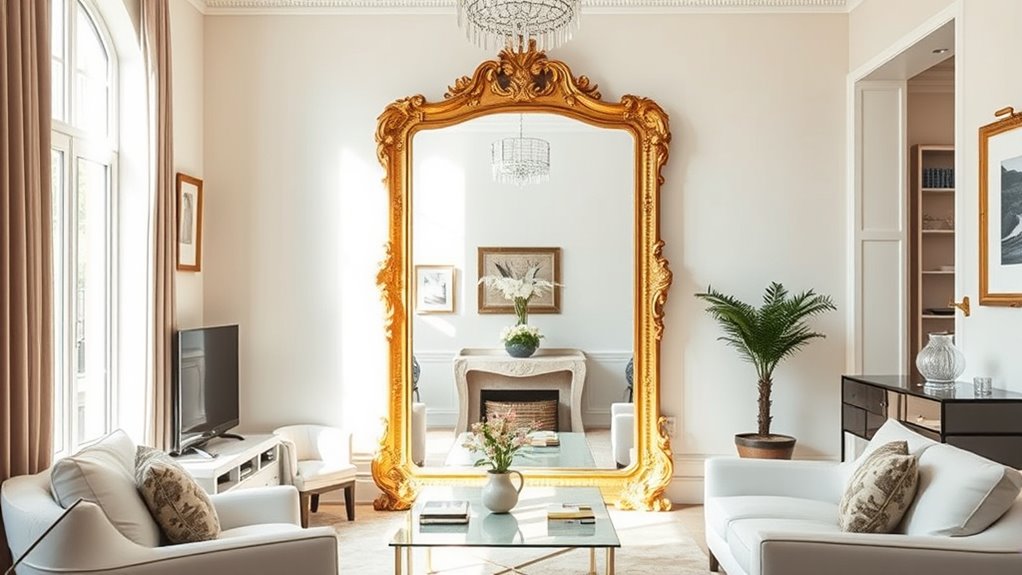
Mirrors are a smart way to make small rooms feel brighter and more spacious. Installing mirrored walls or large reflective surfaces instantly amplifies natural light, creating an airy atmosphere. Position mirrors opposite windows to maximize light reflection and open up the space visually. Vertical and full-length mirrors also add depth and make the room appear larger. You can lean a decorative mirror against the wall or incorporate mirrored furniture for a subtle effect. Be strategic with placement—avoid cluttering your space with too many mirrors, which can feel overwhelming. Reflective surfaces bounce light around the room, reducing shadows and making the space feel more expansive. Utilizing smart lighting controls and automation can further enhance this effect by adjusting light levels and directions to suit your needs. Incorporating lighting automation allows you to optimize light reflection and create different moods in your small room. Additionally, choosing appropriate mirror sizes and styles ensures a balanced and harmonious look. Using visual tricks like these, you can transform your small room into a more open and inviting space with minimal effort. With thoughtful use, mirrors become a powerful tool to enhance your small room’s sense of openness and brightness.

Kelly Miller 24"x48" Gold Foil Scalloped Edge Decorative Vanity Wall Mirror
- Gold Foil Finish: Hand-applied textured gold foil detail
- Unique Scalloped Design: Decorative cutout corner accents
- Large Surface Area: Brightens and expands any space
As an affiliate, we earn on qualifying purchases.
As an affiliate, we earn on qualifying purchases.
Choose Multi-Functional and Compact Furniture
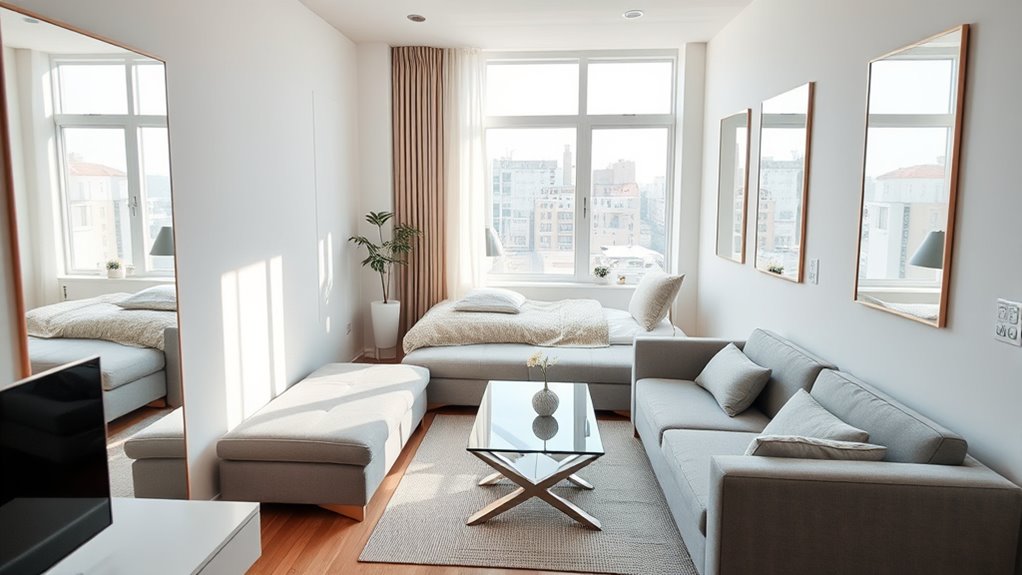
When space is limited, choosing multi-functional and compact furniture can dramatically improve your small room’s usability and feel. Multi functional furniture helps you maximize every inch without sacrificing style. Space saving designs allow for more open areas, making the room appear larger. Consider these options:
- A sofa bed that doubles as seating and a place to sleep.
- Ottoman storage units that serve as both seating and hidden storage.
- Foldable wall desks that can be tucked away when not in use.
- Nesting tables that can be stacked or separated as needed.
These pieces help you utilize your space efficiently, keeping your room clutter-free and visually open. Opt for sleek, multi purpose furniture to create a versatile, spacious environment. Incorporating space‑saving techniques can further enhance the perception of openness and improve overall functionality. Additionally, selecting furniture with compact dimensions ensures that your room remains comfortable and uncluttered while maximizing usable space. Implementing space optimization strategies can also help you make the most of your limited area. Using multi-purpose furniture thoughtfully can further amplify the sense of openness and adaptability in your small space. Moreover, choosing pieces with light colors or reflective surfaces can enhance brightness and contribute to a more expansive feel.
Keep Clutter to a Minimum With Smart Storage
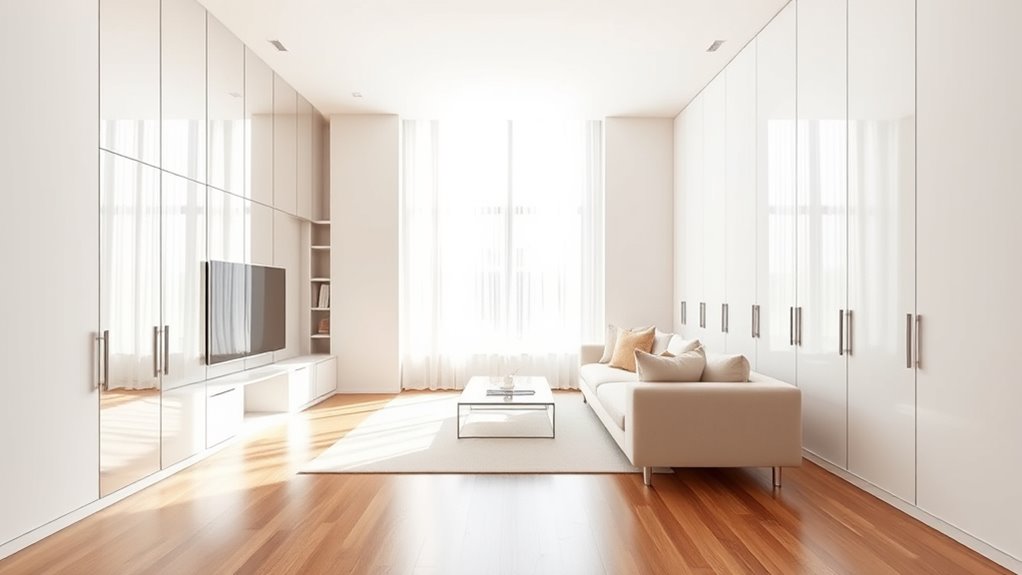
To keep your small room tidy, consider hidden storage options that keep clutter out of sight. Incorporate multifunctional furniture pieces that serve dual purposes, saving space while adding functionality. Don’t forget to utilize vertical space by adding shelves or wall-mounted units to maximize storage without crowding the floor.
Hidden Storage Solutions
Maximizing storage in small rooms requires clever solutions that blend seamlessly with your decor. Hidden storage solutions keep clutter out of sight while maintaining style. Consider incorporating:
- Hidden compartments beneath stairs or seating areas for quick access to seldom-used items.
- Concealed drawers within coffee tables or beds, providing discreet space for essentials.
- Storage ottomans that double as seating and hide blankets or books.
- Built-in wall niches with sliding panels to hide clutter without sacrificing design.
- Multi-functional furniture that combines storage with everyday use, making the most of limited space.
- Innovative designs like hidden compartments in furniture pieces help maximize every inch of available space.
These options utilize clever design tricks to keep your space clean and open. Using hidden compartments and concealed drawers helps you maximize every inch while keeping your room feeling spacious and organized. It’s all about blending function with aesthetics effortlessly.
Multifunctional Furniture Pieces
Multifunctional furniture pieces are essential for keeping small rooms organized because they combine practicality with style. Opt for pieces like storage ottomans or beds with built-in drawers to maximize space while adding decorative accents that enhance your room’s aesthetic. These versatile items reduce clutter and serve dual purposes, making your space feel open and inviting. Incorporate smart lighting techniques, such as under-bed or shelf lighting, to highlight your furniture’s functionality and create a cozy atmosphere. Choose furniture with hidden compartments or fold-away features to keep essentials out of sight yet easily accessible. Additionally, selecting furniture aligned with home theater design principles can elevate your space’s visual appeal and functionality. By blending practicality with decorative elements and thoughtful lighting, you make your small room feel larger, more organized, and visually appealing. Integrating multi-use furniture that combines storage and seating further enhances your ability to keep your space tidy without sacrificing style. Using space-saving designs can also help optimize every inch of your room for a more open feel.
Vertical Space Utilization
Utilizing vertical space effectively can dramatically reduce clutter in small rooms. By maximizing ceiling height, you create smart storage solutions that keep items off the floor and out of sight. This not only opens up floor space but also enhances the room’s sense of height and openness. Consider installing tall shelves or wall-mounted cabinets to store books, decor, or essentials. Using hooks or pegboards on walls provides easy access without sacrificing space. Floating shelves add storage without bulk, while hanging organizers can hold smaller items. Remember, the key is to keep the clutter to a minimum while making full use of your ceiling height, creating a streamlined, spacious feel.
- Install tall, wall-reaching shelving units
- Use ceiling-mounted storage for seasonal items
- Hang hooks or pegboards for easy access
- Opt for floating shelves to save space
Opt for Transparent or Open-Design Pieces
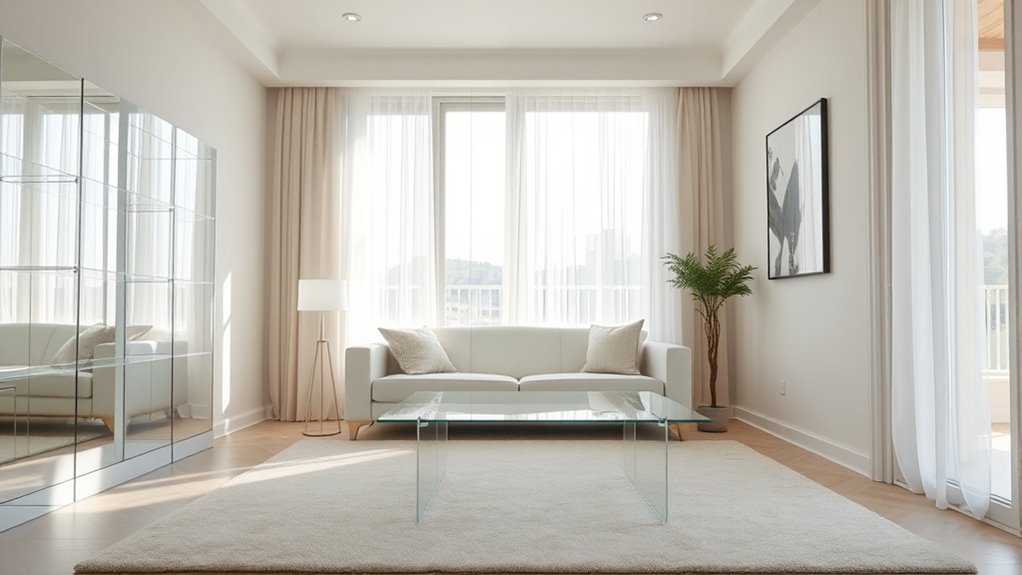
Choosing clear furniture, open shelving, and glass elements can make your small room feel more spacious. These pieces create a sense of openness without sacrificing style. By opting for transparent or open-design items, you’ll maximize your space and keep it feeling airy. Additionally, incorporating necessary cookies ensures the website functions smoothly while maintaining your browsing preferences.
Choose Clear Furniture
Opting for transparent or open-design furniture can make a small room feel more spacious. Clear pieces blend seamlessly with your decor, enhancing the minimalist aesthetics and emphasizing sleek profiles. They create a sense of openness, preventing cluttered visuals. Consider these options:
- Glass coffee tables that reflect light and add depth.
- Acrylic chairs that are lightweight and unobtrusive.
- Lucite side tables that serve as functional decor without bulk.
- Transparent storage units that keep essentials accessible yet discreet.
Using these pieces, you maintain a clean, airy vibe while maximizing space. The visual lightness of clear furniture helps your small room appear larger and less crowded, making every inch count without sacrificing style.
Use Open Shelving
Open shelving provides a smart way to keep your small room organized without feeling cluttered. Floating shelves and wall-mounted units create open storage that doesn’t block sightlines or make the space feel cramped. Use these to display decorative objects or essentials, keeping things accessible yet tidy. Open shelving also adds visual lightness, making your room feel larger. Consider placing floating shelves at different heights for variety, and choose transparent or minimalistic designs to enhance openness. Wall-mounted units save floor space and reduce visual clutter, giving your room a clean, airy look. Here’s a quick comparison:
| Feature | Benefits | Best Use |
|---|---|---|
| Floating shelves | Easy to install, versatile | Display decor, books |
| Wall-mounted units | Maximize vertical space | Store essentials, reduce clutter |
| Transparent design | Enhances openness | Keeps the room feeling spacious |
Incorporate Glass Elements
In small rooms, incorporating glass elements can make a significant difference by enhancing the sense of openness. Glass decor, like transparent panels and open-design pieces, creates visual space, making the room feel larger. By choosing furniture with glass surfaces or transparent panels, you avoid bulky visuals that close in the space. Here are some ideas to try:
- Use glass coffee tables or side tables for a light, airy feel.
- Install transparent room dividers to partition areas without blocking light.
- Select glass shelving or decor to reduce visual clutter.
- Incorporate glass pendant lights or lamps to brighten the room.
These simple swaps bring a sleek, open vibe, maximizing your small room’s potential.
Highlight Focal Points and Create Visual Depth
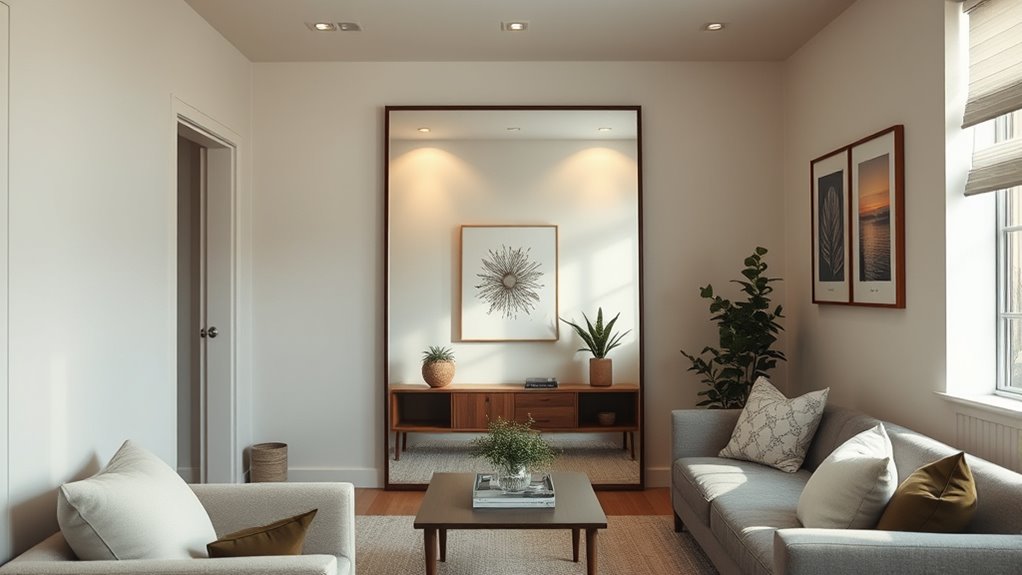
To make small rooms feel more spacious, focus on highlighting a few key focal points that draw the eye. Strategic focal point placement guides attention and creates a sense of depth. For example, position artwork or a statement piece on a prominent wall to instantly draw focus. Use visual depth techniques like layering furniture, varying rug heights, or incorporating different textures to add dimension. Lighting also plays an essential role; accent lighting on a feature wall or a well-placed lamp can emphasize focal points further. Keep clutter to a minimum so your chosen focal points stand out. By directing attention intentionally and adding layers of visual interest, you make the space feel larger and more inviting without overwhelming it.
Frequently Asked Questions
How Can Lighting Techniques Enhance the Perception of Space in Small Rooms?
You can enhance the perception of space in small rooms by using lighting layering, combining ambient, task, and accent lights to create depth. Incorporate shadow play by strategically placing lights to cast gentle shadows, adding dimension. This technique makes the room feel more expansive and dynamic. Keep lighting bright but balanced, avoiding harsh glare, and focus on highlighting key areas to maximize the illusion of openness.
What Are the Best Ways to Choose Multi-Purpose Furniture for Limited Spaces?
Did you know that multi-purpose furniture boosts space-saving and enhances versatility in small rooms? When choosing, prioritize pieces with hidden storage, foldable features, or modular design. Look for furniture that can serve multiple functions, like a sofa bed or an ottoman with storage. This way, you maximize every inch, keep clutter minimal, and create a flexible, open environment that feels larger and more functional.
How Do Different Mirror Styles Impact Room Size Perception?
Different mirror styles markedly influence how spacious your room feels. Round mirrors soften the space, creating a cozy vibe, while rectangular or full-length mirrors add height and depth, making the room seem larger. Frame styles also matter; sleek, frameless mirrors promote openness, whereas ornate frames can make the space feel busier. Choose mirror shapes and frame styles intentionally to enhance your room’s perception of size and openness.
Which Colors Are Most Effective for Small Room Decor?
Choose light, neutral colors like soft whites, beiges, or pastels, as they reflect more light and create a sense of space. Color psychology shows these shades evoke calmness and openness, making your small room feel larger. Use color contrast with darker accents for furniture or decor to add depth without shrinking the space. Keep walls simple and avoid overwhelming patterns, allowing the room to feel airy and expansive.
How Can I Create the Illusion of Higher Ceilings Visually?
You can create the illusion of higher ceilings by focusing on ceiling height illusions, using vertical stripe wallpaper, and emphasizing vertical lines in your decor. Draw the eye upward with tall curtains, elongated furniture, and painted or wallpapered vertical stripes. These elements work together to give your room a sense of greater height, making your space feel more open and airy, all while enhancing the overall aesthetic effortlessly.
Conclusion
By embracing these decor tricks, you transform a small room from cramped to spacious. Light colors and mirrors open up the space, while tall furniture and smart storage keep clutter at bay. Multi-functional pieces save precious square footage, and open designs add a breezy feel. It’s the art of illusion—where simplicity meets style, and clever choices create the illusion of grandeur. Small space? Not anymore. With these tricks, you’ll make it feel endless.