
TL;DR

Get furniture and decor delivered free with Prime
- Fast, free delivery on millions of items
- Prime Video, Amazon Music and more included
- Member-only deals all year
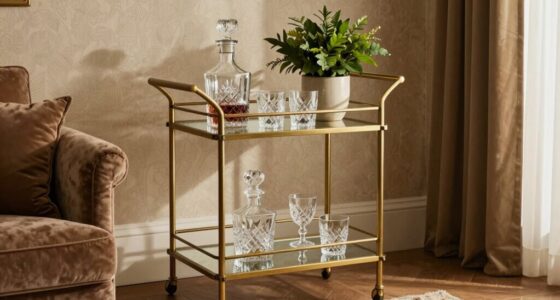
A design rule known as the 70-20-10 rule is being promoted for making affordable furniture appear more luxurious. The trend is gaining popularity online, though details about its origins remain unconfirmed. This could influence consumer choices and interior design practices.
A design principle known as the 70-20-10 rule is gaining traction for its ability to make affordable furniture appear more luxurious. While the origin of this rule remains unconfirmed, its popularity is evident through rising online searches and social media mentions. This trend could influence both consumer purchasing decisions and interior design approaches, especially as more people seek stylish yet budget-friendly home decor options.
The 70-20-10 rule suggests that by allocating roughly 70% of a space or design to dominant elements, 20% to secondary features, and 10% to accents, homeowners and designers can create a high-end aesthetic with inexpensive furniture pieces. This approach emphasizes strategic placement, color coordination, and accessory use to elevate the perceived quality of budget-friendly items.
According to trend signals, online searches for the 70-20-10 rule related to interior design have surged over the past few months, indicating growing interest among consumers and professionals. Social media influencers and interior decorators are increasingly sharing tips on how to apply this rule, often showcasing inexpensive furniture styled to look luxurious.
While the rule’s precise origins are unclear, some design experts suggest it aligns with established principles of visual balance and contrast, which can be applied to any budget. The trend’s rise may reflect a broader consumer desire for stylish, affordable home decor amid economic uncertainties and rising furniture prices.
Why the 70-20-10 Rule Could Shift Home Decor Trends
The adoption of the 70-20-10 rule could significantly impact how consumers approach furniture shopping and interior styling. By providing a simple framework for elevating inexpensive pieces, it democratizes high-end aesthetics, making luxury-style interiors more accessible to a broader audience. This trend may also influence furniture retailers and designers to focus on versatile, mix-and-match strategies that maximize visual appeal without high costs.
Moreover, the trend reflects a broader shift toward budget-conscious yet stylish living, driven by economic pressures and a desire for personalized home spaces. If widely adopted, it could reshape market dynamics, encouraging more affordable furniture brands to develop pieces that can be styled effectively using this rule.
luxury-looking furniture accessories
As an affiliate, we earn on qualifying purchases.
As an affiliate, we earn on qualifying purchases.
Emerging Interest in Cost-Effective Interior Design Strategies
The 70-20-10 rule is part of a broader movement toward accessible interior design, where consumers seek ways to create high-end looks without overspending. Historically, achieving a luxurious aesthetic has involved expensive furniture and decor, but recent trends emphasize strategic styling and accessory use to stretch budgets further.
Search interest in the rule has spiked in late 2023, according to trend monitoring tools, though there are no official statements or formal endorsements from major design institutions. The concept aligns with a growing online community sharing tips on affordable decor, fueled by social media platforms and DIY content creators.
It is not yet clear whether the rule’s popularity is driven by professional designers or casual homeowners experimenting with styling techniques. Its rise may also be linked to broader economic factors, including inflation and supply chain disruptions affecting furniture prices.
As an affiliate, we earn on qualifying purchases.
Unconfirmed Origins and Long-Term Effectiveness
The exact origins of the 70-20-10 rule in interior design are not confirmed, and its long-term effectiveness remains untested by formal studies. While anecdotal and trend signals suggest popularity, there is no consensus among professional designers or industry experts about its validity or universality.
It is also unclear whether this approach will sustain long-term influence or fade as a passing trend. Further research and practical application are needed to validate its efficacy across different styles and budgets.
budget-friendly furniture styling kit
As an affiliate, we earn on qualifying purchases.
As an affiliate, we earn on qualifying purchases.
Monitoring Adoption and Formal Endorsements
As interest in the 70-20-10 rule continues to grow, industry observers will watch for its adoption by professional designers and furniture brands. Future developments may include official guides, workshops, or endorsements that formalize the approach. Additionally, consumer feedback and case studies will help determine whether this styling method truly delivers on its promise to make cheap furniture look expensive.
In the coming months, social media platforms and interior design publications are expected to feature more examples and tutorials, helping to solidify or challenge the rule’s place in mainstream decor strategies.
As an affiliate, we earn on qualifying purchases.
Key Questions
What is the 70-20-10 rule in interior design?
The 70-20-10 rule is a styling principle suggesting that by allocating 70% of a space to dominant elements, 20% to secondary features, and 10% to accents, you can create a luxurious look using inexpensive furniture and decor.
Is the 70-20-10 rule a new concept?
While the specific term is gaining recent popularity, the underlying idea of balancing elements to achieve a high-end aesthetic is rooted in established design principles. Its recent rise is mainly driven by online trend signals and social media sharing.
Can this rule really make cheap furniture look expensive?
According to trend influencers and some designers, applying the 70-20-10 rule with strategic styling, color coordination, and accessories can significantly enhance the perceived value of budget furniture. However, formal studies confirming its effectiveness are lacking.
Are there any risks to relying on this rule?
While the rule offers a straightforward approach, over-reliance without considering overall space harmony or quality of furniture could lead to inconsistent results. It is best used as part of a broader styling strategy.
What should consumers watch for next regarding this trend?
Consumers and professionals should monitor for official endorsements, tutorials, and case studies that validate or challenge the rule’s effectiveness. Its longevity will depend on practical results and broader industry acceptance.
Source: rss
Halloween Picks
halloween
As an affiliate, we earn on qualifying purchases.