TL;DR

Get furniture and decor delivered free with Prime
- Fast, free delivery on millions of items
- Prime Video, Amazon Music and more included
- Member-only deals all year
The Good Trade has published a 2026 guide featuring 10 wool rugs it describes as thoughtfully made, durable and suitable for homes seeking fewer potentially hazardous materials. The publication says its editors researched the brands and reviewed customer feedback, but individual product details, test results and independent verification are not included in the supplied material.
The Good Trade has published a 2026 guide to 10 soft wool rugs for shoppers seeking natural-fiber flooring and fewer potentially hazardous treatments at home. The lifestyle publication says its editors researched the featured brands and reviewed thousands of customer reviews, while disclosing that it may earn commissions from purchases made through some links.
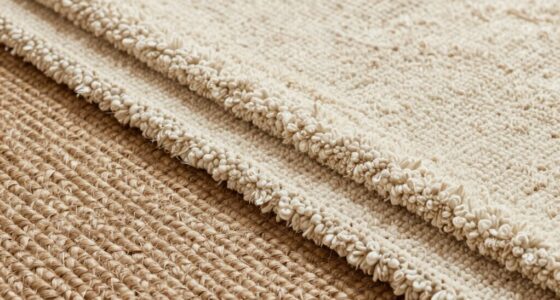
The guide describes wool as a soft, durable and naturally water-repellent fiber, and recommends checking whether a rug is made from wool alone or combined with natural materials such as cotton or jute, as discussed in this guide to wool rugs for comfort and style. It advises shoppers to look for product information about dyes, adhesives and stain- or water-resistant treatments, as well as whether synthetic fibers such as polyester are present.
The publication says its selection criteria include avoiding hazardous chemicals and PFAS, using natural or sustainable materials, offering a range of styles and sizes, and being relatively easy to clean, priorities also covered in this roundup of organic nontoxic rugs. It points readers toward certifications including OEKO-TEX, which tests products for harmful substances, and Fair Trade Certified, which relates to artisan wages and working conditions. The supplied material does not identify the 10 products by name or provide model-level prices, materials, certification status or test results.
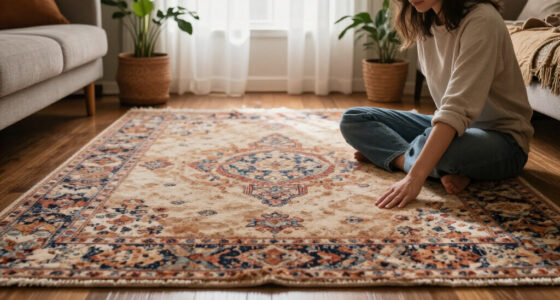
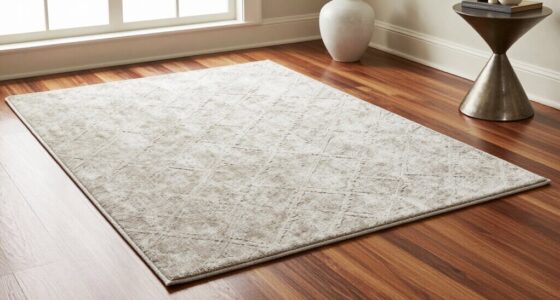
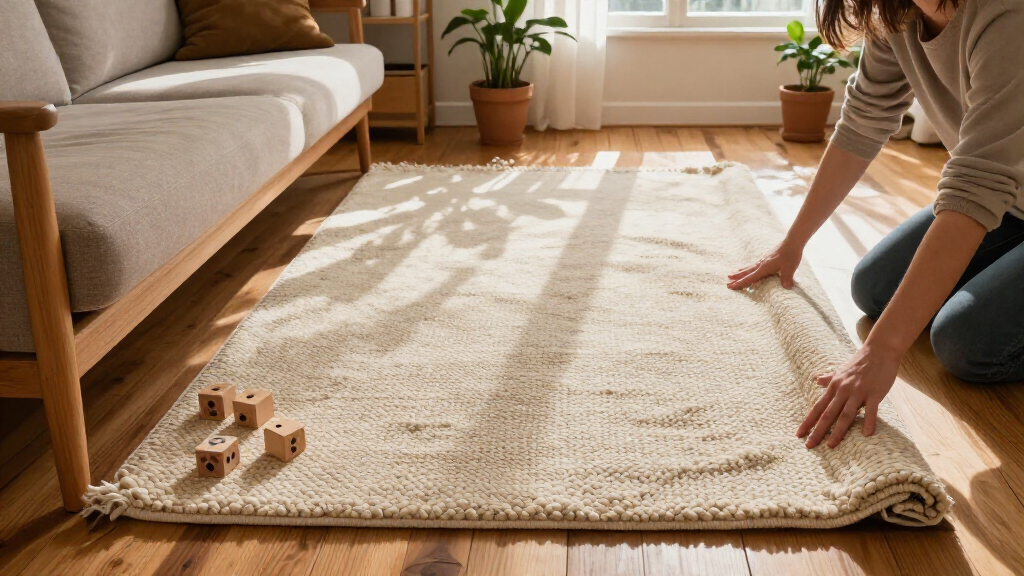
The guide also compares rug construction and use, including options such as plush area rugs for cozy rooms. It says softer options may suit rooms where people sit or play on the floor, while sturdier weaves, including braided rugs, may better withstand heavier foot traffic. The article notes that some brands offer samples, allowing shoppers to assess texture before ordering.
Home & Materials / 2026 Guide
10 Soft Wool Rugs For A Nontoxic Home In 2026
The Good Trade’s guide highlights wool rugs for shoppers seeking natural-fiber flooring and fewer potentially hazardous treatments. Its supplied material shares selection advice, but does not identify the 10 rugs or provide product-level test results.
The key takeaway
Use the guide as a checklist, not a product safety guarantee.
Review each listing’s fiber content, finishes, backing and certification scope. The available source does not independently verify each rug.
01 / Reading the claims
What the guide says
The Good Trade says editors researched brands and reviewed thousands of customer reviews. It also discloses that it may earn commissions from some purchases through its links.
Wool & blends
Wool is described as soft, durable and naturally water-repellent. Check whether a rug is all wool or blended with cotton or jute.
Stated priorities
Criteria include natural or sustainable materials, avoiding hazardous chemicals and PFAS, varied styles and sizes, and easier cleaning.
Feel meets traffic
Plush rugs may suit rooms where people sit or play on the floor. Sturdier weaves may be a better fit for busy areas.
02 / Before you buy
Check the full material story
A natural-fiber description alone does not tell you whether the rug has added coatings, synthetic backing or other components.
Confirm percentages and whether polyester or other synthetic fibers are present.
Ask about dyes, stain or water repellents, adhesives and other finishes.
Look for specific claims such as OEKO-TEX testing or Fair Trade Certified practices, and check what each covers.
Read care instructions. If offered, a sample can help assess texture and shedding before ordering.
Match construction to the room
03 / Evidence check
What the supplied source leaves out
The available material describes editorial standards, but it is not enough to compare or independently assess individual products.
Product identities
No rug names, individual product pages, prices or manufacturing locations are included.
Test documentation
No lab reports, test methods, substances tested or model-level certification results appear in the supplied material.
Claim boundaries
The source does not establish that any specific rug is risk-free or that every listed product has the same certification.
04 / A practical path
From shortlist to floor
Use the publication’s advice to guide questions to brands and sellers. Follow product-specific care labels when they differ.
Inspect
Read fiber content, backing and treatment disclosures.
Verify
Ask what a certification applies to and request clear details.
Sample
Assess texture and shedding where samples are available.
Maintain
Vacuum regularly, rotate, and blot spills promptly.
Care notes from the guide
Act quickly when spills happen.
The publication recommends blotting spills promptly with warm water, avoiding colored soap, and using wool-safe products or professional cleaning for deeper annual care. New wool rugs may shed; the source advises waiting until shedding has passed before placing one in a nursery or young child’s room.
“Try to act quickly to clean [a stain] up so it doesn’t set in.”
The Good Trade / Spot-cleaning adviceCheck the care label first; product-specific instructions take precedence.
Practical reminder / Before cleaning05 / Reader questions
At a glance
A clear read on what this 2026 guide can—and cannot—tell shoppers from the supplied information.
What is the news?
The Good Trade presents 10 wool rugs for shoppers interested in natural materials, alongside buying and care advice. The supplied source does not name the rugs.
Does it prove every rug is nontoxic?
No. Product-level test reports and certification details are not included, so the claims cannot be independently verified for each rug.
What should shoppers confirm?
Check fibers, dyes, backing, adhesives, treatments, certification scope and care requirements. Ask the seller when details are unclear.
How should wool rugs be cleaned?
The guide recommends regular vacuuming, rotating a couple of times a year and prompt blotting. Follow the specific rug’s care instructions.
Choosing Rugs With Fewer Treatments
Rugs can be a substantial source of material in a room, and shoppers may not know from appearance alone whether a product contains synthetic fibers or has been treated with stain repellents, dyes or other finishes. The guide gives readers a practical checklist for product research, directing attention to full fiber content, manufacturing claims and third-party certifications rather than relying on a general “natural” label.
The advice is relevant to households with children or pets, but it does not establish that any particular rug is risk-free or that wool products are automatically nontoxic. The publication’s health and environmental statements are editorial guidance, not product-specific test findings in the material provided. Checking a brand’s disclosures and certification scope remains necessary, especially for shoppers with specific sensitivities or requirements.
As an affiliate, we earn on qualifying purchases.
How the Guide Sets Its Criteria
The Good Trade presents the list as part of its coverage of sustainable home furnishings. It says staff researched brands and reviewed thousands of customer reviews, and that the list is updated to include products meeting its stated standards. Its criteria include natural materials, avoiding hazardous chemicals and PFAS, ease of cleaning, and a selection of styles and sizes. The publisher also discloses that it earns commissions from some linked purchases, a financial relationship readers may wish to account for when evaluating recommendations.
The guide’s material advice distinguishes fiber choice from chemical treatment: wool may naturally repel water, but a finished rug can still include dyes, adhesives or added coatings. It also advises checking pile and weave against a rug’s intended location. A textured or soft rug may feel comfortable underfoot, while a construction designed for durability may suit a busy hallway better.
““We prefer rugs that are made from 100% wool or a blend of natural wool and cotton or jute — something with all natural materials (read without plastic or polyester).””
— The Good Trade
As an affiliate, we earn on qualifying purchases.
Product-Level Evidence Not Listed
The source material supplied for this article does not name the 10 rugs, link to their individual product pages, or state their prices, manufacturing locations, fiber percentages or certification results. It also does not provide laboratory reports showing what substances were tested for, the testing methods, or whether every rug in the list has the same certification. Those details are needed to compare products and independently assess the guide’s claims.
The article’s broad statements about wool’s environmental footprint and chemical concerns are not accompanied in the supplied material by citations or comparative data. A certification can cover particular standards or product attributes; readers should check what a label applies to rather than assume it verifies every aspect of a rug. The guide itself discloses affiliate commissions, but the supplied text does not specify which links are commissionable.
As an affiliate, we earn on qualifying purchases.
Check Listings Before Buying
Shoppers can use the guide’s criteria to examine each product listing and contact the seller when material composition, finishes or certification scope are not clear. Confirm the full fiber breakdown and care instructions, and ask whether stain-resistant treatments, adhesives or synthetic backing are used. Where available, a sample can help assess texture, shedding and suitability for the room.
For upkeep, the publication recommends vacuuming regularly, rotating rugs a couple of times a year and promptly blotting spills with warm water. It cautions against colored soap, which it says can leave residue or affect naturally dyed wool, and recommends professional cleaning or careful use of wool-safe products for annual deep cleaning. The source notes that new wool rugs may shed and advises avoiding placement in a nursery or young child’s room until that shedding period has passed. Product-specific care labels should take precedence where instructions differ.
As an affiliate, we earn on qualifying purchases.
Key Questions
What is the news in The Good Trade’s 2026 rug guide?
The publication has presented a selection of 10 wool rugs for shoppers interested in natural materials, along with buying and care advice. The supplied source does not include the individual product names.
Does the guide prove that every listed rug is nontoxic?
No product-level test reports or certification details are included in the source material. The guide describes its criteria and recommends checking certifications and manufacturer disclosures, but the available information does not independently verify each rug.
What should shoppers check before buying a wool rug?
Check the fiber composition, dyes, backing, adhesives and any stain- or water-resistant treatments. Look for clear certification information, such as the specific scope of an OEKO-TEX or Fair Trade claim, and confirm care requirements.
How does the guide recommend cleaning wool rugs?
It recommends acting quickly on spills and blotting with warm water, avoiding colored soap, vacuuming regularly and rotating the rug a few times a year. For deep cleaning, follow the manufacturer’s instructions or consult a professional cleaner.
Source: rss
Halloween Picks
halloween
As an affiliate, we earn on qualifying purchases.