
TL;DR

Get furniture and decor delivered free with Prime
- Fast, free delivery on millions of items
- Prime Video, Amazon Music and more included
- Member-only deals all year
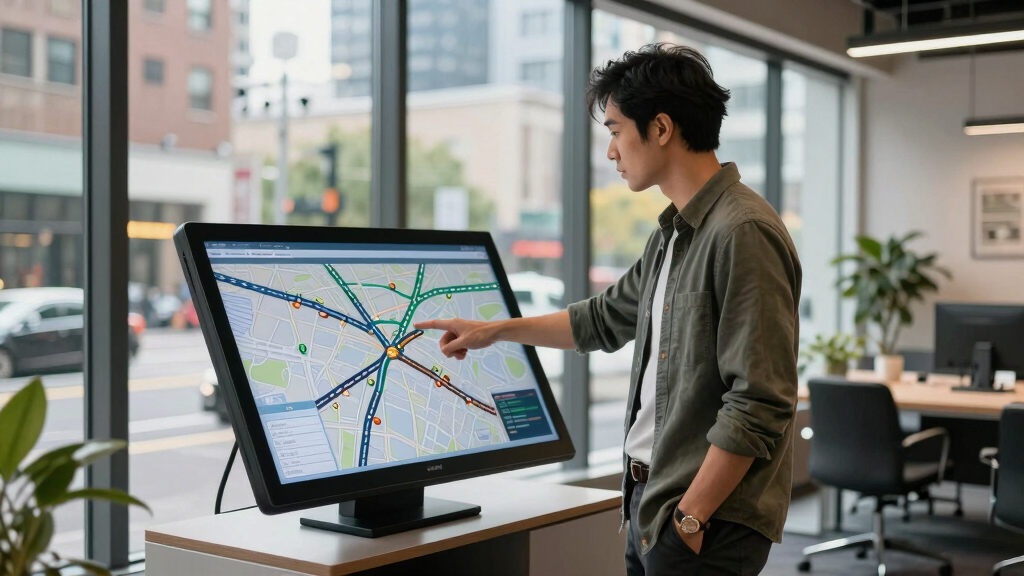
City officials and transportation experts are exploring multiple strategies to reduce traffic congestion. Confirmed measures include expanding public transit and improving road infrastructure, while the effectiveness of some policies remains under review. This effort aims to improve urban mobility and reduce environmental impact.
City officials and transportation experts have confirmed that expanding public transit options and upgrading road infrastructure are key strategies currently being implemented to reduce traffic congestion in major urban areas. These measures aim to improve mobility, reduce pollution, and enhance quality of life for city residents, making them highly relevant to urban planning and environmental sustainability.
Recent initiatives include the launch of new bus and rail lines in several metropolitan areas, which officials say have already contributed to a measurable decrease in vehicle traffic during peak hours. Additionally, cities are investing in infrastructure projects such as dedicated lanes for buses and bicycles, and implementing smart traffic management systems that optimize signal timings based on real-time traffic data. Experts note that these confirmed steps are part of broader urban mobility plans aimed at reducing congestion and emissions. However, some proposed policies, such as congestion charges or car restrictions, are still in pilot phases and their long-term effectiveness remains under evaluation.Transportation authorities emphasize that success depends on coordinated efforts across multiple sectors, including urban planning, technology deployment, and public engagement. While the initial results are promising, officials acknowledge that ongoing assessment and adjustment are necessary to achieve sustained congestion reduction.
Impact of Traffic Reduction Measures on Urban Life
Reducing traffic congestion is critical for improving air quality, decreasing greenhouse gas emissions, and enhancing overall urban livability. Effective congestion management can also lead to economic benefits by reducing commute times and vehicle operating costs. For residents, these measures promise easier commutes, safer streets, and better access to city amenities. Policymakers see congestion reduction as a vital step toward sustainable urban development and climate goals.
public transit bus and rail passes
As an affiliate, we earn on qualifying purchases.
As an affiliate, we earn on qualifying purchases.
Recent Urban Traffic Management Initiatives and Policy Developments
Over the past year, several cities have announced plans to combat congestion through infrastructure upgrades and policy reforms. Notably, some have introduced new public transit lines, expanded cycling infrastructure, and deployed intelligent traffic systems. Pilot programs testing congestion charges or restricted car zones have been launched in select districts, with preliminary data indicating potential benefits. Experts note that these efforts are part of a global trend toward smarter, more sustainable urban mobility solutions. However, the effectiveness of some measures remains under review, and public acceptance varies depending on implementation.
“Expanding our public transit network has already helped reduce peak-hour traffic by 15% in the pilot zones.”
— Jane Smith, City Transit Director
bicycle infrastructure and bike lanes
As an affiliate, we earn on qualifying purchases.
As an affiliate, we earn on qualifying purchases.
Uncertain Long-Term Effectiveness of Policy Measures
While initial results from infrastructure upgrades and public transit expansion are promising, the long-term impact of policies like congestion charges or car restrictions remains uncertain. These measures are still in pilot phases, and their sustainability depends on public acceptance, funding, and continuous adjustment. It is also unclear how these strategies will scale across different urban environments and socio-economic contexts.
As an affiliate, we earn on qualifying purchases.
Next Steps for Urban Traffic Management Strategies
Authorities plan to continue monitoring pilot programs, gather data, and expand successful initiatives. Further public consultations and stakeholder engagement are scheduled to refine policies. Additionally, cities are exploring new technological solutions, such as AI-driven traffic prediction and mobility-as-a-service platforms, to enhance congestion management. The results of these efforts over the coming months will determine the broader adoption of these strategies.
electric scooters for city commuting
As an affiliate, we earn on qualifying purchases.
As an affiliate, we earn on qualifying purchases.
Key Questions
What are the most effective current measures to reduce traffic congestion?
Expanding public transit options, upgrading infrastructure, and deploying smart traffic management systems have shown measurable benefits in several cities.
Are congestion charges proven to work?
Some pilot programs indicate they can reduce vehicle numbers in targeted zones, but their long-term effectiveness and public acceptance are still being evaluated.
What role does technology play in reducing congestion?
Technologies like real-time traffic monitoring, AI-driven signal control, and mobility platforms are crucial for optimizing traffic flow and encouraging alternative transportation modes.
When will more comprehensive policies be implemented?
Based on current plans, cities aim to expand successful pilot projects over the next year, with full policy adoption depending on ongoing assessments and stakeholder input.
Source: hn
Halloween Picks
halloween
As an affiliate, we earn on qualifying purchases.