The best home design books pair inspiring rooms with ideas readers can adapt to their own homes. My best overall pick is The New Design Rules for its start-to-finish approach to decorating and renovation, while Home Therapy stands out for readers who want their spaces to support calm and well-being. For a more visual, style-led read, Made for Living offers a different appeal from the practical guidance of a how-to book. The main tradeoff is choosing between actionable instruction, a focused design philosophy, and photography meant chiefly for inspiration. Read on for the full breakdown and a guide to choosing the kind of book you will return to.

Get furniture and decor delivered free with Prime
- Fast, free delivery on millions of items
- Prime Video, Amazon Music and more included
- Member-only deals all year
Complete the kit


Key Takeaways
- The New Design Rules leads for readers who want help across both decorating and renovation, rather than inspiration alone.
- Home Therapy takes a distinct well-being angle, while New York School of Interior Design: Home centers the foundations of enduring spaces.
- Visual collections such as The Most Beautiful Rooms in the World and AD at Home suit browsing and reference better than step-by-step planning.
- 150 Best All New House Ideas is the clearest fit for readers drawn to contemporary architecture and sustainable design.
- The lineup ranges from focused guides to broad visual surveys, so the best choice depends more on how you plan to use the book than on the size of its interiors.
| The New Design Rules: How to Decorate and Renovate, from Start to Finish |  | Best for Decorating and Renovation Planning | Format: Book | Subject: Interior design | Topics: Decorating and renovation | VIEW LATEST PRICE | See Our Full Breakdown |
| Heirloom Design: Creating Your Best Home with the Interiors of House Seven Design |  | Best for Heirloom-Inspired Interiors | Product type: Book | Subject: Home interiors and design | Featured design studio: House Seven Design | VIEW LATEST PRICE | See Our Full Breakdown |
| Home Therapy: Interior Design for Increasing Happiness, Boosting Confidence, and Creating Calm |  | Best for Well-Being-Focused Design | Format: Book | Subject: Interior design | Focus: Happiness, confidence, and calm | VIEW LATEST PRICE | See Our Full Breakdown |
| New York School of Interior Design: Home: The Foundations of Enduring Spaces |  | Best for Foundational Design Principles | Format: Book | Subject: Interior design | Institution: New York School of Interior Design | VIEW LATEST PRICE | See Our Full Breakdown |
| Old Brand New: Colorful Homes for Maximal Living |  | Best for Maximalist Inspiration | Format: Hardcover | Subject: Interior design | Style: Maximalist | VIEW LATEST PRICE | See Our Full Breakdown |
| The Most Beautiful Rooms in the World |  | Best for Global Visual Inspiration | Format: Coffee-table book | Subject: Interior design and rooms | Geographic scope: International | VIEW LATEST PRICE | See Our Full Breakdown |
| Home at Last: Enduring Design for the New American House |  | Best for Timeless American Home Principles | Format: Book | Subject: Architecture and home design | Geographic focus: American homes | VIEW LATEST PRICE | See Our Full Breakdown |
| The Art of Home: A Designer Guide to Creating an Elevated Yet Approachable Home |  | Best for Approachable Designer Style | Format: Book | Subject: Home design | Guide type: Designer guide | VIEW LATEST PRICE | See Our Full Breakdown |
| AD at Home: Architectural Digest |  | Best for Architectural Digest–Focused Browsers | Format: Not specified in the provided product data | Named publication: Architectural Digest | Stated subject: Home | VIEW LATEST PRICE | See Our Full Breakdown |
| Made for Living: Collected Interiors for All Sorts of Styles |  | Best for Mixed-Style Decorating Inspiration | Format: Not specified in the provided product data | Subject: Interior design | Design focus: Collected interiors | VIEW LATEST PRICE | See Our Full Breakdown |
| Call It Home: The Details That Matter | 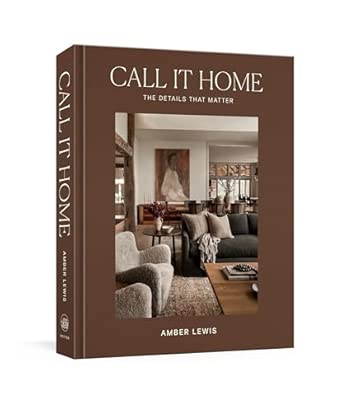 | Best for Detail-Focused Decorating | Title: Call It Home: The Details That Matter | ASIN: 0593235525 | Format: Not provided | VIEW LATEST PRICE | See Our Full Breakdown |
| Architectural Digest at 100: A Century of Celebrity Homes, Iconic Designers, and American Taste |  | Best Design History and Visual Reference | Title: Architectural Digest at 100: A Century of Celebrity Homes, Iconic Designers, and American Taste | ASIN: 1419733338 | Format: Book | VIEW LATEST PRICE | See Our Full Breakdown |
| Ralph Lauren: A Way of Living — Home, Design, Inspiration |  | Best for a Distinctive Designer Point of View | Title: Ralph Lauren: A Way of Living — Home, Design, Inspiration | ASIN: 0847872149 | Format: Book | VIEW LATEST PRICE | See Our Full Breakdown |
| The Harmonious Home: Designing Peaceful, Personal Spaces Inspired by Nature |  | Best for Calm, Nature-Inspired Interiors | Title: The Harmonious Home: Designing Peaceful, Personal Spaces Inspired by Nature | ASIN: 0593582225 | Subject: Peaceful, personal home design | VIEW LATEST PRICE | See Our Full Breakdown |
| 150 Best All New House Ideas: A Visual Guide to Contemporary Sustainable Architecture and Innovative Interior Design |  | Best for Sustainable Modern-House Inspiration | Title: 150 Best All New House Ideas: A Visual Guide to Contemporary Sustainable Architecture and Innovative Interior Design | ASIN: 0063219247 | Number of concepts: 150 | VIEW LATEST PRICE | See Our Full Breakdown |
| home design book | Format | Subject | ASIN |
|---|---|---|---|
| The New Design Rules: How to D | Book | Interior design | 1984826484 |
| Heirloom Design: Creating Your | — | Home interiors and design | 1423668588 |
| Home Therapy: Interior Design | Book | Interior design | 0593233239 |
| New York School of Interior De | Book | Interior design | 0804137196 |
| Old Brand New: Colorful Homes | Hardcover | Interior design | 1984861093 |
| The Most Beautiful Rooms in th | Coffee-table book | Interior design and rooms | — |
| Home at Last: Enduring Design | Book | Architecture and home design | — |
| The Art of Home: A Designer Gu | Book | Home design | — |
| AD at Home: Architectural Dige | Not specified in the provided product data | — | — |
| Made for Living: Collected Int | Not specified in the provided product data | Interior design | — |
| Call It Home: The Details That | Not provided | Home design details | 0593235525 |
| Architectural Digest at 100: A | Book | Architectural Digest archive and home design | 1419733338 |
| Ralph Lauren: A Way of Living | Book | Home, design, and inspiration | 0847872149 |
| The Harmonious Home: Designing | Not provided | Peaceful, personal home design | 0593582225 |
| 150 Best All New House Ideas: | Not provided | Contemporary sustainable architecture and interior design | 0063219247 |
More Details on Our Top Picks
The New Design Rules: How to Decorate and Renovate, from Start to Finish
Decorating and renovation in one process-focused guide give this book a practical role among the more style-led picks. Its start-to-finish framing may suit readers who want to connect decisions about a home’s layout or updates with the decorating choices that follow. Compared with Home: The Foundations of Enduring Spaces, which centers on foundational design principles, this title signals a broader project journey from renovation through furnishing. That scope is useful, but the available product details do not specify its methods, illustrations, or level of instruction, so I would not treat it as a substitute for technical renovation guidance. It is also less clearly a visual inspiration book than Old Brand New, whose maximalist focus is explicit. Choose it for a process-oriented starting point, not a defined decorating style.
Pros:- Addresses decorating as well as renovation
- Organized around a start-to-finish process
- Useful scope for readers coordinating project and style decisions
Cons:- The available description does not identify specific methods or practical tools
- No particular design style or visual approach is established in the product details
Best for: Homeowners planning both renovation work and decorating who want a single book framed around the sequence of a project.
Not ideal for: Readers seeking a strongly defined aesthetic, extensive room photography, or detailed technical renovation instructions; the supplied details do not establish those features.
- Format:Book
- Subject:Interior design
- Topics:Decorating and renovation
- Organization:Start to finish
- ASIN:1984826484
- Title focus:How to decorate and renovate
Our verdict“Choose this if you want a process-led book spanning renovation and decorating rather than a focused style showcase.”
Heirloom Design: Creating Your Best Home with the Interiors of House Seven Design
Heirloom-inspired style gives this book a more specific point of view than the process-focused The New Design Rules. Rather than promising a broad guide to renovation and decorating, it draws on interiors by House Seven Design to explore a home that feels lasting and personal. That makes it a better fit for readers collecting aesthetic direction than for those who need step-by-step project planning. Compared with Old Brand New, its stated appeal is the sense of an heirloom-minded home, not maximalist color and pattern. The tradeoff is that the available description does not say how the ideas are explained or whether practical guidance accompanies the interiors. I’d choose it for a focused design sensibility, while readers wanting broad foundational instruction may prefer Home: The Foundations of Enduring Spaces.
Pros:- Has a distinct heirloom-inspired design focus
- Features interiors by House Seven Design
- Offers a style-led alternative to process-oriented design books
Cons:- The available description does not establish how much practical instruction it includes
- Its specific aesthetic may be less useful to readers seeking varied design approaches
Best for: Readers drawn to interiors with an heirloom-inspired feel who want design ideas associated with House Seven Design.
Not ideal for: Buyers who need a clearly described renovation plan, beginner lessons, or a broad survey of multiple decorating styles.
- Product type:Book
- Subject:Home interiors and design
- Featured design studio:House Seven Design
- Style focus:Heirloom-inspired
- ASIN:1423668588
- Title focus:Creating your best home
Our verdict“Pick this for House Seven Design interiors and heirloom-minded inspiration, not for a clearly documented how-to curriculum.”
Home Therapy: Interior Design for Increasing Happiness, Boosting Confidence, and Creating Calm
Well-being as a design goal sets this book apart from recommendations centered on renovation, enduring principles, or a particular visual style. Its focus on happiness, confidence, and calm gives readers a personal lens for thinking about how home interiors can feel, rather than only how they look. Compared with The New Design Rules, it is less clearly about managing a project from start to finish; compared with Heirloom Design, it foregrounds emotional aims instead of a named studio’s aesthetic. That distinction makes it appealing for readers reassessing how their rooms support daily life. The limitation is that the available details do not describe its exercises, design methods, or visual content, so I can’t recommend it as a specific step-by-step system.
Pros:- Connects interior design with well-being
- Addresses calm and confidence as home-design aims
- Provides a distinct personal perspective alongside style- and process-led books
Cons:- The available details do not identify specific exercises or methods
- No information is provided about its visual approach or level of practical instruction
Best for: Readers who want to reflect on how their home environment can support calm, confidence, and a sense of happiness.
Not ideal for: Readers seeking a renovation roadmap, technical design instruction, or a clearly identified decorating style.
- Format:Book
- Subject:Interior design
- Focus:Happiness, confidence, and calm
- Design aim:Supporting well-being at home
- ASIN:0593233239
- Title focus:Interior design for well-being
Our verdict“Choose this if emotional well-being is your main design concern, rather than renovation planning or style research.”
New York School of Interior Design: Home: The Foundations of Enduring Spaces
Foundations for enduring spaces make this the clearest principles-focused choice in this group. Its connection to the New York School of Interior Design gives it an educational framing, while its stated emphasis on lasting home spaces separates it from the more personal approach of Home Therapy and the style-specific interiors in Heirloom Design. I’d look to this book when the goal is to build a design vocabulary and think beyond a single trend or room makeover. Its tradeoff is that the product details do not specify the topics covered, teaching format, or amount of visual guidance, so the title alone cannot promise a complete design course. Readers who want a defined aesthetic or renovation sequence may find Old Brand New or The New Design Rules more directly aligned.
Pros:- Centers on foundational interior design principles
- Focuses on creating enduring spaces
- Offers an educational perspective associated with a design school
Cons:- The available product details do not list specific principles or lessons
- Its broad foundations focus may be less direct for readers seeking one defined style
Best for: Readers who want a foundations-oriented introduction to creating home spaces with lasting design appeal.
Not ideal for: Buyers looking for a specific decorating style, a project-by-project renovation guide, or confirmed technical lessons beyond the book’s stated focus.
- Format:Book
- Subject:Interior design
- Institution:New York School of Interior Design
- Focus:Foundations of home design
- Design goal:Enduring spaces
- ASIN:0804137196
Our verdict“Choose this for a foundations-first perspective on enduring interiors rather than a style showcase or renovation sequence.”
Old Brand New: Colorful Homes for Maximal Living
Color, pattern, and layered interiors give this book the strongest visual-style identity in the lineup. Its maximalist focus makes it a natural choice for readers who want inspiration for expressive rooms, unlike Home: The Foundations of Enduring Spaces, which emphasizes principles, or The New Design Rules, which spans decorating and renovation. The described high-quality photography of eclectic spaces also makes it especially suited to browsing for ideas rather than following a stated project sequence. That vivid point of view is also its main limitation: readers who prefer restrained interiors may find the look too specific, and some ideas may be difficult to adapt in smaller spaces. I’d choose it for visual inspiration and a bold decorating direction, not as a neutral guide to every kind of home.
Pros:- Showcases colorful, maximalist interiors
- Offers visual inspiration for bold patterns and textures
- Features photography of eclectic spaces
- Provides a distinct style-led counterpart to principles-focused books
Cons:- The maximalist aesthetic may not suit readers who prefer restrained interiors
- Some design ideas may be difficult to reproduce in smaller spaces
Best for: Readers who enjoy bold color and eclectic interiors and want photographic inspiration for maximalist decorating.
Not ideal for: Minimalist decorators or readers in small spaces who need ideas explicitly tailored to compact rooms.
- Format:Hardcover
- Subject:Interior design
- Style:Maximalist
- Design focus:Colorful homes for maximal living
- Visual content:Photography of eclectic interiors
- ASIN:1984861093
Our verdict“Choose this for vivid maximalist inspiration, but skip it if you want a restrained or broadly style-neutral guide.”
The Most Beautiful Rooms in the World
The Most Beautiful Rooms in the World is the strongest pick here for readers who want to study interiors through images rather than follow a step-by-step decorating plan. Its full-color photography spans styles and cultures, while commentary from Architectural Digest editors adds context to the rooms. Compared with Home at Last, which focuses on principles for American houses, this book offers a broader visual survey and less architectural instruction. That makes it useful for collecting ideas about atmosphere, materials, and arrangement, but less helpful when you need specific guidance for a renovation. Its large format gives photographs room to breathe, though the same size can make it awkward to read or store. Choose it for inspiration and reference, not a practical project manual.
Pros:- High-resolution, full-color photographs make room details easy to study.
- Presents a wide range of styles and cultural influences.
- Architectural Digest editorial commentary provides context for the featured spaces.
Cons:- Primarily visual, with limited practical how-to guidance.
- Large format can be heavy and awkward to handle or store.
Best for: Design enthusiasts, decorators, and homeowners who want a broad visual reference spanning international interiors and styles.
Not ideal for: Readers planning a renovation who need detailed instructions, room-by-room plans, or practical how-to advice.
- Format:Coffee-table book
- Subject:Interior design and rooms
- Geographic scope:International
- Visual content:High-resolution, full-color photography
- Editorial content:Commentary from Architectural Digest editors
- Style coverage:Diverse styles and cultures
- Practical guidance:Limited how-to instruction
- Physical handling:Large format; may be heavy
Our verdict“Choose this for expansive international room inspiration; pick Home at Last instead when you want more guidance on enduring American home design.”
Home at Last: Enduring Design for the New American House
Home at Last is the most focused choice in this group for readers thinking about how a contemporary American house can remain comfortable and functional over time. Its attention to enduring architectural elements gives the book more practical direction than the image-led The Most Beautiful Rooms in the World, which surveys interiors across cultures but offers less how-to guidance. Photographs and illustrations help connect its ideas to real spaces, making it a useful source of reference when weighing design choices for a new build or renovation. The tradeoff is its broad national perspective: readers looking for region-specific approaches, local building traditions, or a wide international survey may find its scope too general. I’d choose it for design principles, not as a catalog of every American regional style.
Pros:- Explains enduring architectural concepts relevant to modern American homes.
- Connects design principles to comfort and everyday function.
- Uses photographs and illustrations to make ideas easier to visualize.
Cons:- Takes a broad national view with limited regional specificity.
- Less suited to readers seeking a purely visual collection of international interiors.
Best for: Homeowners, architects, and renovators shaping a contemporary American house around lasting architectural principles.
Not ideal for: Readers seeking region-specific design advice or a global collection of visually varied interiors.
- Format:Book
- Subject:Architecture and home design
- Geographic focus:American homes
- Design focus:Enduring architectural elements
- Intended application:Contemporary house design
- Practical emphasis:Comfortable, functional living spaces
- Visual material:Photographs and illustrations
- Regional detail:Broad national perspective; limited regional specificity
Our verdict“Choose Home at Last for thoughtful guidance on lasting American house design, while The Most Beautiful Rooms in the World is the better pick for global visual variety.”
The Art of Home: A Designer Guide to Creating an Elevated Yet Approachable Home
The Art of Home is the clearest match for readers drawn to polished interiors who still want their rooms to feel livable. Its stated focus—an elevated yet approachable home—sets it apart from The Most Beautiful Rooms in the World, which is described as a visual survey rather than a designer guide. The available product information supports its broad home-design purpose, but gives no details about chapters, methods, illustrations, or specific decorating advice; I wouldn’t assume it provides a complete project plan. That uncertainty makes this a less dependable choice for buyers who want defined techniques or a detailed reference. It may suit readers seeking a design sensibility to aspire to, while Home at Last is the more clearly documented option for architectural principles and function.
Pros:- Centers on an elevated but approachable home style.
- Explicitly presents itself as a designer guide to home design.
- Offers a distinct alternative to the globally focused imagery of The Most Beautiful Rooms in the World.
Cons:- Available product details do not describe its specific methods or chapter contents.
- The supplied information does not confirm its visual content or the depth of practical instruction.
Best for: Homeowners seeking a designer-led direction for a polished but comfortable home, without needing a specified technical manual.
Not ideal for: Readers who need confirmed chapter details, step-by-step decorating methods, or a clearly described architectural reference.
- Format:Book
- Subject:Home design
- Guide type:Designer guide
- Stated style:Elevated yet approachable
- Intended outcome:Creating an elevated yet approachable home
- Contents detail:Not specified in the provided product data
Our verdict“Choose The Art of Home for its approachable designer-style premise, but favor Home at Last if you want better-documented guidance on architectural principles.”
AD at Home: Architectural Digest
AD at Home: Architectural Digest is a potentially appealing choice for readers specifically seeking a home-design book associated with Architectural Digest. However, the available product information supplies only the title, so I can’t verify its scope, photography, commentary, or practical advice. That makes it harder to recommend confidently than The Most Beautiful Rooms in the World, whose description confirms global interiors, editorial commentary, and a visual emphasis. The title alone suggests a connection to home design, but it doesn’t establish whether this is a how-to guide, a room collection, or a broader editorial showcase. I’d treat it as a targeted option for fans of the publication rather than a dependable first choice for buyers comparing design content. Look for more detail before choosing it for a specific project or reference need.
Pros:- The title directly connects the book to Architectural Digest.
- Its stated subject is home-focused, making it relevant to a home-design bookshelf.
- Offers an alternative to the clearly described global-room survey in The Most Beautiful Rooms in the World.
Cons:- The provided product data does not describe its contents or design approach.
- Photography, practical guidance, and geographic scope are not confirmed.
Best for: Architectural Digest readers considering a book connected to the publication’s home-design subject matter.
Not ideal for: Buyers who need confirmed details about the book’s room coverage, photography, guidance, or intended use before choosing.
- Format:Not specified in the provided product data
- Named publication:Architectural Digest
- Stated subject:Home
- Photography:Not specified in the provided product data
- Editorial content:Not specified in the provided product data
- Geographic scope:Not specified in the provided product data
Our verdict“Consider AD at Home if its Architectural Digest connection is your main draw, but choose The Most Beautiful Rooms in the World when you want confirmed visual content and editorial commentary.”
Made for Living: Collected Interiors for All Sorts of Styles
Made for Living is the most clearly positioned option here for readers interested in collected interiors and a range of decorating styles. That breadth gives it a different purpose from Home at Last, which is centered on lasting architectural ideas for American houses rather than varied interior styles. The available description, though, does not explain how the book presents its examples or whether it offers practical decorating advice. I’d treat it as a source of broad style inspiration, not assume it includes project instructions or a method for combining pieces. Compared with The Most Beautiful Rooms in the World, its stated focus is collected interiors across styles, while the other book is explicitly a global photographic showcase with editor commentary. Choose this when variety is the draw; seek more detail if you need guidance for a specific room.
Pros:- Focuses on collected interiors rather than a single decorating style.
- Its stated scope includes a range of styles.
- Offers a different emphasis from the architectural guidance in Home at Last.
Cons:- The provided description does not specify its methods or practical decorating guidance.
- Visual content and the way styles are organized are not described.
Best for: Homeowners and decorators who want inspiration from collected interiors and a variety of decorating styles.
Not ideal for: Readers seeking confirmed step-by-step decorating instruction, architectural guidance, or detailed information about the book’s visual presentation.
- Format:Not specified in the provided product data
- Subject:Interior design
- Design focus:Collected interiors
- Style coverage:A range of decorating styles
- Practical guidance:Not specified in the provided product data
- Visual content:Not specified in the provided product data
Our verdict“Choose Made for Living for the promise of varied collected interiors, while Home at Last is a clearer fit for readers focused on enduring house design principles.”
Call It Home: The Details That Matter
Call It Home: The Details That Matter is the pick for readers who want to focus on the finishing choices that give a room personality. Its title signals a detail-led approach, making it a useful contrast to broad visual collections such as Architectural Digest at 100, which surveys homes and design across a century. I’d place this book on a shortlist for someone refining a space rather than seeking a guide to sustainable architecture like 150 Best All New House Ideas. The tradeoff is that the supplied information offers no description of its methods, subject matter, or visual format, so I can’t verify how much practical instruction it provides. Readers who need specific project steps may prefer a book with a clearly described scope.
Pros:- A focused title points toward the small choices that distinguish a finished room
- Offers a narrower decorating lens than the historical survey in Architectural Digest at 100
- May suit readers refining an existing home rather than planning a whole-house project
Cons:- The available product information does not describe its advice or examples
- No format or other technical details are supplied
- Its practical depth cannot be determined from the provided information
Best for: Readers who are refining rooms and want a book centered on the design details that shape a home’s character.
Not ideal for: Buyers seeking documented how-to guidance, sustainability strategies, or a clearly specified visual reference, since those details are not provided.
- Title:Call It Home: The Details That Matter
- ASIN:0593235525
- Format:Not provided
- Subject:Home design details
- Author:Not provided
- Publication date:Not provided
Our verdict“Choose this if your interest is room-defining details, but favor a more fully described guide if you need practical instruction.”
Architectural Digest at 100: A Century of Celebrity Homes, Iconic Designers, and American Taste
Architectural Digest at 100 earns its place as the broadest cultural survey in this group: it draws on a century of magazine archives to show how celebrity homes, influential designers, and American taste have changed. That makes it a different kind of home design book from The Harmonious Home, which focuses on creating peaceful, nature-inspired spaces, or Call It Home, whose title suggests attention to interior details. I’d choose this for visual context and browsing rather than step-by-step help with a room. Its archival scope is a strength, but it also means the book looks across many styles instead of building one cohesive decorating method. Readers wanting contemporary sustainable-house concepts may find 150 Best All New House Ideas more directly useful.
Pros:- Draws on a century of Architectural Digest archive material
- Brings celebrity homes and influential designers into one reference
- Connects interiors to changing American taste
- Offers broader historical scope than the focused approach of The Harmonious Home
Cons:- An archival retrospective is less suited to step-by-step room planning
- The wide range of styles may not provide one consistent design approach
- Readers focused on current sustainable architecture may prefer 150 Best All New House Ideas
Best for: Design-curious readers who want a visual history of American interiors, celebrated homes, and influential designers.
Not ideal for: Homeowners seeking a single, practical decorating plan or a focused guide to sustainable contemporary construction.
- Title:Architectural Digest at 100: A Century of Celebrity Homes, Iconic Designers, and American Taste
- ASIN:1419733338
- Format:Book
- Subject:Architectural Digest archive and home design
- Coverage:A century of magazine material
- Featured topics:Celebrity homes, iconic designers, and American taste
Our verdict“Pick this for design history and varied visual inspiration, not for a prescriptive decorating method.”
Ralph Lauren: A Way of Living — Home, Design, Inspiration
Ralph Lauren: A Way of Living is the clearest choice here for readers drawn to one designer’s approach to home and inspiration. Its appeal is inherently more focused than Architectural Digest at 100, which gathers a century of homes and designers, and less explicitly tied to building concepts than 150 Best All New House Ideas. I’d treat it as a source of direction and visual inspiration rather than assume it functions as a practical decorating manual: the supplied description does not specify projects, advice, or the range of interiors shown. That narrow point of view can help readers who already respond to Lauren’s design sensibility, but it may feel limiting to anyone seeking varied styles or neutral guidance.
Pros:- Centers the book on one identifiable approach to home and design
- Provides a focused alternative to the broad archive in Architectural Digest at 100
- Can help readers seeking inspiration from a specific designer’s perspective
Cons:- The supplied description gives no detail about the book’s examples or practical advice
- A single-design perspective may not suit readers with mixed or evolving tastes
- Its usefulness as a hands-on decorating resource is not established
Best for: Readers who admire Ralph Lauren’s design sensibility and want inspiration from a single, recognizable creative point of view.
Not ideal for: Shoppers seeking a broad survey of design styles, a step-by-step decorating guide, or documented sustainable building advice.
- Title:Ralph Lauren: A Way of Living — Home, Design, Inspiration
- ASIN:0847872149
- Format:Book
- Subject:Home, design, and inspiration
- Design perspective:Ralph Lauren
- Author or contributor details:Not provided
Our verdict“Choose it for a focused Ralph Lauren perspective, but look elsewhere for diverse styles or practical project guidance.”
The Harmonious Home: Designing Peaceful, Personal Spaces Inspired by Nature
The Harmonious Home is the most focused choice for readers who want their surroundings to feel peaceful and personal, with nature serving as the stated design inspiration. That makes it a more mood-led option than 150 Best All New House Ideas, which centers on contemporary architecture and sustainable concepts, and a more specific brief than the archive-spanning Architectural Digest at 100. I’d shortlist it for people shaping a restorative home atmosphere, while recognizing that the supplied description does not name particular techniques, materials, or room-by-room guidance. Its narrow emphasis is also its main limitation: buyers wanting high variety, celebrity interiors, or a construction-oriented visual reference may get more from the other books.
Pros:- Has a clear focus on peaceful and personal spaces
- Uses nature as a defined source of design inspiration
- Offers a more intentional mood-focused approach than Architectural Digest at 100
- Suited to readers shaping the atmosphere of a home
Cons:- The supplied description does not identify specific methods or materials
- Its focused theme may offer less stylistic range than a broad visual survey
- No format or other technical details are provided
Best for: Homeowners seeking peaceful, personal interiors and drawn to nature as a source of design inspiration.
Not ideal for: Readers who want a wide-ranging design history, celebrity-home inspiration, or specific sustainable architecture examples.
- Title:The Harmonious Home: Designing Peaceful, Personal Spaces Inspired by Nature
- ASIN:0593582225
- Subject:Peaceful, personal home design
- Inspiration:Nature
- Format:Not provided
- Author:Not provided
Our verdict“Choose this for a calm, nature-inspired design direction, but not if you need broad examples or clearly outlined techniques.”
150 Best All New House Ideas: A Visual Guide to Contemporary Sustainable Architecture and Innovative Interior Design
150 Best All New House Ideas stands apart for readers thinking beyond furnishings: its 150 visual examples connect contemporary architecture with sustainable building practices and interior design. Compared with The Harmonious Home, which is oriented toward peaceful, nature-inspired spaces, this book has a clearer emphasis on house concepts and eco-conscious design. It also offers a more current, project-oriented visual brief than the historical sweep of Architectural Digest at 100. The breadth of examples can help architects, designers, and homeowners gather ideas, but the collection may overwhelm beginners who lack design context. It is a visual guide, not a substitute for technical planning or professional advice on building decisions.
Pros:- Presents 150 contemporary house concepts
- Pairs architectural ideas with interior design inspiration
- Emphasizes sustainable building practices and eco-friendly materials
- Visual examples support early-stage concept planning
Cons:- The range of examples may overwhelm readers new to design
- Visual inspiration does not replace technical building guidance
- Its architecture focus may be less useful for readers seeking only decorating advice
Best for: Architects, designers, and homeowners collecting contemporary house ideas with sustainability and innovative interiors in mind.
Not ideal for: Beginners who need a guided introduction or buyers seeking step-by-step construction instructions rather than visual concepts.
- Title:150 Best All New House Ideas: A Visual Guide to Contemporary Sustainable Architecture and Innovative Interior Design
- ASIN:0063219247
- Number of concepts:150
- Subject:Contemporary sustainable architecture and interior design
- Format:Not provided
- Visual approach:Illustrated design examples
- Intended audience:Architects, designers, and homeowners
Our verdict“Choose this for a substantial visual sourcebook of sustainable modern-house ideas, especially if you already have some design context.”
How We Picked
I compared these books by the job they can do for a reader: teach decorating or renovation, clarify design principles, provide a distinct point of view, or supply strong visual reference. I also considered how approachable the subject appears to be, how specific each book’s design lens is, and whether its stated scope gives readers a useful reason to choose it over a general interiors collection.
The ranking puts practical breadth first, which gives The New Design Rules the lead. Books with a clear, useful focus follow, while photography-led and style-specific titles rank lower for readers seeking instruction—not because visual inspiration lacks value, but because it serves a different purpose. The right order can change for someone shopping for a gift, building a reference shelf, or focusing on a particular aesthetic or sustainability.
| home design book | Format |
|---|---|
| The New Design Rules: How to D | Book |
| Heirloom Design: Creating Your | — |
| Home Therapy: Interior Design | Book |
| New York School of Interior De | Book |
| Old Brand New: Colorful Homes | Hardcover |
| The Most Beautiful Rooms in th | Coffee-table book |
| Home at Last: Enduring Design | Book |
| The Art of Home: A Designer Gu | Book |
| AD at Home: Architectural Dige | Not specified in the provided product data |
| Made for Living: Collected Int | Not specified in the provided product data |
| Call It Home: The Details That | Not provided |
| Architectural Digest at 100: A | Book |
| Ralph Lauren: A Way of Living | Book |
| The Harmonious Home: Designing | Not provided |
| 150 Best All New House Ideas: | Not provided |
Factors to Consider When Choosing Best Home Design Books
Before choosing a title, decide what you want the book to do after you bring it home. A guide for an active project has different strengths from a collection you browse for ideas, and a book tied to one design perspective may be more useful than a broad survey if that perspective matches your goals.
Choose Between Instruction and Inspiration
Start by asking whether you need help making decisions or want examples that expand your visual vocabulary. Instructional books can help you plan a room or understand renovation choices, while image-led collections are better for noticing colors, layouts, and combinations you might otherwise overlook. A common misstep is buying a beautiful photo book when you need practical direction—or expecting a guide to provide the immersive photography of a showcase volume. If you are still defining your taste, a visual collection can be a productive starting point. If you already have a project and feel stuck on decisions, favor a book whose stated scope includes process or design fundamentals.
Match the Book’s Scope to Your Project
Some titles address a whole home, others concentrate on a design philosophy, emotional well-being, or contemporary architecture. A broad book can help when you are still exploring, but it may not answer a narrow question in enough depth. A focused title can offer a more coherent perspective yet leave other styles or practical concerns outside its scope. Check whether your project involves decorating, renovating, building, or simply collecting ideas before choosing. Avoid assuming that a book about interiors will also cover architectural planning or construction decisions. The closer the scope matches your current task, the more likely the book is to be a working reference rather than a one-time browse.
Look for a Design Point of View You Can Use
Books with a strong aesthetic can sharpen your preferences, but a distinctive style is not automatically a good fit for your home. Think about whether you want to learn from a particular designer’s approach or compare many different kinds of spaces. A single point of view may offer continuity and clear ideas, while a multi-style collection can help you identify what you like across varied examples. One frequent mistake is treating a photographed room as a recipe to copy, even when its scale, architecture, or lifestyle differs from yours. Focus instead on transferable choices such as contrast, texture, room flow, and the use of color. Choose a narrow perspective when it resonates with your taste; choose a broader one when you are still finding it.
Consider How You’ll Read and Revisit It
A book meant for quick reference should be easy to revisit for specific ideas, while a coffee-table-style collection may be most useful when browsed at leisure. Consider whether you plan to read cover to cover, keep it near a project area, or display it and return to the images. This affects what you should prioritize: a clear framework for ongoing decisions or visual variety for occasional inspiration. Do not judge usefulness by page count or photography alone; the value comes from how well the format supports your habits. If you want to share it with someone else in the household, a book with an accessible point of entry may help start a conversation. Match the reading experience to the role you want the book to play.
Decide When a Specialized Book Is Worth Choosing
A focused subject can make a book more relevant if you care about well-being, sustainability, a particular era, or a recognizable design language. Specialized titles are less useful when you expect them to function as all-purpose decorating manuals. Before choosing one, name the question you hope it will help answer and check whether that subject is central to the book’s stated premise. A sustainability-oriented architecture guide, for example, serves a different purpose from a collection of celebrity homes. When your interests are still broad, a foundational or wide-ranging title may offer more lasting reference value. Pay for specialization with attention, not just curiosity: the narrower the lens, the more closely it should match your plans.
Frequently Asked Questions
Which home design book is the best starting point if I have never decorated a room?
Start with a title that lays out design decisions in an approachable sequence rather than relying mainly on finished-room photography. In this lineup, The New Design Rules is the strongest starting point for readers who want decorating and renovation guidance in one place. If you want foundational design concepts more than a project-by-project approach, the New York School of Interior Design title offers a different route. Think about whether you need a plan for a specific room or a broader understanding of how enduring spaces are shaped. A visual collection can help you develop taste, but it may not answer practical questions on its own.
Should I choose a practical guide or a photography-focused interiors book?
Choose based on the decision you need to make next. A practical guide is more useful when you need a framework for planning, decorating, or renovation choices; a photography-focused book is stronger for collecting visual references and discovering styles. Many readers benefit from both roles, but buying a showcase book alone can leave a project-specific knowledge gap. Conversely, a how-to title may feel less satisfying if you mainly want a source of room ideas. If you are unsure, start with the book that addresses your immediate project and add visual inspiration once you know what decisions remain.
Are design books about luxury or celebrity homes useful for an ordinary home?
They can be useful as sources of ideas, but their rooms may reflect architecture, budgets, or lifestyles that do not match yours. Look for choices you can adapt—such as color relationships, lighting layers, furniture groupings, or ways to display personal objects—rather than copying an entire room. Celebrity and designer collections can broaden your sense of what a home can look like, while a practical guide may be better for turning those ideas into a workable plan. If everyday application is your main goal, pair a visually ambitious book with a title focused on foundations or process. That combination helps separate inspiration from instructions.
Which kind of book should I choose if sustainability is my main concern?
Look for a title whose scope explicitly includes sustainable architecture or design rather than assuming that a general interiors book will address those questions in depth. In this roundup, 150 Best All New House Ideas is the most directly aligned with contemporary sustainable architecture and innovative interior design. Before committing, decide whether you need inspiration for a new build or guidance for adapting an existing home, since those are different tasks. A visual architecture collection can help you explore possibilities, but it may not replace project-specific professional advice. Choose the book for the stage of your project, not just for the presence of sustainability in its theme.
How can I choose a home design book as a gift when I do not know someone’s style?
When their taste is unclear, favor a book with a broad or foundational scope over one built around a highly specific aesthetic. A visually varied collection can make an engaging gift for someone who enjoys browsing, while a design guide suits a person actively planning a room or renovation. Consider whether the recipient likes to read advice, study images, or display books at home. Avoid choosing a narrow style-led title unless you know it matches their preferences. If they have recently started a project, a book centered on process may be more useful than a general collection of beautiful rooms.
Conclusion
For the best overall choice, I recommend The New Design Rules for readers who want decorating and renovation guidance under one roof. Best value in practical usefulness goes to a book that can support more than one stage of a project; this lineup’s broad, start-to-finish guide is the clearest fit, though value here means usefulness rather than price. For a premium-feeling visual gift, choose among the artful interiors and design-legacy collections, such as Ralph Lauren: A Way of Living or Architectural Digest at 100. Beginners should start with The New Design Rules or the foundational New York School of Interior Design title, depending on whether they want process or principles. For specific interests, choose Home Therapy for well-being, 150 Best All New House Ideas for sustainable contemporary architecture, or a style-focused collection when its aesthetic matches your own. My final rule: buy the book that fits the way you will use it, not just the rooms you admire in it.