
TL;DR

Get furniture and decor delivered free — and shop member deals
- Fast, free delivery on millions of items
- Access to Prime Big Deal Days deals on October 6–7
- Prime Video, Amazon Music and more included
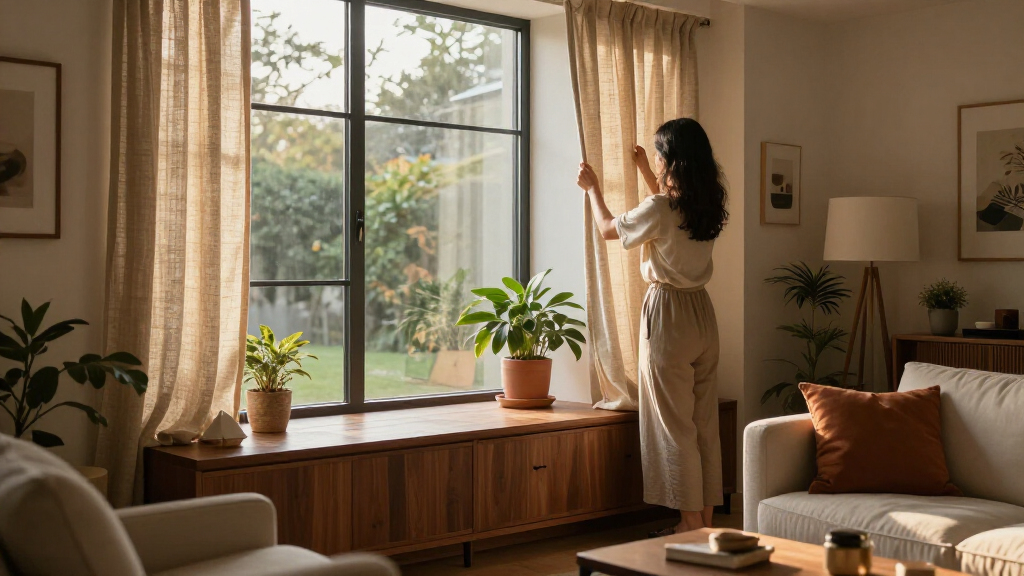
Livingetc’s design report presents six ways designers are using window treatments as part of a room’s visual design, including woven blinds, sheer tie-dye fabric, stained glass, patchwork panels, vintage florals and sculptural shutters. The examples show how materials and light can shape an interior, though the report does not compare costs, performance or suitability across homes.
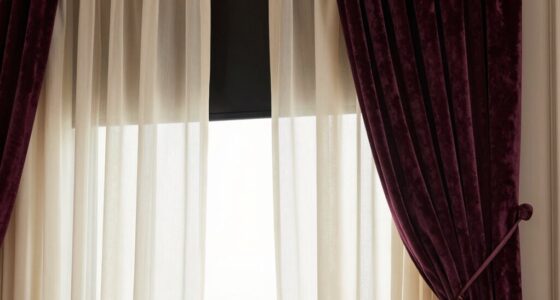
The examples range from a linen-and-paper blind selected by Abbie Naber for a La Quinta project to a tie-dye sheer used by Tamara Kaye-Honey at the Ethel Apartment at HiLight in Battersea. Naber said the blend of fibers in the blind creates a braided look and adds texture against simple plaster walls. Kaye-Honey described the sheer as a soft, diffused surface that shifts with sunlight.
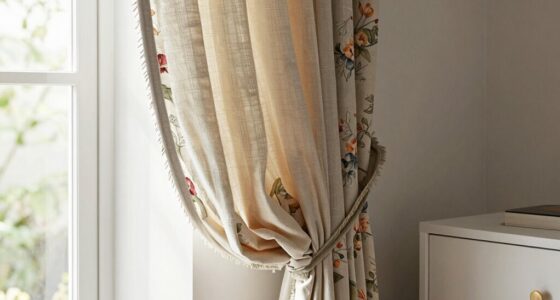
Other approaches include custom stained glass designed by artist Theodore Ellison for a Santa Fe home, a patchwork panel assembled from fabric remnants by the Ome Dezin team, and vintage floral fabric repurposed as Roman blinds in a Bondi Beach apartment by YSG Studio. The sixth idea is a contemporary take on hinged shutters, including abstract and perforated designs. The source does not identify the designer of the shutter examples in its accompanying text.
Livingetc says window treatments can provide privacy and limit the amount of ultraviolet light reaching furnishings and floors, as well as contribute style. These are general functions described by the publication; it gives no product test results or quantified reduction in light or UV exposure for the featured designs.
How Fabric and Glass Shape Rooms
The examples matter to homeowners and designers because they show window coverings being selected for their texture, pattern and interaction with daylight, not solely for blocking views or sun. A sheer can soften incoming light, while a translucent blind or partially raised floral Roman blind can leave some light passing through.
That design choice involves practical trade-offs. The report’s Bondi Beach example deliberately leaves the floral fabric unlined, according to YSG Studio founder Yasmine Ghoniem, to keep a supple edge when the blinds are raised. That choice also means the fabric is not a blackout treatment. The article does not provide standardized guidance on privacy levels, insulation, UV protection or maintenance, so those details would need to be checked for a specific product and room.
Six Approaches in the Report
The report frames modern window treatments as a mix of layering, material choice and light control. Its examples include natural woven fibers, patterned sheers, glass artwork, remnant textiles, vintage fabric and redesigned shutters. They come from separate residential projects and represent individual designers’ choices rather than a survey of the market.
Claudia Afshar of Claudia Afshar Design says the range of available treatments offers more room for creative exploration. Livingetc also points to curtain details such as doubled layers, pelmets, color blocking and sheers. It cautions that abundant fabric can overwhelm a room and advises against eyelet curtains and off-the-shelf roller blinds, but provides no broader industry data to establish how common those styles are or how consumers are responding.
““There is such a variety of options available for window treatments nowadays, allowing way more to explore creatively.””
— Claudia Afshar, Claudia Afshar Design
Performance and Costs Not Compared
The report does not state the price, availability, durability or measured light and UV performance of the featured treatments. It also does not compare how well each option provides privacy, insulation or room darkening. Those outcomes depend on the material, lining, installation and window, but the article supplies no specifications for readers to compare.
The shutter section gives examples of contemporary designs but does not name the designer or provide project details in the text supplied. The source also does not establish that its six approaches are a ranked list or that they represent a wider market trend.
Check Fit Before Choosing Fabric
Readers considering a similar treatment can compare the fabric’s transparency and lining with the room’s needs for privacy and light control, then check dimensions and installation requirements for their windows. The examples in the report are inspiration from completed projects, not product recommendations or a buying guide.
Livingetc’s article points readers to its newsletter for further interior design coverage. No additional report, product launch or follow-up milestone is specified in the source.
Key Questions
What six window treatment ideas does Livingetc feature?
The report features woven natural-fiber blinds, tie-dye sheers, stained glass, patchwork curtains, vintage floral Roman blinds and contemporary shutters.
Do the examples block out light?
Not all of them. The report describes sheer and translucent materials, and YSG Studio’s vintage floral Roman blinds were left unlined. It gives no measured light-blocking data for the examples.
Can window treatments affect furniture and flooring?
Livingetc says treatments can help reduce the level of ultraviolet rays reaching furnishings and floors. The report does not quantify the effect for any featured fabric or design.
Does the report compare prices or product performance?
No. It presents design examples but does not compare cost, durability, privacy, insulation or UV performance.
Source: rss
Fall Picks
fall essentials
As an affiliate, we earn on qualifying purchases.