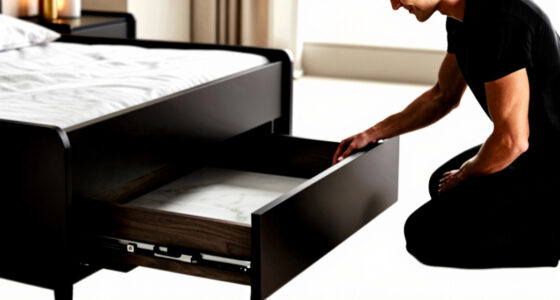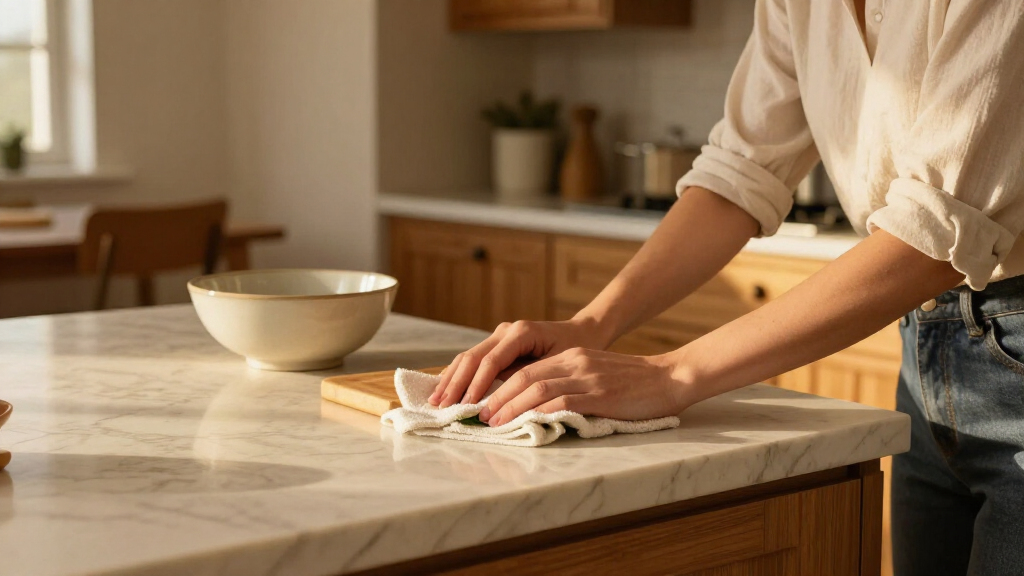
Choosing among these best kitchen countertops comes down to a few practical tradeoffs: finished versus unfinished, a compact counter section versus a full island slab, and the upkeep needs of wood or bamboo. My strongest all-around pick is the finished beech countertop, which arrives with a protective coating on both faces and offers the most clearly stated load and heat limits. For a broader island or table surface, I’d look at the Bme Hevea 72-by-39-inch slab; it gives a DIY project far more coverage, but its unfinished surface and 98-pound weight call for planning. The AllForWood acacia block is the flexible middle ground: a useful 48-by-25-inch footprint and an unfinished surface you can tailor to your kitchen.

Get furniture and decor delivered free — and shop member deals
- Fast, free delivery on millions of items
- Access to Prime Big Deal Days deals on October 6–7
- Prime Video, Amazon Music and more included
These are not interchangeable countertop materials, and none removes the need to plan for moisture, hot cookware, support, and edge sealing. A factory finish reduces early work but can limit the refinishing choices available; an unfinished block lets me choose the finish, while requiring that job before regular kitchen use. I’ve ranked the options by how clearly they suit a real kitchen project, balancing footprint, readiness, customization, and the stated care or installation tradeoffs.
Complete the kit


Key Takeaways
- Finished beech is the easiest starting point: its 30-by-25-inch surface is protected on both faces and has stated heat resistance up to 302°F, though cut edges need resealing.
- Bme Hevea offers the most island coverage: its 72-by-39-inch slab suits a large worktop or table, but weighs 98 pounds and arrives unfinished.
- AllForWood acacia balances area and customization: the 48-by-25-inch block is unfinished, so budget time to seal it before kitchen use.
- Hevea’s 30-by-25-inch block is a small-project choice: it can suit a coffee bar or compact counter section, but its maker warns against prolonged water contact and direct heat.
- Bamboo is the lighter, ready-to-use 48-inch option: it arrives finished and weighs 38.4 pounds, but its 1.2-inch thickness and lack of heat resistance distinguish it from the thicker wood blocks.
| 30 x 25 x 1.5-inch Finished Beech Butcher Block Countertop |  | Best Overall — finished beech for a compact, lower-prep countertop project | Material: Solid beech wood | Dimensions: 30 x 25 x 1.5 inches | Thickness: 1.5 inches | VIEW LATEST PRICE | See Our Full Breakdown |
| Bme Hevea Solid Wood Butcher Block Countertop, Unfinished, 72″ x 39″ x 1.5″ |  | Best for Large Islands — generous coverage for a custom island or worktable | Material: Hevea wood | Dimensions: 72 x 39 inches | Thickness: 1.5 inches | VIEW LATEST PRICE | See Our Full Breakdown |
| AllForWood 48”L x 25”W x 1.5” Thick Acacia Solid Wood Butcher Block Countertop, Unfinished |  | Best Customizable Mid-Size Pick — a useful 48-inch footprint in unfinished acacia | Material: Acacia solid hardwood | Dimensions: 48 x 25 inches | Thickness: 1.5 inches | VIEW LATEST PRICE | See Our Full Breakdown |
| 48×25 Inch Butcher Block Countertop, 1.2 Inch Thick DIY Bamboo Surface |  | Best Ready-to-Use 48-Inch Option — finished bamboo with less weight | Material: Bamboo | Dimensions: 48 x 25 inches | Thickness: 1.2 inches | VIEW LATEST PRICE | See Our Full Breakdown |
| Hevea Butcher Block Countertop, 30″×25″×1.5″ Solid Wood Table Top |  | Best for Small DIY Projects — compact rubberwood with finish choices | Material: Solid rubberwood (Hevea) | Dimensions: 30 x 25 inches | Thickness: 1.5 inches | VIEW LATEST PRICE | See Our Full Breakdown |
| kitchen countertop | Material | Dimensions | Thickness | Finish |
|---|---|---|---|---|
| 30 x 25 x 1.5-inch Finished Be | Solid beech wood | 30 x 25 x 1.5 inches | 1.5 inches | Clear protective finish on both faces |
| Bme Hevea Solid Wood Butcher B | Hevea wood | 72 x 39 inches | 1.5 inches | Unfinished |
| AllForWood 48”L x 25”W x 1.5 | Acacia solid hardwood | 48 x 25 inches | 1.5 inches | Unfinished |
| 48×25 Inch Butcher Block Count | Bamboo | 48 x 25 inches | 1.2 inches | Finished |
| Hevea Butcher Block Countertop | Solid rubberwood (Hevea) | 30 x 25 inches | 1.5 inches | — |
More Details on Our Top Picks
30 x 25 x 1.5-inch Finished Beech Butcher Block Countertop
I rank this finished beech butcher block first because it offers the most balanced combination of a ready-to-use surface and clearly stated kitchen-relevant limits. At 30 by 25 inches and 1.5 inches thick, it is not a full island slab; it is better understood as a compact counter section, coffee-bar top, or small prep station. Its protective finish on both faces gives it an advantage over the unfinished AllForWood and Bme Hevea blocks for buyers who want to reduce initial finishing work.
The listing states support capacity up to 1,100 pounds and heat resistance up to 302°F, two useful distinctions from the other options here, whose supplied specs do not give comparable heat figures. Those numbers do not eliminate the need for proper cabinet support or trivets, and the product’s own limits still matter: edges cut or sanded during fitting need resealing. I would treat the finish as a head start, not a maintenance-free guarantee.
Compared with the 30-by-25-inch Hevea block, this one is the more kitchen-ready choice, especially if avoiding a separate initial stain-and-seal project matters more than having finish options. Compared with the 48-inch bamboo and acacia blocks, it gives up length; compared with the Bme slab, it is far easier to place in a small kitchen. I’d choose it when fit and readiness beat a dramatic uninterrupted surface, and skip it if the plan calls for a large island top or a completely custom finish from bare wood.
Pros:- Protective clear finish on both faces reduces initial finishing work.
- Solid beech construction with a practical 1.5-inch thickness.
- Listing states heat resistance up to 302°F and support capacity up to 1,100 pounds.
- Compact 30-by-25-inch footprint suits small counter sections and coffee bars.
Cons:- Shorter footprint than the 48-inch acacia and bamboo tops or the large Bme Hevea slab.
- Cut or sanded edges need resealing for food-safe use.
- Mounting hardware and cabinetry are not included.
Best for: Buyers furnishing a compact counter section, coffee bar, or small prep area who want a factory-finished surface and stated heat and load specifications.
Not ideal for: Anyone needing a long island surface, a completely unfinished canvas, or a countertop that can be left unmaintained after cutting and installation.
- Material:Solid beech wood
- Dimensions:30 x 25 x 1.5 inches
- Thickness:1.5 inches
- Weight:29.2 pounds
- Finish:Clear protective finish on both faces
- Support capacity:Up to 1,100 pounds, as stated by the listing
- Heat resistance:Up to 302°F, as stated by the listing
- Edge care:Reseal cut or sanded edges
Our verdict“I’d make the finished beech my first choice for a compact kitchen surface where factory finish and clearly stated heat limits matter more than extra length.”
Bme Hevea Solid Wood Butcher Block Countertop, Unfinished, 72″ x 39″ x 1.5″
For a project where surface area is the main requirement, the Bme Hevea slab stands apart. Its 72-by-39-inch dimensions cover far more ground than any other option in this lineup, making it the clearest candidate for a large island, dining-work surface, or expansive DIY counter. The 1.5-inch-thick hevea wood gives the project a substantial wooden top, while its unfinished state leaves the color and final protective treatment in the buyer’s hands.
That size is also the main burden. The slab weighs 98 pounds, so I would plan the route into the room, enlist help for positioning, and check cabinet or island support before ordering. It also requires sanding or other preparation and a suitable finish before it is ready for regular kitchen use. By comparison, the finished beech block is much easier to handle and is a more straightforward pick for a short counter section; it simply cannot supply this island-scale coverage.
Against the 48-inch AllForWood acacia, Bme is the choice for a broad uninterrupted top, not for easy handling or quick installation. The listing describes the hevea as sustainable and well packaged to help prevent warping during transport, but that does not replace checking the slab after delivery or following care guidance. I’d rank it second because its footprint is exceptional for the right project, but the weight and finishing workload make it a less universal recommendation than the ready-finished beech.
Pros:- Largest surface in this group at 72 by 39 inches.
- Solid hevea wood and 1.5-inch thickness suit a substantial custom top.
- Unfinished surface allows the buyer to choose stain and protective finish.
- Can serve an island, table, or workspace rather than only a short counter run.
Cons:- At 98 pounds, it needs careful handling and likely assistance during installation.
- Unfinished surface needs preparation and sealing before routine kitchen use.
- The large footprint may not suit standard or compact counter layouts.
Best for: DIY renovators building a large kitchen island, worktable, or broad counter surface who can manage a heavy slab and finish it themselves.
Not ideal for: Small kitchens, solo installers, or buyers who need a finished top they can place with little preparation.
- Material:Hevea wood
- Dimensions:72 x 39 inches
- Thickness:1.5 inches
- Weight:98 pounds
- Finish:Unfinished
- Typical applications:Kitchen island, table, or workspace
- Finish preparation:Buyer must prepare and seal the surface
Our verdict“I’d choose the Bme Hevea when a large custom island top matters more than easy handling or a ready-finished surface.”
AllForWood 48”L x 25”W x 1.5” Thick Acacia Solid Wood Butcher Block Countertop, Unfinished
The AllForWood acacia block lands in a practical middle ground: its 48-by-25-inch footprint is long enough for a useful counter section or modest island extension, without the scale and handling burden of the Bme Hevea slab. At 1.5 inches thick, it keeps the substantial profile shared by the beech and Hevea blocks, and the unfinished acacia lets a DIY buyer choose a color and protective treatment that fit the room.
Customization comes with a non-negotiable first step. The surface needs to be finished before normal kitchen use; left unsealed, it may be vulnerable to staining or damage. That makes this a less convenient choice than the finished beech and bamboo tops, which arrive with a surface coating. Its listing also describes the acacia as resistant to heat, impacts, and scratches, but gives no numeric heat limit or maintenance schedule. I would not interpret that general description as permission to set hot pans directly on the wood or leave spills unattended.
The stated 300-pound load capacity is useful planning information, although safe performance still depends on proper support and installation. Compared with the 30-inch Hevea, AllForWood gives more length; compared with the 48-inch bamboo, it is thicker and made of solid acacia, but it takes more finishing work and is listed as heavy enough to be difficult to handle alone. This is my pick for a buyer who wants a mid-size solid-wood surface and has the time and space to finish it properly.
Pros:- 48-by-25-inch footprint offers more length than the compact 30-inch blocks.
- Solid acacia hardwood with a 1.5-inch thickness.
- Unfinished surface allows a tailored stain and protective treatment.
- Listing states a load capacity up to 300 pounds.
Cons:- Must be sealed before routine kitchen use to help guard against stains and damage.
- Heavy weight can make solo handling difficult.
- No numeric heat-resistance limit is provided.
Best for: DIY buyers who need a 48-inch solid-wood countertop section and want to select their own stain or protective finish.
Not ideal for: Anyone who needs a ready-to-use surface, wants a lightweight piece to install alone, or does not want to maintain a wood finish.
- Material:Acacia solid hardwood
- Dimensions:48 x 25 inches
- Thickness:1.5 inches
- Finish:Unfinished
- Load capacity:Up to 300 pounds, as stated by the listing
- Customization:Can be finished with a buyer-selected treatment
- Uses:Kitchen countertop, island, or DIY project
Our verdict“I’d choose AllForWood for a mid-size, customizable solid-wood top when I’m prepared to finish it before installation.”
48×25 Inch Butcher Block Countertop, 1.2 Inch Thick DIY Bamboo Surface
This finished bamboo countertop pairs the same 48-by-25-inch footprint as the AllForWood acacia with a different balance: it arrives finished and weighs 38.4 pounds, while its thickness is just 1.2 inches. That makes it a plausible fit for a buyer who wants a longer top without first sanding and sealing an unfinished block. Its listed weight also makes it easier to manage than the 98-pound Bme Hevea slab, although a second person may still be useful for positioning and securing a countertop safely.
The key compromise is care around heat and water. The product information explicitly says it is not heat resistant and cannot be used as a heat shield, so I would keep hot cookware away and use protective pads. Bamboo can also be damaged by water without proper maintenance; cutting or refinishing exposes areas that need resealing. The finished surface is a convenience at the start, not a reason to ignore spill cleanup or upkeep.
Compared with AllForWood, this is the more ready-to-place pick but the thinner one, with a stated heat restriction and less room for a buyer to begin from a bare surface. Compared with the finished beech, it gives substantially more length but lacks the beech’s stated heat-resistance figure and 1.5-inch thickness. I’d select bamboo where a 48-inch surface and reduced initial finishing work matter most, and skip it if the counter will face frequent hot-pan contact or persistent moisture.
Pros:- Finished surface avoids the initial finishing step required by unfinished wood blocks.
- 48-by-25-inch footprint provides useful counter length.
- 38.4-pound listed weight is lighter than the 98-pound Bme slab.
- Can be cut, drilled, sanded, and resealed for a tailored fit.
Cons:- Listing says the surface is not heat resistant and cannot act as a heat shield.
- At 1.2 inches thick, it is thinner than the 1.5-inch wood options.
- Cut or refinished areas need resealing, and water exposure can cause damage.
Best for: Buyers seeking a finished 48-by-25-inch surface that weighs less than the large Hevea slab and can be customized by cutting or drilling.
Not ideal for: Kitchens where hot cookware may be placed directly on the counter, or where regular water exposure and low-maintenance care are priorities.
- Material:Bamboo
- Dimensions:48 x 25 inches
- Thickness:1.2 inches
- Weight:38.4 pounds
- Finish:Finished
- Heat guidance:Not heat resistant; do not use as a heat shield
- Customization:Can be cut, drilled, sanded, and resealed
Our verdict“I’d pick this bamboo top for a finished 48-inch surface when lower initial prep matters more than heat tolerance or extra thickness.”
Hevea Butcher Block Countertop, 30″×25″×1.5″ Solid Wood Table Top
The 30-by-25-inch Hevea butcher block is the compact, adaptable option in this group. Its 1.5-inch solid rubberwood surface can suit a small counter section, coffee station, or DIY worktop where a full 48-inch piece would create unnecessary cuts or overhang. It is available unfinished or walnut-stained, giving it more stated finish choice than the unfinished AllForWood acacia, though buyers should check which version they are selecting and what care it needs.
This is not the strongest choice for a demanding cooking zone. The listing warns against direct heat and long-term water contact, and unfinished stock needs sanding before final finishing. Those caveats matter more on a kitchen counter than on a desk or shelf, so I’d use a suitable protective finish and keep water from sitting on the surface. The stated support limit is 300 pounds when properly installed, but that figure should not be read as a replacement for a stable base or correct mounting.
Compared with the finished beech block, this Hevea option offers a walnut-stained finish choice but lacks the beech listing’s stated heat resistance and higher load figure. It is also the same compact footprint, so it does not gain the extra working length of the 48-inch bamboo or acacia. I rank it fifth because its versatility across furniture and DIY projects is appealing, but the direct-heat and water cautions make it a more conditional kitchen recommendation than the picks above.
Pros:- Compact 30-by-25-inch size suits small counter or coffee-bar projects.
- Solid rubberwood with a 1.5-inch thickness.
- Available unfinished or walnut-stained, according to the listing.
- Can be cut, sanded, stained, and sealed for DIY use.
Cons:- Not designed for direct heat or long-term water contact.
- Unfinished version requires sanding and finishing before kitchen use.
- Shorter working surface than the 48-inch options and the large Bme slab.
Best for: Buyers making a small counter section, coffee bar, desk, or shelf who want solid rubberwood and a choice of unfinished or walnut-stained finish.
Not ideal for: Anyone seeking a large countertop, frequent direct contact with hot cookware, or a surface that can tolerate standing water.
- Material:Solid rubberwood (Hevea)
- Dimensions:30 x 25 inches
- Thickness:1.5 inches
- Finish options:Walnut-stained finished or unfinished
- Support weight:Up to 300 pounds when properly installed
- Model number:XJM-30
- Care limits:Avoid direct heat and long-term water contact
- Included components:Countertop and care guide
Our verdict“I’d choose this Hevea block for a compact, carefully maintained DIY surface, not for a high-heat or frequently wet prep area.”

How We Picked
I ranked these options as kitchen countertop surfaces, not as generic boards or furniture panels. That means I weighed whether a product’s dimensions suit a plausible counter or island job, what finishing work remains, and how clearly the provided information addresses everyday kitchen concerns. A large slab can be the right answer for an island while being a poor match for a small galley kitchen; I treated fit as a real difference, not a bonus that every buyer needs.
I also compared the finish and care burden. The beech and bamboo options arrive finished, while the AllForWood acacia and Bme Hevea blocks are unfinished, and the Hevea listing also offers a walnut-stained finished option. A finished surface saves setup time, but cut edges still need suitable protection and the supplied descriptions do not make every finish’s maintenance schedule clear. Unfinished wood offers more control over appearance and sealing, but should not be treated as ready for routine spills or food preparation without an appropriate finish.
Finally, I gave weight to the stated size, thickness, support, and heat details while avoiding claims that the product information does not establish. For example, a stated load capacity is not a substitute for a properly supported cabinet base, and a heat-resistance figure is not a promise that cookware can be placed on the surface without damage. These rankings are most useful as a shortlist: buyers should confirm cabinet dimensions, installation requirements, finish suitability, and care instructions before committing.
| kitchen countertop | Material | Finish |
|---|---|---|
| 30 x 25 x 1.5-inch Finished Be | Solid beech wood | Clear protective finish on both faces |
| Bme Hevea Solid Wood Butcher B | Hevea wood | Unfinished |
| AllForWood 48”L x 25”W x 1.5 | Acacia solid hardwood | Unfinished |
| 48×25 Inch Butcher Block Count | Bamboo | Finished |
| Hevea Butcher Block Countertop | Solid rubberwood (Hevea) | — |
Factors to Consider When Choosing Best Kitchen Countertops
I’d make the countertop choice by working from the project outward: first match the slab to the cabinet footprint, then decide how much finishing work you can take on, and finally check the surface’s care limits. A material name alone does not say whether a top is ready for spills, hot pans, or food preparation.Measure the working area before choosing a slab
Start with the usable cabinet or island dimensions, including overhangs, seams, sink or cooktop openings, and any end panels. The products here range from 30-by-25-inch blocks to a 72-by-39-inch slab, so they solve different layout problems. The Bme Hevea is the clear island-scale option; it may be excessive for a compact counter, where the beech or small Hevea can reduce offcuts. Both 48-inch tops fit between those extremes.
Check access as well as the final measurements. A large or heavy panel may be difficult to bring through a doorway or turn inside a kitchen. The Bme slab is listed at 98 pounds, while the bamboo is 38.4 pounds. Leave enough room to position the piece safely, and confirm the cabinets can support the surface. A stated load capacity describes a product claim, not a complete installation plan.
Decide whether you want a finished or unfinished surface
Finished countertops reduce initial prep, which is why the beech and bamboo options suit buyers seeking a quicker setup. The Hevea block is offered in finished walnut-stained and unfinished versions, so check the exact selection. Finishes can still require upkeep, and cutting or sanding through the coating exposes areas that need suitable protection.
Unfinished acacia and Hevea make more sense when I want to choose the tone and sealing approach myself. That flexibility means extra labor: preparation and an appropriate finish should come before normal kitchen use. The product listings do not specify a single finish suited to every use, so follow the manufacturer’s care instructions and select a coating intended for the way the counter will be used.
Match thickness and material to everyday habits
Four products here are listed at 1.5 inches thick; the bamboo is 1.2 inches. Thickness can affect the visual profile and how the piece meets cabinetry, but it does not by itself prove resistance to damage. Check whether the chosen slab will sit flush with appliances or backsplash details and whether the mounting setup suits its dimensions.
Material and finish also shape day-to-day care. The beech listing gives a heat-resistance figure, while the bamboo listing says it is not heat resistant and the Hevea listing warns against direct heat. For any wood or bamboo surface, I’d use trivets unless the manufacturer specifically approves direct contact. Spills, standing water, and damp edges deserve attention too; none of these descriptions supports treating the surface as impervious.
Plan for cutting, edge sealing, and installation
DIY-friendly does not mean installation-free. Before trimming a top, mark all openings and finished edges, confirm the cut will leave enough usable support, and plan to seal any exposed wood or bamboo. The beech listing specifically calls for resealing edges that are cut or sanded for food safety; the bamboo likewise needs resealing after cutting or refinishing. Unfinished slabs need a full finishing plan, not just edge treatment.
Also confirm what is included. The beech description says cabinetry and mounting hardware are not included, while the Hevea 30-inch block lists a care guide. Do not assume a countertop arrives with brackets, fasteners, or a complete installation kit unless the seller states that directly. Heavy pieces may need more than one person to position, and cabinets should be level and adequately supported before the top goes on.
Choose the tradeoff that fits your kitchen
If I needed a compact surface with a protective finish and a stated heat limit, I’d start with the finished beech. For the biggest custom island, I’d accept the weight and finishing work of the Bme Hevea. AllForWood is the mid-size option for a buyer who wants solid acacia and finish control; bamboo offers a finished 48-inch surface with explicit heat and water-care cautions. The compact Hevea is best treated as a small project surface rather than the default choice for every kitchen.
Before buying, compare the exact dimensions with your cabinets, review the selected finish variant, and confirm current care and installation guidance with the manufacturer. If the counter will see frequent water or heat exposure, choose based on explicit product guidance and plan protective habits rather than relying on broad claims about wood durability.
Frequently Asked Questions
Which countertop in this group is best for a small kitchen?
I’d start with the finished beech if the kitchen needs a compact 30-by-25-inch section and I want to avoid finishing the broad faces before installation. The 30-inch Hevea is a similar size and gives a walnut-stained finish option, but its listing warns against direct heat and long-term water contact. Measure the actual cabinet run first: neither compact top replaces a full-length counter without a seam or a different layout.
Which option is the best fit for a kitchen island?
For a large island, the Bme Hevea at 72 by 39 inches provides the most coverage in this selection. It is unfinished and weighs 98 pounds, so I’d plan for finishing, safe handling, and adequate cabinet support before ordering. A smaller island or peninsula may be better served by the 48-inch AllForWood or bamboo tops, which take up less space and are easier to plan into a compact layout.
Can I place hot pots directly on these countertops?
I would not assume that any wood or bamboo top is a safe landing spot for hot cookware. The finished beech listing states heat resistance up to 302°F, while the bamboo listing specifically says it is not heat resistant and the compact Hevea listing warns against direct heat. For the acacia and large Hevea, the supplied details do not provide a numeric heat limit. Use trivets and follow the manufacturer’s care directions rather than treating a general durability description as a hot-pan guarantee.
Do unfinished butcher block countertops need sealing?
Yes, I would plan to prepare and seal an unfinished countertop before routine kitchen use. The AllForWood acacia and Bme Hevea arrive unfinished, and the smaller Hevea’s unfinished version needs sanding before final finishing. Choose a finish suited to the intended use, follow its application and curing instructions, and protect cut edges. Finished products also need care, and any area cut or sanded after purchase may need resealing.
Which countertop is easiest to customize?
The unfinished AllForWood acacia and large Bme Hevea give buyers a bare surface for selecting a finish, while the Hevea 30-inch block offers an unfinished version as well as a walnut-stained option. The bamboo is described as easy to cut, drill, and customize, but changes to its finished surface require resealing. For any option, confirm that the planned cuts and modifications are compatible with the product and leave it properly supported.
Conclusion
My recommendations depend on the project. For a compact counter or coffee bar with less initial prep, I’d choose the finished beech, while remembering to reseal modified edges. For a large island or worktable, the Bme Hevea offers the broadest surface if you can handle a heavy, unfinished slab. For a mid-size custom wood top, AllForWood’s acacia balances useful length with finish control. Buyers wanting a finished 48-inch surface can consider bamboo if they are ready to protect it from heat and water; a small DIY or furniture project is where the compact Hevea makes the most sense.
Before settling on any of them, I’d match the footprint to the cabinets, check installation support, and read the current instructions for finish and care. The best kitchen countertop here is the one whose size and maintenance demands fit the kitchen—not simply the one with the largest slab or the most impressive spec.
Fall Picks
fall essentials
As an affiliate, we earn on qualifying purchases.