Choosing among the best home design products is less about finding one universal style and more about deciding what kind of help you need: a practical plan, fresh decorating ideas, or inspiration for a more personal home. I’d start with The Interior Design Handbook for broad furnishing and styling guidance, The Functional Home for intentional space planning, and The Art of Home for an approachable, image-led look at elevated design. Each serves a different stage of a project, so the right choice depends on whether you need direction, atmosphere, or a framework for making decisions.

Get furniture and decor delivered free with Prime
- Fast, free delivery on millions of items
- Prime Video, Amazon Music and more included
- Member-only deals all year
The tradeoff is that the supplied product details vary: some titles come with a clear description of their focus, while others have little detail beyond the title. I’ve ranked these options by the usefulness their stated scope suggests, how clearly they may support a buyer’s design goal, and how much uncertainty remains. That means I’m treating specificity of guidance as a strength and avoiding claims about features that have not been provided. These are books for shaping home design choices, not furnishings or tools that change a room by themselves.
Complete the kit


Key Takeaways
- I rank The Interior Design Handbook first for its broad remit across furnishing, decorating, and styling, making it the most adaptable starting point in this lineup.
- The Functional Home is my planning-focused pick: its stated emphasis on intentional living spaces makes it better suited to layout-minded readers than a primarily inspirational guide.
- The Art of Home has the clearest described visual and practical mix, but its conceptual approach may leave absolute beginners wanting more step-by-step instruction.
- Call It Home centers on comfort and personal details, while Homebody puts inviting, comfortable spaces at the heart of its promise; choose between them by the kind of atmosphere you want to develop.
- Product information is limited for several titles, so I favor the books with clearer stated purposes and recommend checking current contents before buying if you need a specific method or room-by-room plan.
| The Interior Design Handbook: Furnish, Decorate, and Style Your Space | 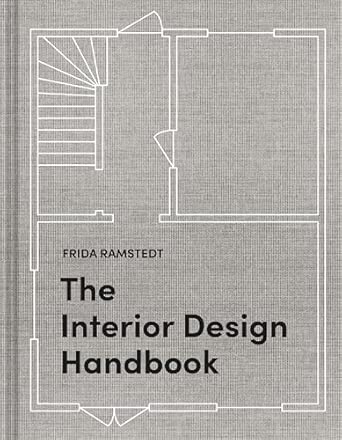 | Best Overall | Format: Book | Stated focus: Interior design | Named activities: Furnishing, decorating, and styling | VIEW LATEST PRICE | See Our Full Breakdown |
| The Functional Home: A Practical Guide to Planning Intentional Living Spaces |  | Best for Space Planning | Format: Book | Stated focus: Planning intentional living spaces | Positioning: Practical guide | VIEW LATEST PRICE | See Our Full Breakdown |
| The Art of Home: A Designer Guide to Creating an Elevated Yet Approachable Home |  | Best for Visual Inspiration | Format: Illustrated guide | Stated focus: Creating an elevated yet approachable home | Visual element: Full-color photography | VIEW LATEST PRICE | See Our Full Breakdown |
| Call It Home: The Details That Matter | 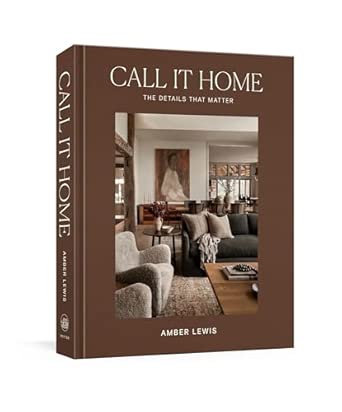 | Best for Personal, Considered Details | Format: Book | Stated focus: Comfortable, personalized living spaces | Design emphasis: Details that shape a home | VIEW LATEST PRICE | See Our Full Breakdown |
| Homebody: A Guide to Creating Spaces You Never Want to Leave |  | Best for a Cozy, Inviting Mood | Format: Book | Stated focus: Creating comfortable, inviting spaces | Intended setting: Home | VIEW LATEST PRICE | See Our Full Breakdown |
| home design product | Format | Stated focus | ASIN | Intended setting |
|---|---|---|---|---|
| The Interior Design Handbook: | Book | Interior design | 0593139313 | Home |
| The Functional Home: A Practic | Book | Planning intentional living spaces | 1577155882 | Home living spaces |
| The Art of Home: A Designer Gu | Illustrated guide | Creating an elevated yet approachable home | 078523683X | — |
| Call It Home: The Details That | Book | Comfortable, personalized living spaces | 0593235525 | — |
| Homebody: A Guide to Creating | Book | Creating comfortable, inviting spaces | 006280197X | Home |
More Details on Our Top Picks
The Interior Design Handbook: Furnish, Decorate, and Style Your Space
The Interior Design Handbook takes the broadest position in this group: its title promises guidance across furnishing, decorating, and styling, three connected tasks that often get treated as separate decisions. That range makes it my best overall choice for someone who wants one book to help organize a home project rather than a resource focused only on atmosphere or a single design stage. Compared with The Functional Home, its scope sounds less specifically centered on planning intentional layouts; compared with The Art of Home, the supplied information does not establish a particular emphasis on photography or professional design concepts.
That breadth is also the central tradeoff. A guide covering several aspects of design may be useful as a general starting point, but the available description does not tell me how deeply it handles any one topic or whether it supplies step-by-step methods. I would choose it when I need a wide-ranging reference for decisions about furniture, decoration, and styling, then check the book’s contents if I need detailed help with a particular room or technical challenge. It is the lineup’s most flexible-sounding option, but not a proven substitute for a specialized layout manual.
Pros:- The stated scope covers furnishing, decorating, and styling.
- Its broad subject range makes it a flexible starting point.
- The title makes its practical home-design focus clear.
- It can suit readers who want to connect several design decisions in one resource.
Cons:- No additional description or contents information was supplied.
- The depth and method of its guidance cannot be confirmed from the available details.
- Readers with a narrow planning or styling need may prefer a more clearly specialized title.
Best for: Readers seeking one general home design guide spanning furniture choices, decorating, and styling.
Not ideal for: Buyers who need a verified, step-by-step room plan or detailed instructions for a specific design problem.
- Format:Book
- Stated focus:Interior design
- Named activities:Furnishing, decorating, and styling
- Intended setting:Home
- Approach:Practical, based on the title
- Additional description:Not provided
- ASIN:0593139313
Our verdict“I rank it first for the widest stated design scope, while advising detail-seeking buyers to verify its contents before relying on it for a specific project.”
The Functional Home: A Practical Guide to Planning Intentional Living Spaces
The Functional Home is the clearest pick here for readers who want their design decisions to start with how a home is planned and used. Its description explicitly calls it a practical guide to planning intentional living spaces, giving it a more focused promise than the wider furnishing-and-styling remit of The Interior Design Handbook. That distinction matters if you are trying to make rooms work deliberately rather than simply add decorative touches.
Its narrow focus is a strength for a layout-minded buyer, but the supplied description does not explain the actual planning process, the rooms covered, or whether the book includes diagrams or exercises. I would not assume it offers technical measurements or a complete renovation method. Compared with Homebody, which is framed around comfort and inviting spaces, this title appears more concerned with intention and function than mood. Choose it when the core question is how to plan a living space; skip it if you mainly want visual styling cues or a broad survey of decor.
Pros:- Its description directly identifies planning as the central task.
- The focus on intentional spaces sets it apart from atmosphere-led options.
- The practical framing suits readers who want design choices to serve daily use.
- It offers a more focused alternative to a broad decorating-and-styling handbook.
Cons:- The available description gives no detail about its planning method.
- Its stated scope may be narrower than a general decorating guide.
- No room list, visual features, or technical tools are specified.
Best for: Readers organizing a home project around the purpose and use of their living spaces.
Not ideal for: Readers mainly seeking a visual decor showcase, detailed product recommendations, or confirmed technical planning instructions.
- Format:Book
- Stated focus:Planning intentional living spaces
- Positioning:Practical guide
- Intended setting:Home living spaces
- Design emphasis:Function and intention
- Additional description:No further details provided
- ASIN:1577155882
Our verdict“I’d choose this over the broader handbook when space planning is the main challenge, but I would check the contents for the level of practical detail first.”
The Art of Home: A Designer Guide to Creating an Elevated Yet Approachable Home
The Art of Home has the richest supplied description of the five books. It is presented as an illustrated guide that blends high-end design concepts with practical ideas, with photography and advice on styling, color palettes, and layout planning spanning a range of rooms and design styles. That combination gives it a useful middle position: it sounds more visually grounded than the minimally described titles, while still aiming to make design ideas accessible for everyday spaces.
Compared with The Interior Design Handbook, its stated strength is a more explicit mix of professional perspective and visual inspiration; compared with The Functional Home, it pairs layout planning with styling and color rather than centering the promise on planning alone. The supplied drawback is meaningful: its concepts may not satisfy absolute beginners who need step-by-step instructions. I would pick it to build a visual direction and understand how an elevated look might be adapted at home, not as a guaranteed instruction manual for executing every decision.
Pros:- The description identifies full-color photography as a source of visual inspiration.
- It addresses styling, color palettes, and layout planning.
- Its stated approach joins high-end concepts with everyday accessibility.
- The description says it covers a range of rooms and design styles.
Cons:- Its conceptual approach may not provide enough step-by-step help for beginners.
- The supplied information does not specify the depth of its planning guidance.
- Readers who prefer a tightly focused functional guide may find its wide design scope less direct.
Best for: Readers who want design inspiration, professional perspective, and accessible ideas across different rooms and styles.
Not ideal for: Absolute beginners who need detailed, sequential instructions for planning and completing a project.
- Format:Illustrated guide
- Stated focus:Creating an elevated yet approachable home
- Visual element:Full-color photography
- Topics named:Styling, color palettes, and layout planning
- Room coverage:A wide range of rooms
- Style coverage:A wide range of design styles
- Approach:Professional concepts presented for everyday living
- ASIN:078523683X
Our verdict“I recommend it for visual direction and approachable design ideas, but beginners who need a detailed sequence should look for more explicit instruction.”
Call It Home: The Details That Matter
Call It Home: The Details That Matter is aimed at the part of design that makes a space feel personal and comfortable. Its supplied description highlights nuanced choices and design elements that can help a house feel like a home, so I see it as a strong fit for readers who already have a basic sense of what they like and want to refine the details. Unlike The Functional Home, it is not described as a planning-first resource; its promise is more about the character created through thoughtful design choices.
The limitation is that the description stays broad. It does not name particular rooms, methods, or examples, so I can’t confirm how the book turns its ideas into actions. That leaves it less clearly useful as a first project guide than The Interior Design Handbook, whose title names furnishing, decorating, and styling. Its personal, comfort-oriented angle may be more appealing than the visual and professional framing of The Art of Home if your main aim is a home that feels like yours rather than a particular elevated look. Choose it for that emphasis, with realistic expectations about how much instruction the supplied details confirm.
Pros:- Its stated focus is comfort and personal character.
- It highlights how design details can shape the feeling of a home.
- The emphasis differs from a function-first planning guide.
- It may suit readers refining an existing space rather than starting with layout.
Cons:- The supplied description does not identify specific techniques or chapters.
- Its practical depth cannot be established from the available information.
- It is less clearly positioned as a broad, task-by-task reference than The Interior Design Handbook.
Best for: Readers who want to focus on the thoughtful details that make a home feel comfortable and personal.
Not ideal for: Buyers seeking a clearly specified layout method, technical guidance, or confirmed step-by-step decorating instructions.
- Format:Book
- Stated focus:Comfortable, personalized living spaces
- Design emphasis:Details that shape a home
- Intended outcome:A more personal home
- Approach:Attention to design nuances
- Specific techniques:Not stated
- ASIN:0593235525
Our verdict“I’d select it for a comfort-led, personal design perspective, not when the main need is a clearly documented planning process.”
Homebody: A Guide to Creating Spaces You Never Want to Leave
Homebody makes its appeal through atmosphere: the description centers on creating comfortable, inviting spaces at home. That gives it a distinct role beside Call It Home, which focuses on personal details and the elements that make a house feel like home. Homebody’s promise is broader and more explicitly about the experience of spending time in a room, while Call It Home sounds more attentive to the particulars that give a space individual character.
For readers who prioritize a welcoming home, that emphasis may be exactly right. However, the supplied description does not provide additional detail about methods, styling subjects, room coverage, or how the book develops its ideas. In that respect, it is harder to judge as a practical resource than The Art of Home, whose description names color, layout, photography, and a range of rooms. I’d select Homebody when comfort and invitation are the design goals, but I would not expect a confirmed technical planning guide based on the information available.
Pros:- Its description makes comfort and invitation the central goals.
- The atmosphere-led role differs from the planning focus of The Functional Home.
- It offers a clear choice for readers who care most about how a home feels.
- Its scope appears applicable to creating welcoming spaces at home.
Cons:- No additional product details were supplied beyond its general description.
- Specific methods, topics, and room coverage are not identified.
- It is less clearly suited to buyers seeking a broad, documented design reference.
Best for: Readers shaping rooms around comfort, warmth, and an inviting feel.
Not ideal for: Readers who need verified technical layout advice, a detailed decorating sequence, or a clearly documented visual scope.
- Format:Book
- Stated focus:Creating comfortable, inviting spaces
- Intended setting:Home
- Design emphasis:Comfort and atmosphere
- Specific methods:Not stated
- Room coverage:Not stated
- ASIN:006280197X
Our verdict“I’d choose Homebody for a comfort-first design goal, while readers needing defined styling or planning guidance have clearer alternatives in this lineup.”

How We Picked
I compared these five titles as home design resources, not as interchangeable coffee-table books. My ranking considers the stated scope of each book, the type of design problem it appears intended to address, and whether the available description gives a reader a clear reason to choose it over the others. A guide covering furnishing, decorating, and styling earns a different place from one centered on planning or creating a comfortable atmosphere.
I also accounted for how much product information was supplied. The Art of Home has a description that identifies photography, styling, color palettes, layout planning, and an approachable take on professional design ideas. Other entries have a shorter description or no additional details. I don’t infer chapter lists, exercises, formats, page counts, or specific techniques where they were not provided. That restraint matters: a title can sound promising without the available information proving it offers a particular level of instruction.
Finally, I ranked by decision usefulness. My leading pick is the one whose stated scope appears to serve the widest set of home design tasks. The next choices earn their places through a distinct planning, inspiration, or comfort-oriented role. A more narrowly framed title can still be the best match for a reader with a specific goal, even if it is not my most versatile recommendation. I call out drawbacks alongside strengths so readers can match a book to their needs instead of assuming one guide will suit every project.
| home design product | Format | Stated focus | Intended setting | Approach |
|---|---|---|---|---|
| The Interior Design Handbook: | Book | Interior design | Home | Practical, based on the title |
| The Functional Home: A Practic | Book | Planning intentional living spaces | Home living spaces | — |
| The Art of Home: A Designer Gu | Illustrated guide | Creating an elevated yet approachable home | — | Professional concepts presented for everyday living |
| Call It Home: The Details That | Book | Comfortable, personalized living spaces | — | Attention to design nuances |
| Homebody: A Guide to Creating | Book | Creating comfortable, inviting spaces | Home | — |
Factors to Consider When Choosing Best Home Design Products
I’d choose a home design book by the job I need it to do, not by a broad promise to improve a room. These titles point toward different jobs: planning a functional space, styling and furnishing, building a personal atmosphere, or developing a visual direction. Before choosing, decide which of those is holding up your project and how much instruction you need.
Start with the design problem, not the style label
If furniture placement and room use are your first concerns, The Functional Home has the most direct stated connection to intentional planning. If you are juggling several kinds of decisions—from furnishings to finishing touches—The Interior Design Handbook has the broadest stated remit. For someone who has a functional room but wants it to feel more welcoming, Homebody and Call It Home point toward comfort and personal character instead.
I would write down the decision I need help making before I buy. “How should this room work?” suggests a planning guide. “How do I pull the look together?” suggests a styling resource. “How can this feel more like my home?” points toward a personal or comfort-led book. Matching the question to the description lowers the risk of choosing an appealing title that does not address the problem in front of you.
Decide how much instruction you need
The difference between inspiration and instruction can shape whether a book is useful once you begin making decisions. The Art of Home is described as combining photography and practical ideas with professional design concepts, but its supplied drawback notes that absolute beginners may want more step-by-step help. The Functional Home is called practical, though the details provided do not confirm its methods or level of instruction. I would check sample pages or a contents list if you need a process you can follow in order.
Readers who are comfortable adapting ideas may get more from a conceptual guide than someone who wants every decision explained. Conversely, a highly structured resource may feel restrictive if you are browsing for inspiration. Be honest about whether you want to learn a design framework, gather visual references, or simply find a clearer direction.
Separate visual inspiration from practical breadth
The Art of Home has the clearest visual description here, including full-color photography, multiple rooms, and design styles. That can help readers identify a mood or see how color and styling ideas might translate into a lived-in home. The Interior Design Handbook is described through the breadth of its tasks—furnishing, decorating, and styling—rather than a stated photography or visual approach.
Neither emphasis automatically makes a book better. Visual references can help when you are struggling to define a look, while a broad set of design topics may be more useful when you have several practical decisions to make. If you need both, look for evidence in the contents and sample pages rather than assuming a title’s range guarantees detailed coverage.
Match the book to the stage of your project
Early in a project, a planning-led title may help you clarify how a room should function before you focus on its decorative details. During furnishing and styling, the broad remit of The Interior Design Handbook may feel more relevant. When the layout is settled and the remaining challenge is personality or atmosphere, the comfort-led framing of Call It Home or Homebody may fit better.
These stages can overlap, and you do not need to follow them in a fixed order. Still, knowing whether you are starting from an empty room, revising an existing layout, or finishing a space can help you avoid buying a book whose central concern comes too early—or too late—for your needs.
Treat limited product information as a buying factor
For several titles here, the supplied details are brief. That does not establish that a book lacks useful content; it means I cannot verify particular methods, room coverage, or visual features from the information available. Check the contents, sample pages, and edition details when a specific feature matters to your decision, especially if you need technical layout help or instruction for a particular room.
This is why my ranking favors clearly stated scope without pretending that missing details have been confirmed. A buyer choosing from limited information should be wary of reading too much into a title alone. Let the described focus narrow the options, then use available previews to confirm the depth and format fit.
Think about how you like to make design decisions
Some readers decide best by seeing examples; others want a clear sequence or a practical framework. The full-color photography mentioned for The Art of Home may appeal to visual thinkers. The Functional Home’s planning language may speak to readers who prefer to begin with use and purpose. Meanwhile, the personal and comfort-led descriptions of Call It Home and Homebody may resonate with buyers who start with how a space should feel.
Consider whether you want a book to sit beside a project as a reference or to help you form an overall vision. The broad handbook sounds like the most adaptable choice for several design tasks, but a book with a narrower emotional or planning focus could be a better match if you already know what is missing from your home.
Frequently Asked Questions
Which of these home design books is the best starting point?
I’d start with The Interior Design Handbook if you want a broad guide whose title covers furnishing, decorating, and styling. If you already know that your main challenge is planning how rooms function, The Functional Home has a more focused stated purpose. The best starting point depends on the decision you need help with, and the available details do not confirm the depth of every book’s instructions.
Which title is most clearly focused on planning living spaces?
The Functional Home is the clearest planning-led choice because its description specifically identifies planning intentional living spaces. The Art of Home also names layout planning among its subjects, but its description combines that with styling, color, photography, and broader design inspiration. I’d choose the former for a planning-first focus and the latter for a wider visual and practical mix.
Which book should I choose if I want visual inspiration?
The Art of Home has the strongest stated visual credentials in this comparison: its description mentions full-color photography and coverage of multiple rooms and design styles. That makes it the most clearly supported choice for readers who want to explore visual direction alongside ideas about styling, color, and layout. Its described conceptual approach may not replace step-by-step instruction for a beginner.
Are Call It Home and Homebody too similar to choose between?
They share an interest in making home feel comfortable, but their stated angles differ. Call It Home emphasizes personal character and the details that can make a house feel like home, while Homebody centers on comfortable, inviting spaces. I’d lean toward Call It Home if personal details are your focus and Homebody if you are prioritizing an overall welcoming atmosphere; the supplied descriptions do not provide enough detail to compare their specific methods.
Can I rely on these books for step-by-step decorating instructions?
The available product descriptions do not confirm that all five books provide step-by-step directions. The Art of Home is specifically noted as potentially too conceptual for absolute beginners seeking that kind of instruction, while other entries lack enough detail to establish their methods. If you need a guided sequence, check a current contents list or sample pages before choosing, and look for explicit exercises or process guidance rather than relying on a title alone.
Conclusion
For the widest stated range of design tasks, I recommend The Interior Design Handbook. Choose The Functional Home if your priority is planning spaces around how you live, and The Art of Home if you want visual references and an approachable mix of styling, color, and layout ideas. Readers focused on a personal feel may prefer Call It Home, while those seeking a comfort-first atmosphere should look at Homebody.
My ranking reflects the scope and clarity of the details supplied, not a claim that one book will suit every home. Since several descriptions leave their methods and coverage unspecified, I’d check the contents before buying when you need a particular room plan or step-by-step approach. Match the book to your current design question, and you’ll have a clearer reason to choose one over the others.
Halloween Picks
halloween
As an affiliate, we earn on qualifying purchases.