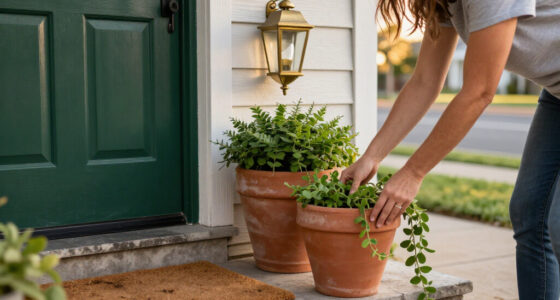

Choosing among home decor design books depends on whether you need help styling a room now or shaping a home that will feel right for years. I rank The Interior Design Handbook first for readers who want a broad furnishing-and-styling framework, while The Art of Home suits anyone balancing polish with everyday comfort. For a calmer, nature-led direction, The Harmonious Home offers the clearest thematic focus in this lineup.

Get furniture and decor delivered free — and shop member deals
- Fast, free delivery on millions of items
- Access to Prime Big Deal Days deals on October 6–7
- Prime Video, Amazon Music and more included
The tradeoff is that these titles make different promises, and the supplied information is limited: it gives a title and a brief premise, not page counts, project examples, formats, or detailed methods. I judge them by the design need their stated focus appears to serve, not by unverified features. That makes this a guide to choosing a design point of view, rather than a claim that one book contains more instructions or illustrations than another.
My ranking favors the broadest stated usefulness first, then books aimed at a more specific style or long-term goal. Readers who want a room-by-room starting point may prefer a handbook; those seeking an approachable designer perspective, durable choices, meaningful details, or a peaceful nature connection may find a more focused pick fits better. I also flag where the limited product information makes it harder to judge practical depth.
Complete the kit


Key Takeaways
- The Interior Design Handbook ranks first for its explicitly broad focus on furnishing, decorating, and styling, making it the most natural starting point for readers with several kinds of design questions.
- The Art of Home is the strongest match for readers who want an elevated look without treating the home as a formal showpiece.
- The Harmonious Home has the clearest style direction: peaceful, personal spaces shaped by inspiration from nature.
- The Forever Home is the pick for long-range thinking, with a stated focus on classic, clever design and putting down roots.
- Call It Home centers its promise on details, but its brief listing offers less information about scope than the other titles, so it is harder to judge before buying.
| The Interior Design Handbook: Furnish, Decorate, and Style Your Space | 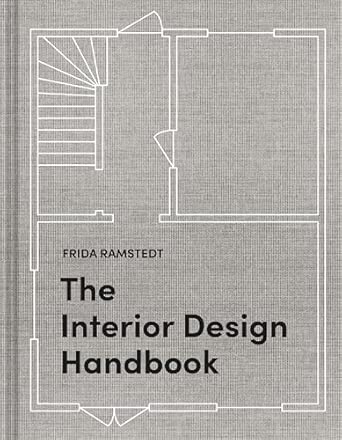 | Best Overall for Broad Decorating Guidance | Format: Book; specific edition and format not supplied | Subject: Interior design | Stated focus: Furnishing, decorating, and styling | VIEW LATEST PRICE | See Our Full Breakdown |
| The Art of Home: A Designer Guide to Creating an Elevated Yet Approachable Home |  | Best for Polished, Livable Rooms | Format: Book; specific edition and format not supplied | Subject: Home design | Stated focus: Creating an elevated yet approachable home | VIEW LATEST PRICE | See Our Full Breakdown |
| The Harmonious Home: Designing Peaceful, Personal Spaces Inspired by Nature |  | Best for Nature-Inspired Calm | Format: Book; specific edition and format not supplied | Subject: Home design | Stated focus: Peaceful, personal spaces | VIEW LATEST PRICE | See Our Full Breakdown |
| The Forever Home: Classic, Clever Design to Help You Put Down Roots |  | Best for Long-Term Home Planning | Format: Book; specific edition and format not supplied | Subject: Home design | Stated focus: Classic, clever design | VIEW LATEST PRICE | See Our Full Breakdown |
| Call It Home: The Details That Matter | 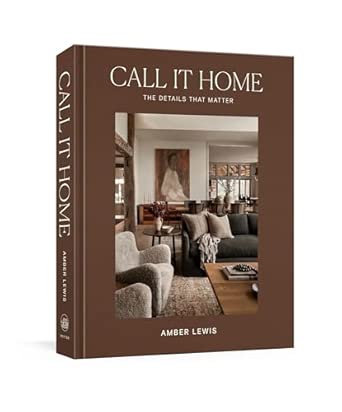 | Best for Detail-Minded Decorators | Format: Book; specific edition and format not supplied | Subject: Home design | Stated focus: Details that matter | VIEW LATEST PRICE | See Our Full Breakdown |
| home decor design | Format | Subject | Stated focus | Design orientation |
|---|---|---|---|---|
| The Interior Design Handbook: | Book; specific edition and format not supplied | Interior design | Furnishing, decorating, and styling | Broad, general-purpose guidance |
| The Art of Home: A Designer Gu | Book; specific edition and format not supplied | Home design | Creating an elevated yet approachable home | Polished and livable |
| The Harmonious Home: Designing | Book; specific edition and format not supplied | Home design | Peaceful, personal spaces | Calm and personal |
| The Forever Home: Classic | Book; specific edition and format not supplied | Home design | Classic, clever design | Long-term and home-centered |
| Call It Home: The Details That | Book; specific edition and format not supplied | Home design | Details that matter | Detail-led; specific approach not described |
More Details on Our Top Picks
The Interior Design Handbook: Furnish, Decorate, and Style Your Space
I place The Interior Design Handbook first because its title names three parts of the process—furnishing, decorating, and styling—rather than promising only one look or mood. That makes it the most flexible match for a reader who is starting with an empty room, reconsidering existing furniture, or trying to bring finishing touches together. Compared with The Art of Home, which leans toward a particular balance of elevated and approachable, this handbook appears less tied to one aesthetic. Its stated scope is also broader than Call It Home, whose title puts the emphasis on details.
That breadth is a useful starting point, but it is not proof of a step-by-step method. The supplied information does not confirm whether the book includes diagrams, checklists, room examples, or exercises. I would treat it as the lineup’s clearest general-purpose option, then check a preview if I needed highly specific instructions. A broad title can also feel less personally directed than The Harmonious Home, which sets a distinct nature-inspired mood, or The Forever Home, which speaks directly to lasting choices.
This pick makes the most sense if your questions span more than one decorating stage and you want a single design book to begin with. It is less compelling if you already know you want a nature-led palette, a long-term planning perspective, or close attention to small details. Its advantage is range of stated subject matter; its limitation is that the available description does not tell me how deeply it treats any one topic.
Pros:- Its stated scope covers furnishing, decorating, and styling rather than a single design theme.
- It can suit readers at more than one stage of making a room feel finished.
- Its broad framing makes it the most adaptable starting point in this comparison.
- The title presents a direct, practical subject rather than an abstract design promise.
Cons:- The supplied listing does not describe its methods, examples, or level of instruction.
- Its wide scope may feel less tailored than books focused on nature, details, or long-term living.
- Readers cannot confirm from the available description whether it matches their preferred visual style.
Best for: Readers who want one broad starting point for furnishing, decorating, and styling different parts of a home.
Not ideal for: Buyers seeking a clearly defined aesthetic, a confirmed step-by-step program, or verified room-by-room project content.
- Format:Book; specific edition and format not supplied
- Subject:Interior design
- Stated focus:Furnishing, decorating, and styling
- Intended scope:Personal living spaces
- Design orientation:Broad, general-purpose guidance
- Detailed contents:Not provided
- Author or method details:Not provided
- ASIN:0593139313
Our verdict“I rank it first for its broad stated coverage, though readers who want a specific design philosophy may be better served by a more focused title.”
The Art of Home: A Designer Guide to Creating an Elevated Yet Approachable Home
The Art of Home stands out for a design tension many readers recognize: wanting a home to feel considered without making it feel stiff. Its stated aim—an elevated yet approachable home—gives it a more distinct position than the general scope of The Interior Design Handbook. The handbook is the safer choice if you want broad coverage across furnishing, decorating, and styling; this title makes more sense when the bigger question is how to combine polish with ease.
The designer-guide framing suggests an informed point of view, but the supplied description does not explain the advice, visual style, or degree of instruction. I cannot confirm whether it offers room plans, material suggestions, or examples of how to make a refined space comfortable. That uncertainty matters for a buyer who wants concrete decorating steps. Compared with The Forever Home, this book appears less focused on long-term decisions and more focused on the character of a home’s atmosphere.
I would choose it over a broad handbook if you already have a general sense of what your rooms need and want to think about the balance between elegance and everyday use. It may be less useful if you want a sharply defined nature-inspired look, a dedicated focus on details, or guidance framed around putting down roots. The appeal is approachable refinement, while the main tradeoff is that the available listing does not show how the book turns that idea into practical choices.
Pros:- Its elevated-yet-approachable premise addresses both visual polish and day-to-day comfort.
- The designer-guide framing gives it a clear identity beside the broader handbook.
- It is suited to readers seeking a coherent overall feel rather than a single decorative detail.
- Its stated goal can apply across different rooms and home styles.
Cons:- The supplied description does not identify specific techniques or examples.
- The phrase elevated yet approachable leaves the precise aesthetic open to interpretation.
- It may not be as directly relevant as The Forever Home for long-range planning or The Harmonious Home for nature-led design.
Best for: Readers who want a home to feel polished and designer-informed without seeming formal or unlivable.
Not ideal for: Buyers who need confirmed step-by-step instructions or a focused guide to nature-inspired, detail-led, or long-term design.
- Format:Book; specific edition and format not supplied
- Subject:Home design
- Stated focus:Creating an elevated yet approachable home
- Framing:Designer guide
- Intended setting:Home interiors
- Design orientation:Polished and livable
- Detailed contents:Not provided
- ASIN:078523683X
Our verdict“I recommend it to readers chasing refined but relaxed interiors, with the caveat that the listing does not confirm how practical or detailed the guidance is.”
The Harmonious Home: Designing Peaceful, Personal Spaces Inspired by Nature
The Harmonious Home has the most explicit mood and inspiration in the group: it is about peaceful, personal spaces inspired by nature. That makes the choice unusually clear for readers who want their home to feel calm and connected to the natural world. Compared with The Art of Home, which balances refinement and approachability, this title centers the emotional atmosphere. Compared with The Interior Design Handbook, it trades breadth for a more recognizable design direction.
A clear theme helps narrow the decision, but it can also narrow the book’s usefulness. The listing does not specify whether nature inspiration means materials, color, plants, forms, or another approach, so I would not assume a particular palette or technique. Someone who needs general help choosing furniture and arranging a room may get a wider stated remit from the handbook. A buyer planning for years in one home may prefer The Forever Home, whose promise is rooted in classic, clever design and putting down roots rather than a particular mood.
This is the strongest match when the desired result is not merely a decorated room but a more peaceful, personal environment. It may be a weaker fit for readers who want high-energy styling, a range of unrelated design styles, or clear technical steps confirmed in advance. Its distinct value in this lineup is nature-led atmosphere; its drawback is that the product information does not show how specifically the theme is translated into design decisions.
Pros:- It gives the clearest nature-inspired design direction in the lineup.
- Its focus connects room design with mood and personal character.
- The theme is distinct from the handbook’s broader scope and The Art of Home’s polished-but-relaxed approach.
- It may help readers clarify the atmosphere they want before choosing decor.
Cons:- The listing does not explain which natural elements or design methods the book covers.
- Its specific mood may be less useful to readers seeking a variety of contrasting styles.
- There is no supplied detail confirming practical examples or actionable exercises.
Best for: Readers drawn to peaceful, personal interiors and a design approach inspired by nature.
Not ideal for: Buyers looking for a neutral, all-purpose decorating manual or a confirmed set of technical room-planning instructions.
- Format:Book; specific edition and format not supplied
- Subject:Home design
- Stated focus:Peaceful, personal spaces
- Inspiration:Nature
- Design orientation:Calm and personal
- Intended setting:Home interiors
- Detailed contents:Not provided
- ASIN:0593582225
Our verdict“I would choose it for a calm, nature-inspired home vision, not as a substitute for a verified general decorating manual.”
The Forever Home: Classic, Clever Design to Help You Put Down Roots
The Forever Home takes the long view. Its stated emphasis on classic, clever design and putting down roots makes it the clearest match for readers thinking beyond a quick room refresh. Compared with The Art of Home, which foregrounds the feeling of elevated but approachable interiors, this title points toward choices that support a lasting sense of home. It also differs from The Harmonious Home: one is framed around staying power, the other around peaceful spaces inspired by nature.
The phrase classic, clever design is appealing, but the available product information does not define what the book treats as classic or explain how it handles changing needs over time. It does not confirm whether the advice addresses layouts, storage, furniture, or family life. A reader who wants broad instructions across furnishing and styling may be better served by The Interior Design Handbook, whose subject coverage is spelled out more directly. This book’s narrower promise is a benefit only when long-term thinking is the buyer’s priority.
I would choose it for a home that is meant to become a lasting base, especially if you want design decisions to feel considered rather than temporary. I would skip it if you are decorating a short-term rental, trying to explore several aesthetics, or searching for a confirmed tactical manual. Its role here is durability of design intent, not proven durability of particular materials or furnishings; the description does not provide that level of detail.
Pros:- Its long-term orientation sets it apart from the lineup’s mood- and styling-focused books.
- The classic and clever framing speaks to readers who want a home to feel considered over time.
- It gives buyers a clear reason to choose it over a general design handbook.
- Its stated purpose connects design with settling into a home.
Cons:- The product information does not define its idea of classic or clever design.
- No supplied details confirm which practical home-planning topics it covers.
- Its long-range focus may be less relevant for temporary spaces or quick style changes.
Best for: Readers planning a long-term home and drawn to classic, clever design choices that support putting down roots.
Not ideal for: Renters seeking temporary styling ideas, readers wanting broad how-to coverage, or buyers who need confirmed technical advice.
- Format:Book; specific edition and format not supplied
- Subject:Home design
- Stated focus:Classic, clever design
- Intended goal:Help readers put down roots
- Design orientation:Long-term and home-centered
- Intended setting:A lasting home
- Detailed contents:Not provided
- ASIN:0593796934
Our verdict“I recommend it for readers designing a lasting home, while buyers who need wider styling coverage should start with the handbook.”
Call It Home: The Details That Matter
Call It Home: The Details That Matter is the most detail-oriented concept in the group, at least from its title. That makes it a plausible fit for readers who have the broad room decisions mostly settled and want to focus on the smaller choices that help a space feel personal. It contrasts with The Interior Design Handbook, whose title covers the larger tasks of furnishing, decorating, and styling. It also differs from The Art of Home, which promises an overall balance of elevated and approachable design rather than a specific focus on details.
The chief limitation is how little information accompanies the title. No description explains which details are covered, whether they are decorative or functional, or how the book organizes its advice. I would not assume it is a practical finishing-touches manual without checking a preview. By comparison, The Harmonious Home states its source of inspiration and desired atmosphere, and The Forever Home states a long-term goal. This title’s emphasis is intriguing, but its exact audience is harder to pin down from the supplied data.
Choose it if you are interested in the small decisions that give a home character and are comfortable confirming the contents before buying. Skip it if you need a clearly described beginner guide or a known design philosophy. Its potential advantage is attention to the finishing layer; the tradeoff is limited evidence about what that layer includes. In this ranking, it sits fifth because its stated promise is narrower and less fully explained than the other four, not because a detail-focused book cannot be useful.
Pros:- The title signals a distinct focus on details rather than general room planning.
- It may suit decorators who want to refine spaces after larger choices are made.
- Its emphasis complements the broader scope of The Interior Design Handbook.
- The premise is relevant to readers seeking a more personal finishing layer.
Cons:- The supplied listing gives no further description of the book’s scope.
- It is unclear whether the details refer to styling, function, materials, or another topic.
- Its practical value is harder to compare because no method or examples are described.
Best for: Readers who already have broad room plans in place and want a book whose stated emphasis is on meaningful details.
Not ideal for: Buyers who need a clearly described beginner framework, a defined aesthetic, or verified examples before choosing.
- Format:Book; specific edition and format not supplied
- Subject:Home design
- Stated focus:Details that matter
- Intended setting:Home interiors
- Design orientation:Detail-led; specific approach not described
- Detailed contents:Not provided
- Author or method details:Not provided
- ASIN:0593235525
Our verdict“I would shortlist it for detail-minded readers, but verify the contents first because its listing provides the least context in this group.”

How We Picked
I ranked these five books by the design need a reader can reasonably infer from each title and supplied description. Since the provided listings do not include detailed contents, sample projects, page counts, materials, or author methods, I do not assign credit for specifics that are not stated. Instead, I compare each book’s apparent scope, clarity of purpose, and likely fit for a particular kind of home-decor decision.
Range matters for readers who want one starting point for multiple rooms, so a title explicitly covering furnishing, decorating, and styling ranks ahead of narrower themes. A focused book can still be a better choice when its point of view matches the buyer: approachable refinement, meaningful details, long-term living, or nature-inspired calm. I also distinguish a clear promise from a demonstrated method; a title can signal a compelling theme without the available data confirming how actionable its guidance is.
My order is not a judgment of the authors’ skill or the quality of unseen content. It is a decision aid based on the information available. Before choosing, readers who need step-by-step plans, room photographs, or specific product guidance should check the listing and preview pages for those details. Each pick earns its place for a distinct reason, and each has a limitation: broadness may be less tailored, while a narrow theme may not answer every decorating question.
| home decor design | Subject | Stated focus | Design orientation | Intended setting |
|---|---|---|---|---|
| The Interior Design Handbook: | Interior design | Furnishing, decorating, and styling | Broad, general-purpose guidance | — |
| The Art of Home: A Designer Gu | Home design | Creating an elevated yet approachable home | Polished and livable | Home interiors |
| The Harmonious Home: Designing | Home design | Peaceful, personal spaces | Calm and personal | Home interiors |
| The Forever Home: Classic | Home design | Classic, clever design | Long-term and home-centered | A lasting home |
| Call It Home: The Details That | Home design | Details that matter | Detail-led; specific approach not described | Home interiors |
Factors to Consider When Choosing Best Home Decor Designs
I would choose a home decor book by the question I need answered, not by the broad appeal of its title. These five picks suggest different priorities: overall styling, approachable polish, a nature-inspired atmosphere, long-term design, or careful attention to details. Since the available descriptions are brief, I also recommend checking a listing preview for the format and depth you expect.
Start with the scope of your decorating problem
If you are making decisions across a room or several rooms, scope should come first. The Interior Design Handbook is the clearest match here because its title explicitly includes furnishing, decorating, and styling. That does not confirm the level of instruction, but it does give the broadest stated remit. A book focused on details may be a better companion once the bigger pieces are settled, while a theme-led title is useful if the atmosphere is already clear in your mind.
Write down the decisions you need help with before you choose: furniture, room character, finishing touches, or the overall direction of a home. Then compare that list with the book’s stated focus. If you need answers across several categories, choose a broad premise. If you have one clear design goal, a focused book can be more relevant than a general guide.
Match the book’s point of view to the home you want
These books are not interchangeable style manuals. The Art of Home is framed around a balance of elevated and approachable design; The Harmonious Home points toward peaceful personal spaces inspired by nature; and The Forever Home centers classic, clever design for putting down roots. Those descriptions help narrow the emotional direction, but they do not provide a complete picture of each book’s visual style.
I would treat a title’s premise as a first filter rather than a guarantee that its aesthetic matches yours. Look for sample pages, cover and interior images, or a fuller contents description when those are available. A reader drawn to quiet, natural spaces may not want a book whose emphasis is lively contrast; someone aiming for timeless choices may have little use for a guide devoted to short-lived trends.
Separate inspiration from instruction
A book can provide a strong design point of view without offering a step-by-step plan. The supplied information for this lineup does not verify checklists, diagrams, room layouts, material advice, or project walkthroughs. If you need a practical guide, confirm the instructional format in a preview or detailed listing rather than inferring it from words such as handbook or guide.
For inspiration, a clear theme can still be valuable: it may help you define what a room should feel like and narrow the choices you make. For execution, you may need specifics such as measurements, layouts, lighting suggestions, or guidance for working with existing furniture. Make sure the product information supports the task you have, especially if you expect one book to function as both inspiration and instruction.
Think about whether the room is temporary or long-term
Your time horizon changes which design perspective is most relevant. The Forever Home is the most direct match for readers who plan to settle into a place, while the broader handbook may be more flexible for readers still working through immediate room decisions. A short-term space may call for ideas that are easy to adapt, while a long-term home invites more thought about the style and atmosphere you want to live with.
Do not read the long-term framing as a guarantee of advice about furniture quality, construction, or materials; those details are not supplied. Instead, use it as a signal about the book’s stated purpose. If your needs might change—because you are renting, moving, or sharing a home—consider whether a lasting design philosophy or flexible general guidance better fits the moment.
Check the practical buying details before ordering
The product data here does not confirm format, edition, page count, visual content, or detailed chapter coverage for these titles. Those details can matter as much as the design premise. A reader who wants to browse imagery may prioritize a visual preview; someone who prefers reference material may want to inspect the contents or see how advice is organized. Verify what is included rather than assuming a title provides a particular kind of resource.
My ranking reflects the clarity and breadth of the stated concepts, not a comparison of unseen pages. If two titles appeal equally, use the available preview and contents information to decide which one is more concrete for your project. That extra check is especially useful for Call It Home, whose supplied description offers only its title, and for any buyer who needs specific instructions rather than general design perspective.
Frequently Asked Questions
Which book is the best starting point for a first home decorating project?
I would start with The Interior Design Handbook if the project includes several kinds of decisions, since its stated coverage spans furnishing, decorating, and styling. If your main goal is to create a polished but comfortable look, The Art of Home may suit you better. The supplied descriptions do not confirm how beginner-friendly or step-by-step either book is, so check a preview if you need detailed instruction.
Which title is the clearest fit for a nature-inspired home?
The Harmonious Home is the clearest fit because its stated focus is peaceful, personal spaces inspired by nature. The listing does not specify whether that inspiration is expressed through colors, materials, plants, shapes, or other choices, so readers looking for a particular technique should review sample content. Compared with it, The Art of Home emphasizes an elevated yet approachable atmosphere rather than a nature-led theme.
Which book focuses most directly on details?
Call It Home: The Details That Matter signals the strongest detail-led approach by title. However, the supplied information does not explain which details it addresses or whether the advice is decorative, functional, or both. If you want a confirmed guide to finishing touches, I would check the contents or preview before buying; The Interior Design Handbook is the better-described option for broader decorating topics.
Which option is best for someone planning a long-term home?
The Forever Home is the most direct match for long-term planning because its stated promise is classic, clever design to help readers put down roots. The listing does not confirm whether it discusses layouts, materials, storage, or changing household needs, so treat the title as a signal of intent rather than proof of specific coverage. Readers who want wider guidance across furnishing and styling may prefer The Interior Design Handbook.
Can these books be compared by the amount of practical instruction they provide?
Not from the product information provided here. The descriptions do not specify page contents, diagrams, exercises, project examples, or step-by-step methods, so I cannot reliably rank the books by instructional depth. I compare them by their stated design focus instead: broad styling, approachable refinement, nature-inspired calm, long-term living, and attention to details. Check previews or fuller listings if practical instruction is your main requirement.
Conclusion
I would choose The Interior Design Handbook if you want the broadest stated starting point for furnishing, decorating, and styling. Pick The Art of Home if your priority is a polished home that still feels relaxed and livable. For a quiet, nature-led direction, The Harmonious Home has the clearest match, while The Forever Home is the most relevant choice for readers planning to put down roots. Choose Call It Home if details are your main interest, but check its contents first because the supplied description is especially limited.
My ranking favors clear scope and distinct usefulness, not unverified claims about the books’ contents. If you need a particular format or practical method, verify those details before ordering. The best fit is the one whose stated design purpose lines up with the decisions you are making now.
Halloween Picks
halloween
As an affiliate, we earn on qualifying purchases.