
TL;DR

Get furniture and decor delivered free with Prime
- Fast, free delivery on millions of items
- Prime Video, Amazon Music and more included
- Member-only deals all year
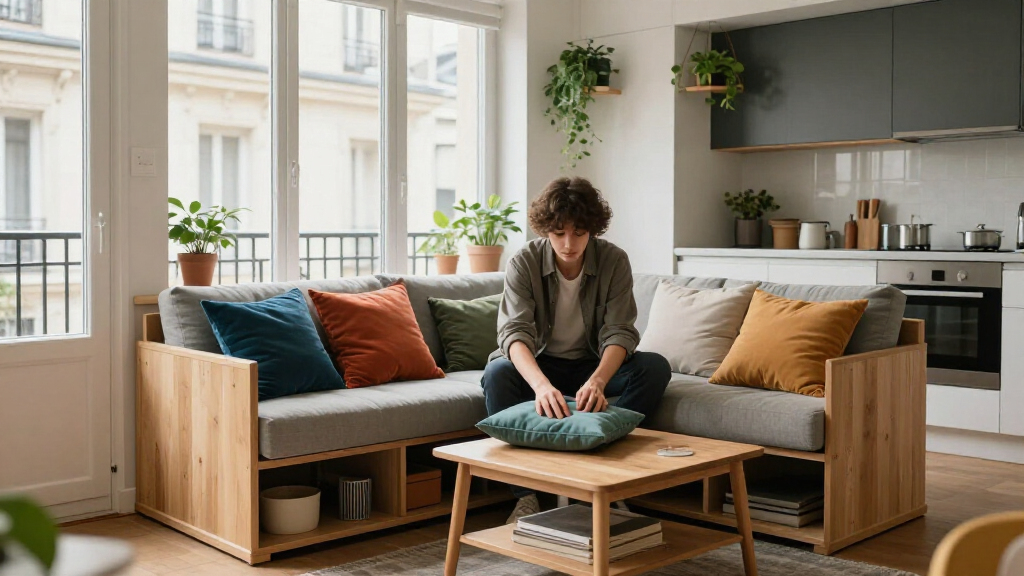
A compact 236-square-foot apartment in Paris demonstrates how clever design maximizes limited space. The development is drawing significant attention as urban living spaces become more sought after.
A 236-square-foot apartment in Paris has gained attention for its innovative design that makes the most of every inch. The apartment’s efficient layout and space-saving features are drawing increased interest amid a broader trend toward tiny living in urban centers.
The apartment, located in the heart of Paris, employs a combination of multi-functional furniture, vertical storage, and clever spatial arrangements to maximize its limited footprint. Despite its small size, the space includes a sleeping area, a kitchenette, and a bathroom, all integrated seamlessly to avoid clutter and optimize usability.
While the exact location and owner details remain unconfirmed, the apartment’s design has been highlighted in recent media reports and social media posts, which note its ability to feel open and functional. Experts say such designs are increasingly relevant as urban populations grow and housing affordability pressures intensify.
Search interest in tiny apartments and space-efficient design in Paris and other major cities has surged, although the specific trigger for this spike remains unconfirmed. The trend reflects a broader shift toward minimalism and smart living solutions in dense urban environments.
Implications for Urban Living Trends
This apartment exemplifies a broader movement toward maximizing small living spaces, which is becoming increasingly important as city populations expand and housing costs rise. Such designs challenge traditional notions of luxury and comfort, emphasizing functionality and efficiency.
For residents, these spaces can offer affordable, manageable housing options in prime locations. For architects and designers, they present opportunities to innovate with compact, multi-purpose solutions that could influence future urban development.
Products Worth Considering

Bose TV Speaker (2nd Gen) Compact Soundbar

Bose TV Speaker Compact Soundbar with Bluetooth and HDMI-ARC, Black

eufy Security Video Doorbell E340, Dual Cameras, 2K FHD, 8GB Local Storage
As an affiliate, we earn on qualifying purchases.
Rise of Tiny Living and Space Optimization
Over recent years, the popularity of tiny apartments has grown in cities worldwide, driven by factors such as housing affordability, environmental sustainability, and changing lifestyle preferences. In Paris, where space is at a premium, residents and developers are increasingly exploring micro-living options.
This specific apartment’s design has garnered attention partly because it exemplifies how small spaces can be functional and stylish. While similar projects have been documented before, the recent media focus indicates a rising curiosity and acceptance of minimal living in dense urban centers.
Search interest in related topics has spiked, though the precise cause remains unconfirmed. Some speculate it is linked to broader discussions about affordable housing solutions, while others point to social media trends highlighting innovative small-space living.
Unconfirmed Details and Future Developments
It is not yet clear who owns or designed this specific apartment, nor its exact location within Paris. The recent coverage is based on social media and media reports, but official details remain unavailable. The broader trend of micro-living is confirmed, but the specific impact of this apartment on the market or design practices is still uncertain.
Potential Impact and Next Steps in Urban Micro-Living
As interest in tiny apartments continues to grow, more projects are likely to emerge in Paris and other cities. Urban planners, architects, and residents will watch for how these small spaces evolve to meet housing needs. Future developments may include more innovative designs, policy adjustments, and increased adoption of micro-living models.
Researchers and industry experts will monitor whether such apartments influence broader housing strategies or inspire new standards for space utilization in dense urban areas.
Key Questions
How does this apartment maximize its limited space?
The apartment uses multi-functional furniture, vertical storage, and efficient layout design to create a functional living environment within 236 square feet.
Is this type of micro-apartment common in Paris?
While micro-apartments are gaining popularity, this specific 236-square-foot example has attracted notable attention, indicating a growing interest but not yet widespread adoption.
What are the advantages of such small apartments?
They offer affordable housing options, reduce environmental impact, and suit urban lifestyles that prioritize location and minimalism.
Are there any challenges associated with tiny living spaces?
Challenges include limited privacy, storage constraints, and potential difficulty in customizing or expanding the space. Design innovations aim to mitigate these issues.
Will this trend influence future housing policies?
It is still uncertain, but increasing interest suggests policymakers may explore micro-living as a solution to housing shortages and affordability in dense cities.
Source: rss