TL;DR

Get furniture and decor delivered free — and shop member deals
- Fast, free delivery on millions of items
- Access to Prime Big Deal Days deals on October 6–7
- Prime Video, Amazon Music and more included
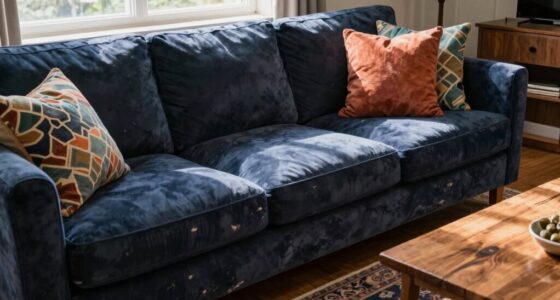
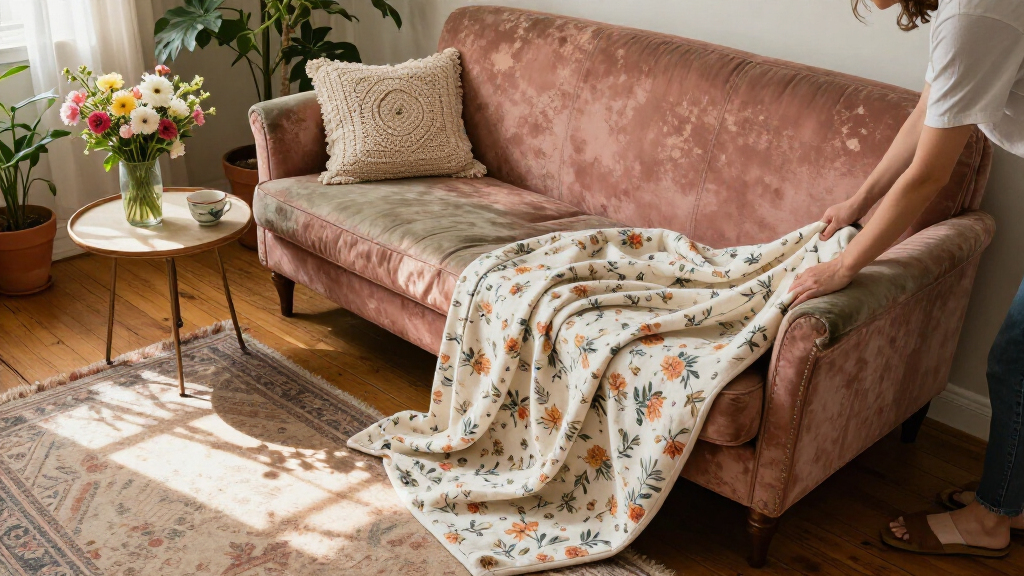
A roundup highlighting floral sofas has renewed attention on the so-called “grandma” decor trend, in which traditional, homey design elements return to mainstream interiors. The long-running shift toward vintage-inspired furnishings is well established, but what triggered this latest wave of coverage is unconfirmed.
A home decor roundup titled “8 Floral Sofas That Prove the ‘Grandma’ Decor Trend Is Here to Stay” is drawing fresh attention to floral upholstery and the broader revival of traditional, vintage-inspired interiors. The piece is a trend observation rather than a product of a specific industry announcement, and its central claim — that the “grandma” aesthetic has staying power — is an editorial judgment, not a verified market fact. Still, the coverage reflects a genuinely long-running design shift that has been documented across home furnishings media for several years.
The article in question is a shopping-and-style roundup focused on floral sofas, a furniture category most associated with cottage, English-country, and traditional interiors. Roundups of this kind typically curate available products to illustrate a design direction, and they appear regularly in home decor publications and feeds. What distinguishes this one is its framing: rather than treating florals as a novelty, it positions them as evidence that the so-called “grandma” decor trend — also widely called grandmillennial or granny chic style — has moved past its novelty phase.
The core elements of the trend are well established in design media coverage going back several years. They include floral and chintz upholstery, ruffles, fringe, needlepoint, wallpaper with vintage patterns, mismatched antique furniture, and a general embrace of the cozy, collected look associated with mid-twentieth-century family homes. The style emerged as a visible counterpoint to the minimalist, gray-toned interiors that dominated the 2010s, and it has been covered by mainstream shelter publications, retailers, and social media design communities since roughly 2019–2020.
What is not confirmed is what specifically prompted the current wave of interest. The source material for this story consists only of the roundup’s headline and category information, circulated via an RSS feed in the home category. No sales data, industry report, designer statement, or retailer announcement accompanies it. The claim in the headline — that the trend “is here to stay” — should be read as the publication’s editorial assertion, not as a measured finding.
Why Floral Sofas Signal a Broader Shift
For readers furnishing or redecorating, the relevance is practical. Sofas are among the most expensive and least frequently replaced items in a home, so a purchase decision implicitly bets on how long a look will feel current. If traditional florals are indeed a durable direction rather than a short-lived cycle, buyers may feel more comfortable investing in a patterned statement sofa; if the trend recedes, those pieces become harder to work into a room.
The grandma aesthetic also matters to the furniture market more broadly. Its rise has coincided with increased interest in secondhand and vintage furniture, upholstery and re-covering services, and heritage fabric houses, since achieving the look often means sourcing older pieces rather than buying new. A sustained trend would continue to support those segments. However, no sales figures or industry data accompany the current coverage, so the actual commercial strength of the movement at this moment cannot be verified from this source.
From Grandmillennial Style to Mainstream Shelves
The “grandma” decor trend did not originate with this roundup. Design media began documenting what became known as grandmillennial style several years ago, describing younger homeowners who embraced chintz, needlepoint, skirted tables, and other elements their grandparents’ generation favored. The label “grandmacore” and “granny chic” later circulated widely on social platforms, where interiors featuring floral upholstery and layered vintage styling found large audiences.
Floral sofas sit at the visible center of this movement because they make the aesthetic unmistakable in a single piece. Over the same period, several mainstream retailers introduced traditional-style upholstered seating and floral fabric options, a shift widely reported in home furnishings coverage. Roundups like the current one are a routine way publications track which products are available as the style evolves.
“8 Floral Sofas That Prove the ‘Grandma’ Decor Trend Is Here to Stay”
— The roundup’s headline
What the Coverage Doesn’t Establish
Several things remain unclear. First, what triggered this specific article — a seasonal editorial calendar, a retailer partnership, or a response to reader interest — is not stated in the available material. Second, the roundup’s contents, including which sofas are featured, at what prices, and from which retailers, are not verifiable from the source metadata alone. Third, the broader claim that the trend “is here to stay” is unproven; design trends are cyclical, and no long-term sales or search data is cited in the coverage itself. Readers should treat the durability claim as an opinion supported by the trend’s multi-year track record, not as a forecast with documented evidence.
Where the Granny Chic Trend Goes From Here
Watch for continued coverage of traditional upholstery in home decor publications through the coming seasons, particularly spring editorial cycles when floral patterns traditionally receive attention. Retailer assortments will offer another signal: if major chains expand floral and vintage-style seating options, that would suggest sustained commercial demand. Readers considering a floral sofa can also explore upholstery and secondhand markets, where well-made older frames can be re-covered in modern floral fabrics — a route that often costs less than new statement seating, though large upholstery work is best handled by professional upholsterers to protect the furniture’s structure and value.
Key Questions
What is the “grandma” decor trend?
It is a design movement embracing traditional, homey elements associated with older generations: floral and chintz upholstery, ruffles, fringe, needlepoint, vintage wallpaper, and antique or secondhand furniture. It is also called grandmillennial, granny chic, or grandmacore style, and has been covered in design media for several years.
Is it confirmed that the trend is here to stay?
No. The claim appears in the roundup’s headline as an editorial assertion. The trend’s multi-year presence in design coverage is well documented, but no sales data or long-term forecast accompanies the current article, so its future durability is unverified.
Why are floral sofas significant in this trend?
A floral sofa is a large, highly visible commitment to the aesthetic. Because sofas are expensive and replaced infrequently, they serve as a shorthand for how confident consumers and retailers are in the style’s longevity.
What triggered the recent coverage?
That is unclear. The available information consists only of the roundup’s headline and category; no announcement, data release, or named source explains why the piece appeared when it did.
How can readers get the look affordably?
Secondhand sofas with sturdy frames can often be professionally re-upholstered in floral fabric, sometimes for less than the cost of new statement seating. Checking frame condition and spring support before buying used is a sensible step.
Source: rss
Fall Picks
fall essentials
As an affiliate, we earn on qualifying purchases.