
TL;DR
A Boston resident reported that adding a very bright LED bulb near a desk made it easier to keep working after sunset during the winter. The account describes a personal experience, not a controlled study, and does not establish that bright room lighting treats seasonal depression or has the same effect for others.
A Boston resident said a high-output LED setup helped them continue working after the sun set during their first winter back from Senegal, where early darkness had made it difficult to focus. The account describes a personal experiment with brighter indoor lighting, not clinical evidence that the approach treats seasonal depression or works the same way for other people.

Get furniture and decor delivered free with Prime
- Fast, free delivery on millions of items
- Prime Video, Amazon Music and more included
- Member-only deals all year
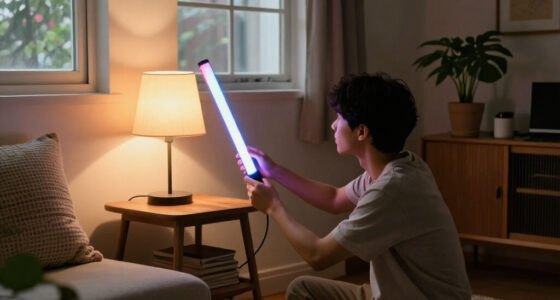
The writer said Boston’s winter sunset, around 4:15 p.m., made it harder to focus in the evening. They placed a bright “corn cob” LED bulb beside a desk, where its light bounced off curtains rather than being aimed directly at the user. Using what the writer described as a questionably accurate iPhone light meter, they estimated that indoor light rose from about 50 to 400 lux. The writer also estimated that the curtain reflection measured brighter than the outdoor daylight they recorded at 600 lux.
The writer reported a substantial personal change: instead of wanting to stop work when it got dark, they could keep to a summer-like schedule and stop shortly before dinner. They estimated the setup added 30 minutes to two hours of work per day, depending on cloud cover. Those figures are the writer’s own estimates; the post does not describe a controlled comparison or independent measurement.
In an update dated November 16, 2020, the writer said they had replaced the single bulb with 21 100-watt-equivalent, 5000K Cree bulbs in three seven-way splitters. They said the newer arrangement produced more diffuse light and had a higher color-rendering index. The original post also noted that the large bulb had a cooling fan and that its weight and heat made fixture ratings and stability relevant. These details describe the writer’s particular setup, not a general recommendation for installing lighting equipment.
Bring Outdoor Brightness Into Your Room
A Boston resident reported staying focused after sunset with brighter indoor LED lighting. The experience is personal and does not show that bright room lighting treats seasonal depression or works for everyone.
What changed
The writer tried brightening the room around a desk to make winter evenings easier for work.
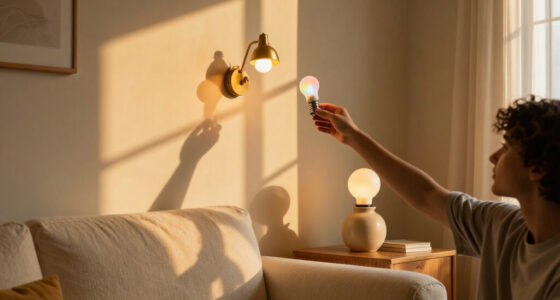
A high-output LED near the desk bounced light off curtains instead of shining directly at the user.
A 2020 update described 21 bulbs in three splitters for more diffuse light.
What the account suggests
These are the writer’s reported experience and interpretation, not general findings.
- Kept working after the winter sunset.
- Estimated 30 minutes to two hours of extra work daily.
- No controlled comparison or independent light readings.
- No evidence that the setup treats seasonal depression.
Check before brightening
Output is only one part of choosing and using a lighting setup.
- Check bulb specifications, fixture ratings, socket compatibility, and weight support.
- Consider heat, glare, fan noise, and energy use.
- Follow manufacturer instructions and local electrical requirements.
Brighter Rooms, Longer Workdays
The account speaks to a practical problem for people who spend winter evenings indoors: ordinary room lighting can feel dim compared with daylight, and early sunsets may affect how alert or productive someone feels. The writer’s experience suggests that changing the overall brightness of a room, rather than relying on a small lamp close to the face, felt useful to them. That is a personal observation, not proof of a general productivity effect.
The post also draws attention to the difference between room illumination and clinical light therapy. It argues that a powerful bulb can brighten a broader area, while the writer characterizes therapy lamps as requiring close, direct use. The account does not provide a medical comparison, technical assessment of treatment devices, or evidence that the two approaches are interchangeable. People seeking help for seasonal mood symptoms should not treat this anecdote as medical advice.
For readers considering brighter lighting, the report’s practical details underline that output alone is not the only factor. The writer found the original light uncomfortable to look at directly, and reported fan noise and a heavy bulb. Compatibility, safe mounting, heat, glare and energy use all matter. The source does not establish that its particular installation meets every home’s electrical or fixture requirements.
Products Worth Considering

Dyson Car+Boat Cordless Handheld Vacuum

Ring Alarm 14-Piece Kit

eufy Security 5-Piece Home Alarm Kit
As an affiliate, we earn on qualifying purchases.
From One Bulb to 21
The writer said they had previously responded to winter darkness by shifting their sleep schedule earlier or accepting that they would be less productive. They described this as their first winter in Boston after returning from Senegal, and said they were waking around 6:30 a.m. while already finding evening events difficult. After reading blog posts about bright lighting, they decided to try creating a brighter indoor environment.
The first setup used a high-output corn-style LED bulb advertised in the post as producing tens of thousands of lumens. The writer put it near a desk and used a separate fixture rather than modifying an existing one. The source cautioned that the bulb was unusually large and heavy, and that a socket or fixture would need to be rated for its power. The writer later changed to multiple standard-style bulbs, saying the light was more diffused and had better color rendering.
The post links the experiment to falling LED prices and argues that high-output lighting had become more affordable. It also gives an estimate for the bulb’s electricity use based on eight hours of daily operation. Those are claims and calculations in the original account; prices, electricity rates, product availability and energy costs vary over time and by location.
Limits of the Lighting Test
The account does not say that the lighting change was tested under controlled conditions. It offers no independent lux readings, objective work-output measures, or comparison with days when the writer did not use the setup. The author themselves described their phone-based light and sound measurements as questionable. The reported productivity change therefore cannot establish that brighter lighting caused the difference.
It is also unclear how the setup affected the writer’s sleep, eyes or mood over a longer period, and whether other people would respond similarly. The post does not establish whether high-output room lighting can prevent or treat seasonal affective disorder. The writer explicitly said they had not experienced depression, and the source does not report medical advice or a clinical assessment.
Product details and cost figures reflect the products and conditions described in the account, including its 2020 update. The source does not provide current product prices or current electricity rates. It also does not verify the suitability of every bulb, adapter, fixture or household socket for a comparable arrangement.
Check Before Brightening a Room
The account describes a completed personal experiment and a later change to the writer’s setup; it does not announce a formal study or planned follow-up. Anyone considering a similar approach would need to check the bulb’s specifications, fixture rating, socket compatibility, weight support, heat management and glare in their own home. Follow manufacturer instructions and local electrical requirements, and consult a qualified electrician if an installation involves modifying wiring or fixtures.
Readers should also distinguish a brighter room from a treatment plan. Anyone experiencing persistent low mood, major sleep changes or difficulty functioning can speak with a health professional about appropriate options. The original post offers no clinical guidance, and its reported work benefit remains specific to the writer.
Key Questions
What did the writer change in their home?
They placed a high-output LED bulb near a desk to brighten the room. In a November 16, 2020 update, they said they had switched to 21 100-watt-equivalent, 5000K bulbs in three splitters for more diffuse light.
How much more productive did the writer say they became?
The writer estimated the lighting added 30 minutes to two hours of work per day, depending on cloud cover. This was a personal estimate, not a measured result from a controlled study.
Does the account show that bright bulbs treat seasonal depression?
No. The writer described a change in their own focus and productivity and said they had not experienced depression. The post does not provide clinical evidence that the setup treats seasonal depression.
What should someone check before using a high-output bulb?
Check the bulb’s size, weight, heat and power requirements, and confirm that the fixture and socket are rated for it. Avoid looking directly at an uncomfortable bright light, follow manufacturer instructions and consult a qualified electrician for electrical modifications.
Source: Hacker News