
TL;DR

Get furniture and decor delivered free with Prime
- Fast, free delivery on millions of items
- Prime Video, Amazon Music and more included
- Member-only deals all year
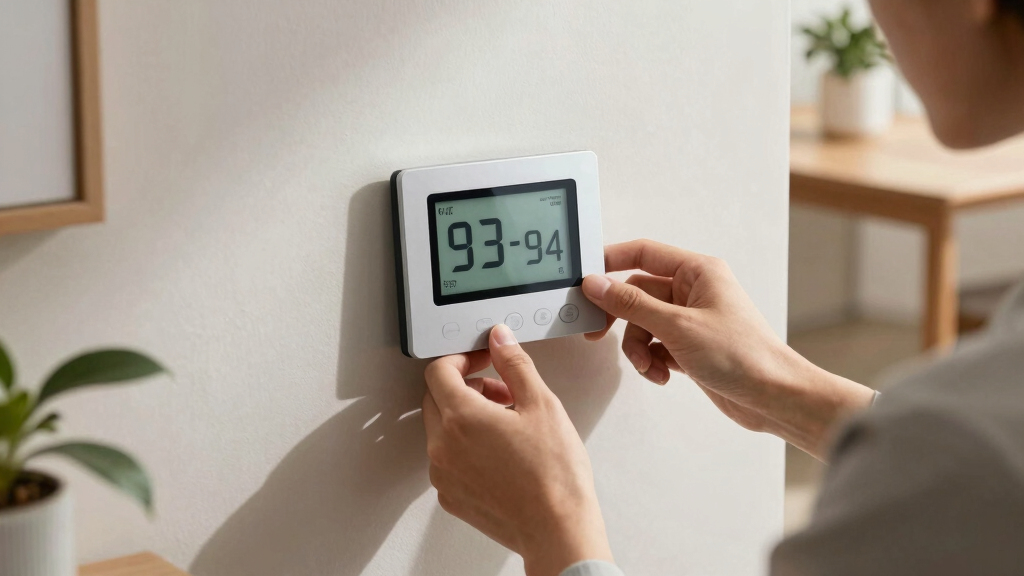
A market for predicting Austin’s high temperature on July 11, 2026, has seen recent activity suggesting speculation about whether the temperature will reach 93-94°F. Experts say long-term forecasts remain uncertain, but current models do not confirm a specific temperature on that date.
There is currently no confirmed meteorological forecast indicating that Austin will reach a high temperature of 93-94°F on July 11, 2026. Recent activity in a prediction market suggests some speculation about this specific temperature, but climate experts emphasize that long-term weather forecasts remain uncertain this far in advance.
Recent trades in a Kalshi prediction market show interest in whether Austin’s high temperature will be between 93 and 94 degrees Fahrenheit on July 11, 2026. However, these trades reflect market speculation rather than scientific consensus.
Climate models and meteorological forecasts currently do not provide specific temperature predictions for that date, as forecasts beyond a few weeks are inherently uncertain. Experts note that factors such as atmospheric conditions, climate change trends, and local variability make precise long-term temperature predictions unreliable this far in advance.
Officials from the National Weather Service and climate scientists caution against placing too much weight on market speculation or long-range forecasts for specific temperature values on a date so far ahead.
Implications of Long-Term Temperature Predictions
This question matters because it reflects growing public interest in long-term climate trends and extreme weather events. While specific temperatures on a given day are hard to predict so far in advance, understanding climate patterns helps communities prepare for potential heat waves and climate impacts.
Market activity indicates a desire for predictive tools, but scientists warn that reliance on such markets for precise weather forecasts beyond a few weeks is limited. Accurate long-term climate projections are essential for policy planning and infrastructure resilience.
As an affiliate, we earn on qualifying purchases.
Background on Long-Range Weather Forecasting and Climate Trends
Forecasting weather more than a few weeks ahead is inherently uncertain due to the chaotic nature of atmospheric systems. Currently, meteorologists rely on climate models that project general trends rather than specific daily temperatures for dates several years in the future.
Recent climate data suggest that Austin is experiencing increasing average temperatures and more frequent heat waves, consistent with global warming trends. However, predicting whether a specific day will hit a precise temperature remains outside the scope of current scientific capabilities.
The prediction market activity reflects public curiosity and the growing use of alternative forecasting tools, but it does not replace scientific weather prediction methods.
“Long-term weather predictions for specific days are highly unreliable. While climate models can indicate trends, they cannot specify exact temperatures years in advance.”
— Dr. Susan Lee, Climate Scientist
portable air conditioner for heat waves
As an affiliate, we earn on qualifying purchases.
As an affiliate, we earn on qualifying purchases.
Unconfirmed Nature of Long-Term Temperature Predictions
It remains unclear whether any scientific models or forecasts can reliably predict Austin’s temperature to the specific range of 93-94°F on July 11, 2026. Current climate science indicates high uncertainty for such long-range predictions, and no official forecast currently confirms this temperature.
UV protection sunglasses for summer
As an affiliate, we earn on qualifying purchases.
As an affiliate, we earn on qualifying purchases.
Next Steps for Climate Forecasting and Market Activity
Scientists will continue to refine climate models to better understand long-term trends, but precise daily temperature predictions for 2026 are unlikely in the near future. Monitoring climate data and official weather forecasts will remain essential for planning and preparedness.
The prediction market activity may persist as a reflection of public interest, but it should not be relied upon for making decisions based on specific weather conditions several years ahead.
As an affiliate, we earn on qualifying purchases.
Key Questions
Can we accurately predict Austin’s temperature for July 11, 2026?
No, current scientific methods do not allow accurate predictions of specific daily temperatures so far in advance. Forecasts beyond a few weeks are inherently uncertain.
What does the recent market activity indicate?
The activity suggests some public interest or speculation about future weather conditions but does not constitute scientific evidence or reliable forecasts.
How reliable are long-term climate models?
They are useful for understanding general trends and climate change impacts but cannot specify exact temperatures on specific days years in advance.
Should residents prepare for extreme heat on that date?
While specific conditions are uncertain, residents should stay informed through official weather forecasts and climate advisories closer to the date.
Source: kalshi
Halloween Picks
halloween
As an affiliate, we earn on qualifying purchases.