
TL;DR

Get furniture and decor delivered free with Prime
- Fast, free delivery on millions of items
- Prime Video, Amazon Music and more included
- Member-only deals all year
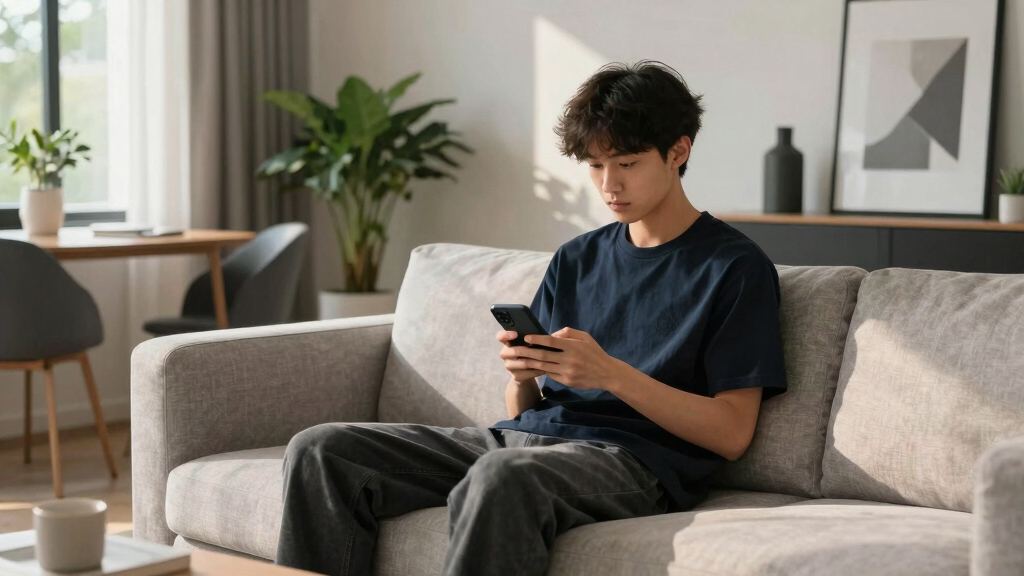
Young people are increasingly abandoning traditional lifestyle trends such as constant social media use, materialism, and overwork. Instead, they are prioritizing mental health, meaningful relationships, and personal well-being, signaling a significant cultural shift.
Young adults are increasingly turning away from long-standing lifestyle trends such as relentless social media engagement, materialistic pursuits, and overworking, in favor of seeking greater balance and personal fulfillment. This shift, observed across multiple surveys and academic studies, signals a significant change in cultural priorities among the younger generation.
Recent research from organizations like the Pew Research Center and various mental health institutes indicates that a growing number of young people, aged 18-30, are reducing their social media usage and disengaging from consumerist behaviors. Instead, they are prioritizing mental health, physical well-being, and authentic relationships. This trend is reflected in declining social media activity, lower participation in materialistic shopping sprees, and increased involvement in wellness practices such as meditation and outdoor activities.
Experts attribute this shift to increased awareness of mental health issues, the impact of social media on self-esteem, and a desire for more meaningful life experiences. According to Dr. Lisa Chen, a psychologist specializing in youth behavior, “Young adults are reevaluating what constitutes a fulfilling life, moving away from superficial metrics of success towards deeper personal growth.”
Implications of the Shift Toward Personal Well-Being
This cultural shift among young people has broad implications for society, including changes in consumer behavior, workplace culture, and mental health awareness. As younger generations prioritize mental health and authentic connections, businesses may need to adapt marketing strategies and workplace policies to align with these values. Additionally, the decline in traditional social media and materialism could influence economic trends and social dynamics.
As an affiliate, we earn on qualifying purchases.
Pre-Pandemic Lifestyle Trends and Recent Changes
Before 2020, the dominant lifestyle trends among young people emphasized social media engagement, material success, and a hustle culture that promoted overwork. The COVID-19 pandemic, however, acted as a catalyst for reevaluation, exposing the downsides of constant connectivity and consumerism. Recent surveys from 2023 show that many young adults are consciously reducing screen time, seeking offline experiences, and emphasizing mental health and personal growth.
While some experts initially predicted a return to pre-pandemic behaviors, current data suggests a sustained move away from these trends, indicating a deeper cultural transformation.
“Young adults are reevaluating what constitutes a fulfilling life, moving away from superficial metrics of success towards deeper personal growth.”
— Dr. Lisa Chen
As an affiliate, we earn on qualifying purchases.
Unclear Long-Term Impact of Lifestyle Changes
It remains uncertain whether this shift toward balance and mental health will persist long-term or if younger generations will revert to traditional trends as societal pressures evolve. The full impact on economic and social structures is still developing, and future research will clarify whether this is a temporary response or a lasting transformation.
As an affiliate, we earn on qualifying purchases.
Monitoring Future Behavioral Trends Among Young Adults
Researchers and policymakers will continue to observe these evolving behaviors through surveys and social data analysis. Key upcoming milestones include tracking mental health statistics, consumer habits, and workplace adaptations over the next few years. Additionally, mental health initiatives and educational programs may further influence this cultural shift.
As an affiliate, we earn on qualifying purchases.
Key Questions
Why are young people abandoning traditional lifestyle trends?
Many young adults are prioritizing mental health, authentic relationships, and personal well-being over materialism and social media engagement, driven by increased awareness of mental health issues and the negative effects of consumerism.
Is this shift temporary or permanent?
It is currently unclear whether this is a lasting change or a temporary response to recent societal pressures. Ongoing research will clarify whether these behaviors will persist long-term.
How might this affect the economy?
The decline in consumerism and social media engagement among young people could lead to changes in market demand, advertising strategies, and workplace cultures, emphasizing well-being and authentic experiences.
What role did the pandemic play in this shift?
The COVID-19 pandemic exposed the downsides of constant connectivity and material pursuits, prompting many young adults to reevaluate their priorities and seek more meaningful, offline experiences.
Source: rss
Fall Picks
fall essentials
As an affiliate, we earn on qualifying purchases.