
TL;DR

Get furniture and decor delivered free with Prime
- Fast, free delivery on millions of items
- Prime Video, Amazon Music and more included
- Member-only deals all year
Lagos residents are experiencing significant difficulties with waste disposal and accessing public toilets, impacting public health and sanitation. The issues have gained attention amid rising coverage, though details remain unconfirmed.
Residents of Lagos are facing persistent challenges related to waste disposal and limited access to public toilets, according to recent reports. These issues are affecting public health and sanitation standards across the city. The coverage interest has surged, reflecting growing concern among residents and observers about the city’s sanitation infrastructure.
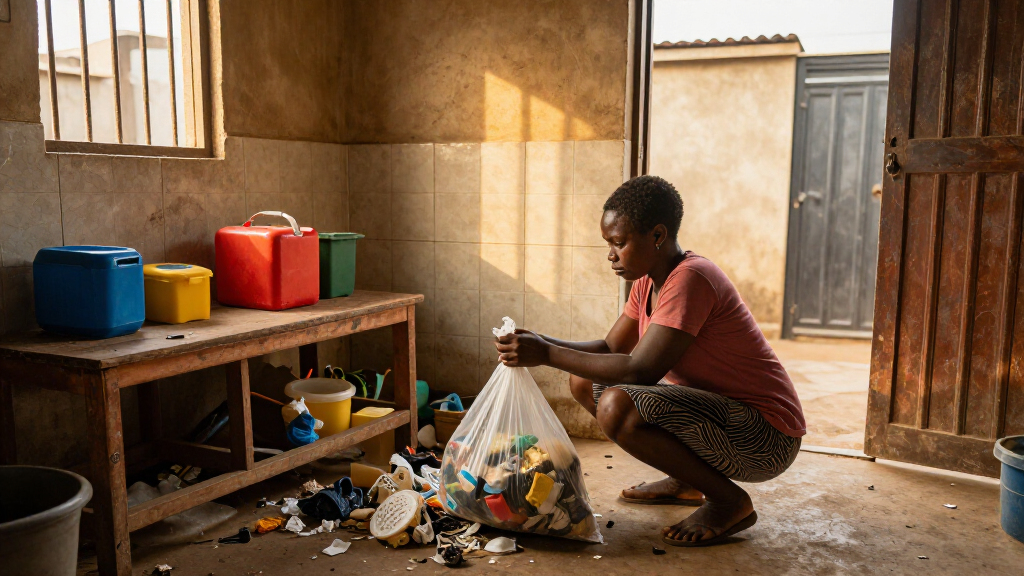
Multiple residents and local observers have reported that waste collection services are irregular or inadequate, leading to the accumulation of refuse in many neighborhoods. In some areas, waste piles up on streets for days, creating unsanitary conditions and attracting pests. Access to public toilets remains limited, especially in densely populated districts, forcing residents to resort to unhygienic alternatives or defecate in open spaces. The situation is compounded by the city’s rapid population growth and infrastructural strain, with authorities acknowledging some challenges but offering limited solutions so far.
Officials from Lagos State Environmental Agency confirmed that waste collection schedules have been disrupted due to funding and logistical issues, but they also emphasized ongoing efforts to improve waste management. Meanwhile, residents report that the lack of accessible toilets significantly impacts daily life, especially for women, children, and the elderly. The problem is particularly acute in informal settlements and underserved neighborhoods, where infrastructure is often lacking or poorly maintained.
Why Waste and Sanitation Issues in Lagos Matter
The ongoing waste disposal and sanitation problems in Lagos pose serious health risks, including the spread of diseases such as cholera and typhoid. Poor sanitation can also contribute to environmental degradation and reduce quality of life for residents. As Lagos continues to grow rapidly, addressing these infrastructure deficits is vital for sustainable urban development. The issues also highlight broader challenges faced by many African megacities in managing urban sanitation amid population pressures and limited resources.
portable waste bin for outdoor use
As an affiliate, we earn on qualifying purchases.
As an affiliate, we earn on qualifying purchases.
Background on Lagos’s Urban Sanitation Challenges
Lagos, Nigeria’s largest city, has long struggled with waste management and sanitation infrastructure. Previous reports have documented irregular waste collection, inadequate public toilet facilities, and open defecation in some areas. The city’s population has surged past 14 million, intensifying demand for sanitation services. Efforts by local authorities to improve waste management have been hampered by funding constraints, logistical hurdles, and rapid urbanization without commensurate infrastructure development. The rising coverage interest reflects both the severity of the problem and increasing media and public attention on urban sanitation issues in Lagos.
As an affiliate, we earn on qualifying purchases.
Unconfirmed Aspects of the Waste and Sanitation Crisis
It is not yet clear how widespread the waste accumulation and toilet access issues are across all districts of Lagos, as comprehensive data remains unavailable. The extent of government intervention and the timeline for meaningful improvements are also uncertain. Additionally, the impact of recent policy initiatives or private sector involvement has not been publicly detailed, leaving some aspects of the response unconfirmed.
As an affiliate, we earn on qualifying purchases.
Next Steps for Addressing Lagos’s Sanitation Challenges
Local authorities are expected to announce targeted initiatives to improve waste collection and expand public toilet facilities in the coming months. Monitoring of these efforts will be crucial to assess their effectiveness. Civil society groups and residents are likely to continue advocating for urgent action and increased investment in sanitation infrastructure. Further reporting will clarify whether government measures are sufficient to address the ongoing crisis.
waste management supplies for urban areas
As an affiliate, we earn on qualifying purchases.
As an affiliate, we earn on qualifying purchases.
Key Questions
What specific areas in Lagos are most affected by waste and sanitation issues?
While detailed data is limited, informal settlements and densely populated neighborhoods are reportedly the most affected by waste accumulation and lack of public toilets.
Are there any government plans to improve waste management in Lagos?
Officials have acknowledged the challenges and indicated plans to enhance waste collection and sanitation infrastructure, but concrete timelines and scope remain unclear.
How do these sanitation issues impact public health in Lagos?
Poor waste disposal and lack of toilets increase risks of disease outbreaks such as cholera and typhoid, especially in vulnerable communities.
What role can private sector or community groups play in addressing these problems?
Private companies and local organizations could supplement government efforts by providing sanitation services and raising awareness, but their involvement is still developing.
Will the situation improve soon?
It is uncertain; progress depends on government actions, resource allocation, and community engagement, with further developments expected in the coming months.
Source: local
Evergreen bestsellers Picks
bestsellers
As an affiliate, we earn on qualifying purchases.