
TL;DR
Workplace culture is experiencing significant changes, with increased emphasis on flexibility, diversity, and employee well-being. These shifts are confirmed by recent surveys and organizational initiatives, impacting how companies operate.
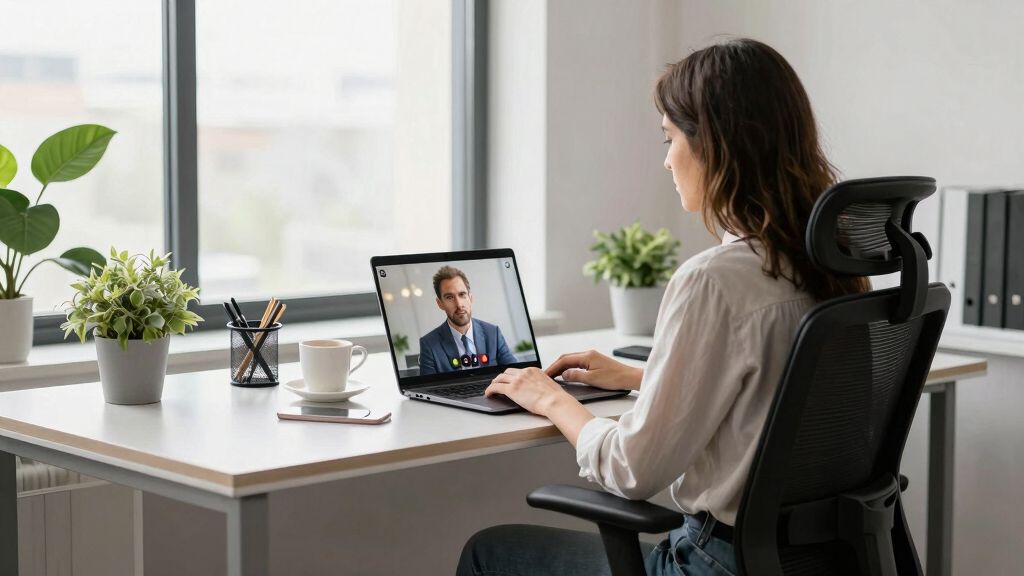
Workplace culture is undergoing a notable transformation in 2024, with organizations worldwide adopting new practices that prioritize employee flexibility, diversity, and mental health. These changes are driven by evolving employee expectations and are confirmed by recent survey data and corporate initiatives, marking a significant shift from traditional corporate environments.
Recent surveys conducted by organizations such as Gallup and Deloitte indicate that a majority of employees now prioritize flexible work arrangements, including remote and hybrid options. According to Gallup’s 2024 report, over 70% of workers prefer flexible schedules, a sharp increase from previous years. Many companies, including tech giants and financial firms, have formalized policies to support remote work, flexible hours, and mental health resources.
Simultaneously, there is a clear rise in emphasis on diversity, equity, and inclusion (DEI) initiatives. Companies are actively implementing training programs, revising hiring practices, and establishing employee resource groups to foster more inclusive environments. A 2024 survey by McKinsey found that 65% of organizations have increased their DEI efforts compared to two years ago, citing improved employee engagement and brand reputation as key motivators.
Experts note that these shifts reflect broader societal changes, including increased awareness of mental health issues and a desire for more meaningful workplace experiences. HR leaders report that fostering a positive, inclusive culture is now central to talent retention and recruitment strategies.
Implications for Employee Engagement and Business Performance
The evolving workplace culture has significant implications for both employees and organizations. Companies that adapt to these trends are likely to see improved employee engagement, higher retention rates, and enhanced employer branding. Conversely, organizations resistant to change risk losing talent and falling behind in competitive markets. This shift underscores a broader move towards human-centric workplaces that value flexibility, diversity, and mental health, which can ultimately influence productivity and innovation.

ProtoArc EC200 Pro Ergonomic Mesh Office Chair for Remote Work, Gray
- Breathable Mesh Seat: Adjustable depth for comfort and fit
- 4D Armrests: Multi-directional and rotatable for support
- Lumbar Support: Adjustable to prevent back pain
As an affiliate, we earn on qualifying purchases.
As an affiliate, we earn on qualifying purchases.
Recent Trends and Organizational Initiatives Driving Change
Over the past two years, the COVID-19 pandemic accelerated remote work adoption, prompting organizations to rethink traditional office-centric models. Surveys from 2023 and 2024 reveal that many companies have made permanent changes to their work policies, emphasizing flexibility. Additionally, societal movements advocating for racial justice and gender equality have spurred organizations to implement more comprehensive DEI strategies. These developments are part of a broader cultural shift towards valuing employee well-being and inclusivity as core organizational priorities.
“We are seeing a fundamental shift in what employees expect from their workplaces. Flexibility and inclusion are no longer optional—they are essential for attracting and retaining top talent.”
— Jane Smith, HR Director at TechCorp
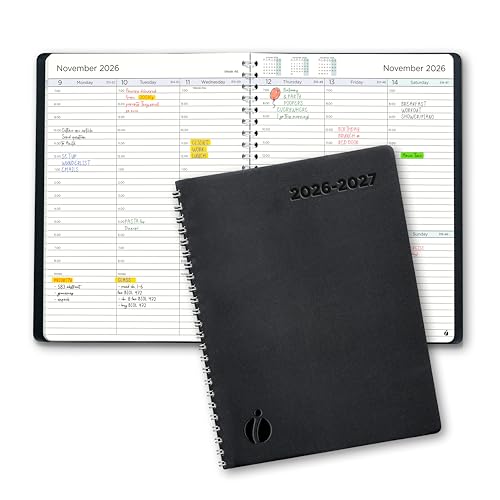
Academic Planner 2026-2027 – Hourly 2026-2027 Planner Weekly and Monthly – Appointment Book with Flexible Cover, Twin-Wire Binding – Simple Design for Productivity. June 2026 – July 2027. 6.5 x 8.5
- Planner Duration: June 2026 – July 2027
- Planning Views: Weekly and Monthly pages
- Time Intervals: 30-minute from 7am to 8pm
As an affiliate, we earn on qualifying purchases.
As an affiliate, we earn on qualifying purchases.
Unclear Long-Term Impact of Cultural Shifts
While current data confirms these trends, it remains unclear how permanent or widespread these cultural changes will become across different industries and regions. Questions remain about how organizations will sustain these initiatives long-term and whether new challenges, such as burnout or inequality, will emerge as workplaces evolve.

metaFox "Embracing Diversity – 52 Diversity Equity and Inclusion Cards for DEI Training, Workplace Culture Map – Use as Motivational Cards, Conversation Starters, Self reflection Card
- Number of Cards: 52 diversity and inclusion questions
- Purpose: Promotes open DEI discussions and safety
- Application: Suitable for coaching and sensitivity training
As an affiliate, we earn on qualifying purchases.
As an affiliate, we earn on qualifying purchases.
Monitoring Future Organizational Responses and Policy Changes
Moving forward, analysts expect ongoing assessments of how workplace culture trends influence organizational performance. Companies are likely to refine their policies based on employee feedback and evolving societal norms. Further research and surveys will clarify whether these changes lead to sustained improvements in employee satisfaction and business outcomes.

Mental Health and Wellbeing in the Workplace: A Practical Guide for Employers and Employees
As an affiliate, we earn on qualifying purchases.
As an affiliate, we earn on qualifying purchases.
Key Questions
Are these workplace culture changes permanent?
It is not yet clear if these shifts will be permanent. While current trends are strong, their longevity depends on ongoing organizational commitment and societal developments.
Which industries are most affected by these changes?
Technology, finance, and professional services are leading in adopting flexible and inclusive policies, but many sectors are also making adjustments.
How are companies measuring success in these cultural shifts?
Organizations are using employee engagement surveys, retention rates, and diversity metrics to gauge the impact of workplace culture initiatives.
What challenges might organizations face in implementing these changes?
Potential challenges include managing remote teams effectively, ensuring equity, and maintaining organizational cohesion across diverse work arrangements.
Source: rss