TL;DR
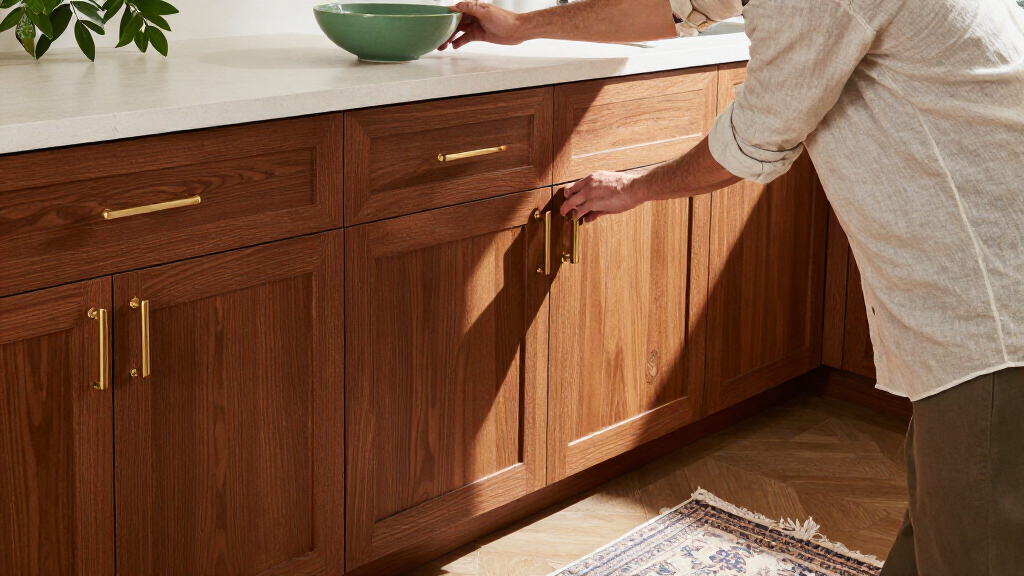
Apartment Therapy Studio Director Vicky Wasik refreshed her kitchen without painting its dark wood cabinets, changing the surrounding finishes instead. Her project paired white quartz counters with green tile and paint, floral wallpaper, brass details and natural-texture accents.
Apartment Therapy Studio Director Vicky Wasik has shared a kitchen makeover that kept her dark wood cabinets in place, using new countertops, tile, paint, wallpaper and accessories to change how the wood reads in the room. Her project offers a practical alternative for homeowners weighing a cabinet-painting job: adjust the surrounding palette first, while recognizing that the work can still involve costly installation and hands-on labor.

Get furniture and decor delivered free with Prime
- Fast, free delivery on millions of items
- Prime Video, Amazon Music and more included
- Member-only deals all year
Wasik said she had repeatedly considered painting the cabinets, but mockups of different countertop and tile combinations led her to keep them. She selected plain white quartz countertops with no veining, replacing the original granite. The countertop change was the renovation’s biggest expense, she wrote, and made the kitchen feel brighter and more modern to her. The installer also offered countertop removal for an additional fee; Wasik said she paid for the service and advised asking about extra carrying charges, particularly in a walk-up building.
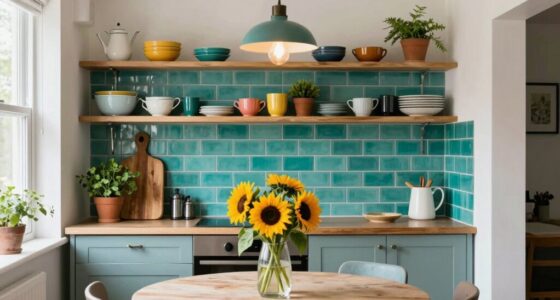
With the new counters in place, Wasik and her father installed dark green, zellige-inspired tile on the two walls of the galley kitchen. The job took about three days. Planning around outlets and uneven corners required trial and error, and they raised the cabinets slightly rather than cut many tiles along the top edge. Wasik chose dark charcoal grout. She described grouting as messy and said getting the texture right took adjustment.
For the remaining changes, Wasik painted the walls Benjamin Moore’s “Dollar Bill Green” and added forest-themed floral wallpaper behind new brass hardware. She installed affordable faux-brass pot rails, a vintage brass-and-glass shelf, brass outlet covers and a washable jute runner. Woven wood shades added another natural texture. She also used a converter kit to change recessed-light cans into glass pendant lights, a task she said was harder than expected and required suitable tools and physical effort.
Keep the dark wood change what surrounds it
Vicky Wasik kept her dark wood cabinets and refreshed the kitchen with new finishes and accessories. Her project shows how the surrounding palette can change the feel of existing cabinetry.
Five finish changes
Wasik updated the room around the cabinets instead of painting them.
Plain white quartz replaced the original granite and became the project’s biggest expense.
Zellige-inspired tile added contrast across the two galley walls.
Benjamin Moore’s “Dollar Bill Green” and forest-themed wallpaper brought color and pattern.
Hardware, pot rails, a shelf and outlet covers added warm metallic accents.
A washable jute runner and woven wood shades added texture; a converter kit turned recessed lights into glass pendants.
Plan the finish sequence
Mock up combinations first, then let the surfaces guide later choices.
What to weigh
A finish refresh can preserve cabinetry, but costs and installation demands vary.
- Keeps the existing dark wood cabinets.
- Changes the room’s palette with lighter counters and green finishes.
- Lets readers test combinations before committing.
- No total project cost or comparison with painting was provided.
- Ask about countertop removal, access and carrying fees.
- Follow product instructions and local requirements for electrical work.
A Palette Change, Not Cabinet Paint
The project illustrates a specific design choice: retain the wood cabinets and change the finishes around them. White counters provide a lighter surface, while green tile and paint create contrast; brass and woven materials add detail without making cabinet replacement the centerpiece. That approach may be useful to readers who like their existing cabinetry but feel the kitchen’s overall palette is dated or unbalanced.
Wasik’s account is a single project, not evidence that every kitchen can be refreshed this way or that the approach will cost less than painting. She identified the counters as the largest expense, and tile, wallpaper and lighting each brought their own installation demands. The value for readers is in the sequence and combination of choices—not a guaranteed budget result: test how finishes work together, then decide which changes make sense for the room.
Products Worth Considering

Philips Hue Amarant Outdoor Smart Light Bar, Black

Hisense 55-Inch E6SR Series 4K UHD Hi-QLED Roku Smart TV (2026 Model)

Philips Hue Play Gradient Light Tube, Large, Black
As an affiliate, we earn on qualifying purchases.
How Wasik Planned the Kitchen
Wasik wrote that rich wood finishes appearing in kitchens prompted her to reconsider painting. Rather than start with a renovation, she made mockups using countertop and tile websites and Photoshop. That exercise helped her decide that the issue might be how the cabinets interacted with nearby surfaces, rather than the cabinets themselves.
The order of work shaped the final choices. She replaced the granite counters first, then selected tile after seeing the new surface in place. She had no existing backsplash to remove, which simplified that part of the job. Her account also describes adjustments particular to this kitchen, including raising cabinets to avoid cutting a large number of tiles and using a laser level to align the wallpaper.
“Do I hate my cabinets, or just how they interact with everything around them?”
— Vicky Wasik, Apartment Therapy Studio Director
Costs and Installation Details Vary
Wasik did not provide a total renovation cost, detailed prices for each item, or a direct comparison with the cost of painting or replacing cabinets. Her project is not a price guide, and charges such as countertop carrying fees can depend on the home and installer. The article also does not give enough information to assess how the finishes will hold up over time or whether the same products and installation methods suit other kitchens.
Some installation details call for added care. Wasik described adjusting cabinets, tiling around outlets and drilling metal lighting cans. Readers should not treat her personal account as a substitute for local code or product instructions. Electrical work should be handled by a licensed electrician when required; power should be shut off and verified before work near wiring, with appropriate protective equipment used. The supplied account does not state whether a professional checked the lighting installation.
Plan Around the Existing Cabinets
For readers considering a similar update, the next step is to assess the cabinets and the room’s existing surfaces, then sample colors and finishes together before committing. Wasik’s sequence suggests choosing the countertop first if it will be replaced, since that surface informed her tile choice. Check measurements and installation requirements around outlets, corners and cabinets, and ask contractors about removal, access and carrying fees before scheduling work.
The article shares a completed makeover rather than announcing a follow-up project. Wasik also pointed readers to Apartment Therapy’s project-submission page for people who want to share their own before-and-after work. No further renovation plans or independent cost assessment were included in the supplied account.
Key Questions
Were the dark wood cabinets painted?
No. Wasik kept the cabinets and changed the counters, backsplash, wall finishes and accessories around them.
What changes did the kitchen makeover include?
The project included white quartz counters, dark green tile, green paint, floral wallpaper, brass details, natural-texture accents and glass pendant lights made with a converter kit.
How long did the tile installation take?
Wasik said she and her father spent about three days tiling the two walls of the galley kitchen. Planning around outlets and corners took trial and error.
Does the article give the total renovation cost?
No. Wasik called the countertops the largest expense, but the account does not state an overall project total or a cost comparison with painting the cabinets.
What should readers keep in mind about the lighting work?
Wasik said fitting the converter kit was harder than expected and required tools and strength. Electrical work should follow product instructions and local requirements; use a licensed electrician when required, and shut off and verify power before working near electrical components.
Source: apartmenttherapy.com