
TL;DR

Get furniture and decor delivered free — and shop member deals
- Fast, free delivery on millions of items
- Access to Prime Big Deal Days deals on October 6–7
- Prime Video, Amazon Music and more included
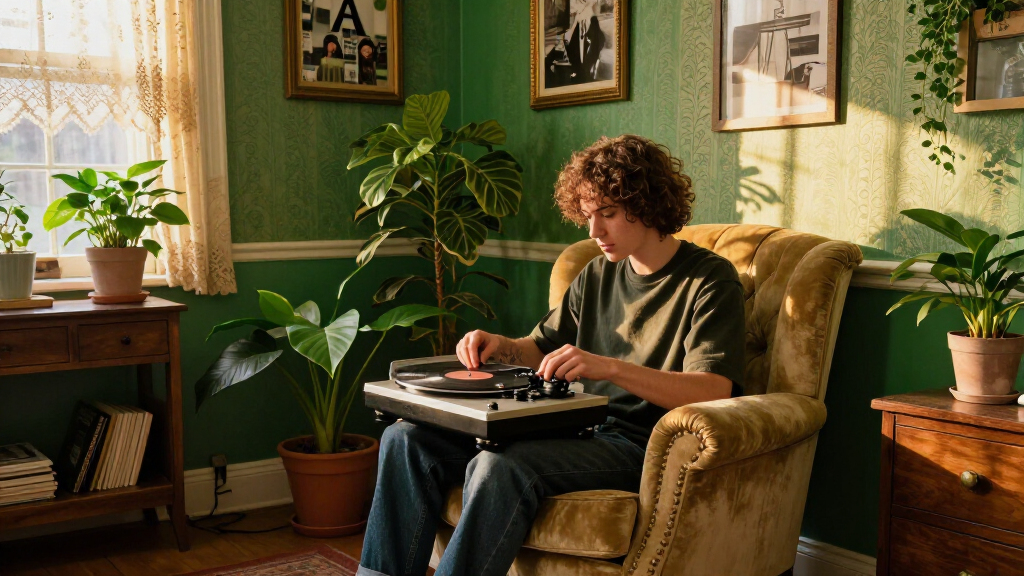
A homeowner has converted their traditional beige 1900s parlor into a vibrant green ‘Analog Room,’ reflecting a growing trend in vintage and bold interior design. The project highlights a shift toward nostalgic, tactile aesthetics.
A homeowner has transformed their beige 1900s parlor into a bold, green ‘Analog Room’, showcasing a rising interest in vintage-inspired interior design. This development highlights a shift toward nostalgic, tactile aesthetics that appeal to those seeking unique, statement-making living spaces.
The renovation involved replacing the original subdued decor with a vibrant, forest green paint on walls and ceiling, complemented by vintage furniture pieces and analog technology-inspired decor. The project was completed within the past month and has attracted significant attention on social media and interior design forums, where enthusiasts praise its boldness and nostalgic charm.
Sources indicate that the homeowner aimed to create a space that evokes the tactile, sensory experience of vintage technology and mid-century design. The ‘Analog Room’ features items like rotary phones, vintage radios, and analog clocks, emphasizing a tactile, non-digital aesthetic that contrasts sharply with contemporary minimalism.
Why the ‘Analog Room’ Trend Resonates Now
This transformation reflects a broader cultural shift toward valuing tactile, nostalgic experiences in a digital age. As interest in vintage decor and retro technology surges, such projects symbolize a desire to reconnect with tangible, physical objects that evoke personal memories and historical authenticity. The ‘Analog Room’ trend may influence interior design choices, encouraging more homeowners to seek bold, nostalgic aesthetics that stand out from modern minimalism. Additionally, it signals a growing appreciation for preserving and reimagining historical interiors, blending the old with the new in creative ways.As an affiliate, we earn on qualifying purchases.
Historical and Cultural Roots of Vintage Interior Revival
Interest in vintage and retro interior design has been rising over the past few years, driven by a desire for unique, personalized spaces amid mass-produced modern decor. The trend often includes reusing and reimagining early 20th-century styles, which evoke a sense of nostalgia and craftsmanship. The recent spike in coverage and social media posts about bold color schemes and vintage technology displays suggests a renewed focus on tactile, non-digital aesthetics.
The specific project of turning a beige parlor into a green ‘Analog Room’ aligns with this broader revival, which often emphasizes color boldness, vintage furniture, and analog gadgets. While the exact origin of this particular project remains unconfirmed, it is part of a larger movement reinterpreting historic interiors for contemporary tastes.
As an affiliate, we earn on qualifying purchases.
Unconfirmed Origins and Broader Impact of the Trend
It is not yet clear whether the ‘Analog Room’ transformation is part of a coordinated trend or a unique project. The surge in interest appears to be a broader cultural phenomenon, but specific motivations behind individual renovations remain unconfirmed. Additionally, the long-term influence of this trend on interior design remains to be seen, as the movement is still emerging.As an affiliate, we earn on qualifying purchases.
Potential Developments in Vintage and Nostalgic Interior Design
As interest in vintage and tactile aesthetics grows, more homeowners and designers may adopt bold color schemes and incorporate analog technology-inspired decor. Future projects could see increased use of sustainable vintage materials and a focus on preserving historic interiors while updating them for modern use. Industry experts anticipate that this trend will continue to evolve, blending nostalgia with contemporary creativity, and possibly inspiring new design standards.
As an affiliate, we earn on qualifying purchases.
Key Questions
What exactly is an ‘Analog Room’?
An ‘Analog Room’ is a space designed to evoke nostalgia for vintage, tactile technology and decor, featuring items like rotary phones, radios, and analog clocks, often highlighted with bold colors and retro aesthetics.
Why are bold colors like green popular in these renovations?
Bold colors create visual impact and help emphasize the nostalgic, statement-making aspect of the design. Green, in particular, evokes nature and vitality, adding energy to vintage-inspired spaces.
Is this trend limited to private homes?
No, the trend is also influencing commercial spaces, cafes, and boutique hotels that aim to create memorable, nostalgic experiences for visitors.
Will this trend influence mainstream interior design?
While still emerging, the trend has the potential to inspire more eclectic, personalized interiors that blend vintage elements with modern decor, especially as interest in sustainability and craftsmanship grows.
Are there any risks or downsides to this style?
Potential downsides include the cost of vintage items and the challenge of maintaining or restoring older decor. Additionally, bold colors may not appeal to everyone and could limit resale value if not universally appreciated.
Source: rss
Fall Picks
fall essentials
As an affiliate, we earn on qualifying purchases.