
TL;DR

Get furniture and decor delivered free with Prime
- Fast, free delivery on millions of items
- Prime Video, Amazon Music and more included
- Member-only deals all year
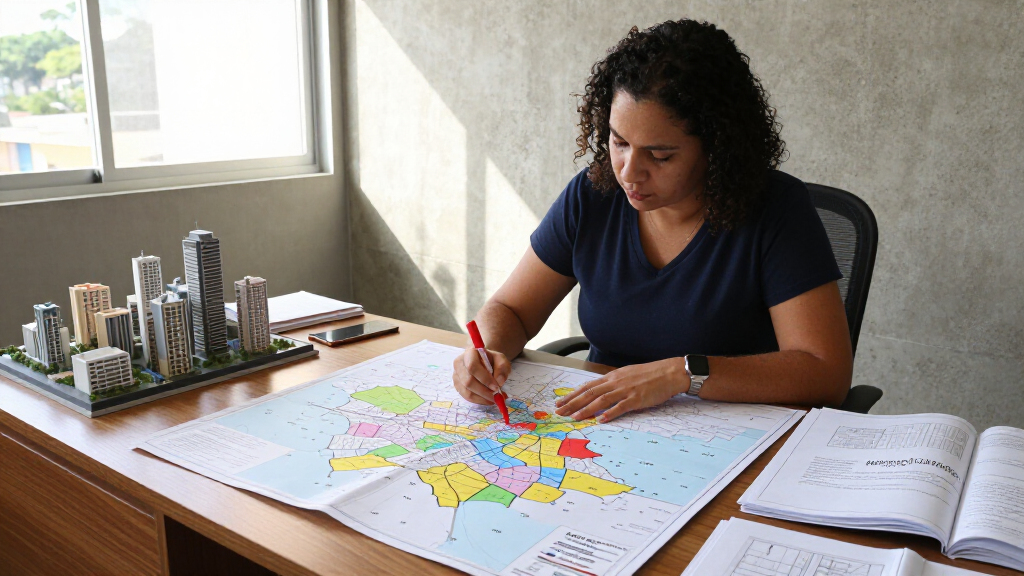
The São Paulo Court of Justice (TJSP) has declared the revision of the city’s zoning law map unconstitutional. This ruling halts current modifications and raises questions about future urban planning efforts. The decision is a significant legal setback for city authorities and developers.
The São Paulo Court of Justice (TJSP) has officially declared the revision of the city’s zoning law map unconstitutional, nullifying the changes and halting all ongoing adjustments. This ruling, announced on March 2024, represents a significant legal setback for the city’s urban planning policies and affects developers, residents, and policymakers involved in land use decisions.
The court’s decision was based on procedural irregularities and legal violations identified during the revision process. According to the TJSP, the city failed to follow proper legal procedures and did not adequately involve public participation before implementing the new zoning map. As a result, the court found the revision to be invalid and unconstitutional.
The revision, initiated by the São Paulo municipal government, aimed to update land use regulations to promote urban development and address housing demands. However, critics argued that the process lacked transparency and violated legal standards, prompting legal challenges that culminated in the court ruling.
Following the decision, the city government issued a statement indicating that it will review the court’s ruling and consider possible legal remedies. Meanwhile, urban developers and neighborhood associations have expressed concern about the uncertainty this creates for ongoing projects and future planning efforts.
Legal and Urban Planning Implications of the Ruling
This ruling has immediate implications for urban development projects and land use policies in São Paulo. It halts the implementation of the revised zoning map, which could slow or delay construction, real estate development, and urban renewal initiatives. The decision also raises questions about the legal process involved in updating land use regulations, potentially prompting reforms to ensure transparency and procedural compliance in future revisions.
For residents and community groups, the ruling may impact efforts to influence local land use and zoning decisions. It underscores the importance of legal adherence in planning processes and could lead to increased scrutiny of similar initiatives across Brazil’s largest city.
Policymakers and legal experts see this as a reminder of the need for transparent, inclusive procedures in urban planning, especially given the economic and social stakes involved in land development and housing policy.
As an affiliate, we earn on qualifying purchases.
Background on São Paulo’s Zoning Map Revision Process
São Paulo’s zoning law map has undergone multiple revisions over the past decade, with the latest effort launched in 2022 to modernize land use regulations and accommodate the city’s rapid urban growth. The revision process involved technical assessments, public consultations, and legal reviews, but faced criticism from various sectors for alleged procedural flaws.
Legal challenges emerged shortly after the city announced the revised map in late 2023, with opponents arguing that the process lacked sufficient public participation and violated established legal standards. These challenges culminated in a lawsuit that reached the TJSP, which led to the recent ruling declaring the revision unconstitutional.
The legal case highlighted concerns about transparency, due process, and adherence to environmental and urban planning laws, which are critical in a city facing complex challenges related to housing, transportation, and sustainability.
“The revision of the zoning law map was conducted without proper legal procedures and public participation, rendering it unconstitutional.”
— Judge Maria Oliveira, TJSP
As an affiliate, we earn on qualifying purchases.
Unresolved Questions About Future Land Use Policies
It remains unclear how the city will respond to the ruling and whether it will revise the zoning map in accordance with legal standards. The legal process to potentially redo the revision could be lengthy, and there is uncertainty about whether the city will appeal or implement interim measures to resume development activities.
Additionally, the broader impact on ongoing projects and whether similar legal challenges might arise in other urban planning initiatives is still developing. The court’s decision may set a precedent for future land use revisions in São Paulo and beyond.
As an affiliate, we earn on qualifying purchases.
Next Steps for São Paulo’s Urban Planning Efforts
The city government is expected to review the court’s decision and decide whether to appeal or amend the zoning revision to comply with legal standards. A possible next step includes initiating a new, transparent revision process involving public participation and legal oversight.
Legal experts suggest that a new process could take several months or longer, potentially delaying development projects and policy reforms tied to the current revision. Meanwhile, stakeholders such as developers, community groups, and environmental organizations will closely monitor the city’s response and any legal developments.
Further court rulings or legislative actions could also influence the future of land use policy in São Paulo, especially if the city opts for a different approach to revising its zoning laws.
As an affiliate, we earn on qualifying purchases.
Key Questions
What does the court ruling mean for ongoing development projects?
The ruling halts the implementation of the revised zoning map, which may delay or suspend ongoing and planned development projects until a new, legally compliant revision is approved.
Can the city revise the zoning map again?
Yes, the city can initiate a new revision process that complies with legal procedures and incorporates public participation, but this could take several months or longer.
What legal grounds did the court cite for declaring the revision unconstitutional?
The court found procedural irregularities and violations of legal standards related to transparency and public involvement during the revision process.
Will this ruling affect other cities’ zoning laws?
While specific to São Paulo, the ruling emphasizes the importance of legal compliance and transparency, potentially influencing similar processes in other municipalities.
What are the long-term implications of this decision?
The ruling could lead to more rigorous legal scrutiny of urban planning processes in São Paulo, encouraging reforms to ensure transparency and legal adherence in future land use revisions.
Source: local
Fall Picks
fall essentials
As an affiliate, we earn on qualifying purchases.