
TL;DR

Get furniture and decor delivered free with Prime
- Fast, free delivery on millions of items
- Prime Video, Amazon Music and more included
- Member-only deals all year
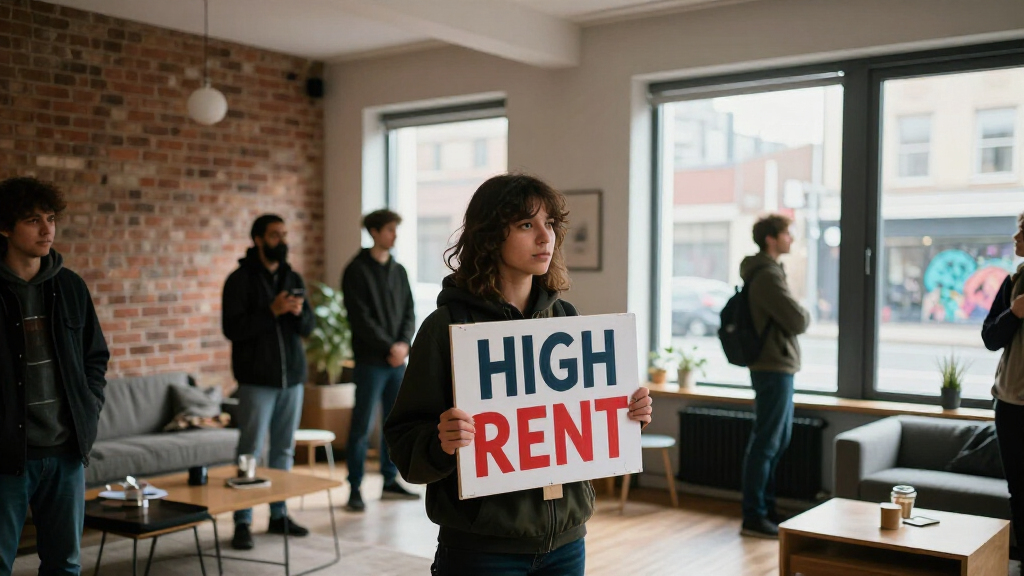
In Berlin, thousands gathered to protest against high rental prices and advocate for the expropriation of major property companies. The demonstration underscores ongoing tensions over housing affordability in the city.
Thousands of residents and activists gathered in Berlin today to protest against rising rental prices and to demand the expropriation of large property firms, marking a significant escalation in the city’s ongoing housing debate. The demonstration underscores widespread frustration over housing affordability and the influence of big landlords in Berlin’s rental market.
The protest took place in central Berlin, with organizers claiming that over 10,000 people participated. Participants called for urgent measures to address what they describe as a housing crisis driven by soaring rents and profit-driven property management. The demonstration was organized by housing advocacy groups and local tenants’ associations, who have been vocal about the need for radical reforms.
One of the central demands was for the government to expropriate large property companies, particularly those owning significant portions of the city’s rental housing stock. This call for expropriation aligns with a broader movement advocating for the socialization of housing, aiming to prioritize affordability over profit. The protest was peaceful, with demonstrators marching through key districts, carrying banners and chanting slogans such as “Housing is a right” and “Expropriate the big landlords.”
Authorities confirmed that police were present to ensure safety but reported no incidents or arrests during the demonstration. The event attracted considerable media attention, with coverage highlighting the growing unrest among Berlin residents over housing issues.
Impact of Protest on Berlin’s Housing Policy Debate
This protest signals a significant escalation in Berlin’s ongoing housing crisis, highlighting widespread public dissatisfaction with current rental policies and the influence of large property firms. The demonstration could influence future policy discussions, especially as political parties and local authorities face pressure to address affordability concerns. The call for expropriation, while still debated, reflects a shift toward more radical solutions among tenants and activists, potentially reshaping housing policy debates in Berlin and beyond. The event also underscores the rising political and social tensions around housing rights, which may impact upcoming elections and policy decisions.As an affiliate, we earn on qualifying purchases.
Berlin’s Long-Standing Housing Crisis and Rising Rents
Berlin has experienced a sharp increase in rental prices over the past decade, driven by urban growth, speculation, and a shortage of affordable housing. Major property firms have accumulated extensive holdings in the city, prompting calls for expropriation from tenant groups and political factions. The debate intensified after a 2021 referendum, in which a majority of Berlin residents voted in favor of expropriating large landlords, though the city’s government has yet to implement concrete measures. Recent years have seen protests, legal battles, and policy proposals aimed at curbing rent hikes and increasing social housing. The current demonstration is part of this ongoing movement, reflecting heightened public frustration and demands for radical change.As an affiliate, we earn on qualifying purchases.
Unclear Impact on Future Housing Policies in Berlin
It is not yet clear whether the protest will lead to immediate policy changes or influence upcoming legislative decisions. While the demonstration reflects strong public sentiment, official government actions remain uncertain, and debates over expropriation continue within political circles and legal frameworks.As an affiliate, we earn on qualifying purchases.
Next Steps in Berlin’s Housing Policy and Public Mobilization
Authorities and policymakers are expected to continue discussions on housing reforms, including potential legal measures related to expropriation. Activists and tenant groups are likely to organize further protests and campaigns to maintain pressure on decision-makers. The city’s government has indicated it will review the referendum results and consider proposals for affordable housing, but specific policy outcomes remain pending. The situation suggests ongoing tension between residents’ demands and political feasibility, with future developments dependent on legislative processes and public advocacy.
portable space heater for apartment
As an affiliate, we earn on qualifying purchases.
As an affiliate, we earn on qualifying purchases.
Key Questions
What is the main demand of the protesters in Berlin?
The protesters are primarily demanding the expropriation of large property companies to address the housing crisis and make rental prices more affordable.
Has the Berlin government responded to the protest?
The government has acknowledged the demonstration and indicated it is reviewing the results of the 2021 referendum on expropriation, but no concrete policy changes have been announced yet.
How many people participated in the protest?
Organizers estimate that over 10,000 people took part in the demonstration, which was described as peaceful by police authorities.
Could this protest influence future housing legislation?
Yes, the protest highlights public pressure that could influence policymakers, especially as debates on expropriation and affordable housing continue. However, concrete legislative action remains uncertain at this stage.
What are the next steps for housing policy in Berlin?
Next steps include ongoing discussions by authorities, potential legal procedures related to expropriation, and further public mobilization by activists. The city’s government has committed to reviewing the referendum results but has not yet announced specific measures.
Source: local
Halloween Picks
halloween
As an affiliate, we earn on qualifying purchases.