
Contemporary and modern design styles often blend but have clear differences. Modern design, rooted in the early to mid-20th-century Modernist movement, emphasizes simplicity, functionality, and minimal ornamentation with neutral color palettes. Contemporary style, however, is trend-driven and adaptable, featuring bold colors, eclectic textures, and innovative materials. While modern design offers timeless minimalism, contemporary spaces reflect current tastes and personal expression. Want to discover more about how these styles shape your space? Keep exploring to find out.
Key Takeaways
- Modern design is rooted in the early 20th-century Modernist movement, emphasizing minimalism, simplicity, and functionality.
- Contemporary design is trend-driven, constantly evolving to reflect current tastes and innovations.
- Modern style favors neutral monochromatic palettes, while contemporary uses bold, vibrant colors for visual interest.
- Modern furniture features sleek materials like metal and glass, whereas contemporary blends textures and sustainable materials for versatility.
- Modern design offers a timeless, minimalist aesthetic, while contemporary captures current trends and personal expression.
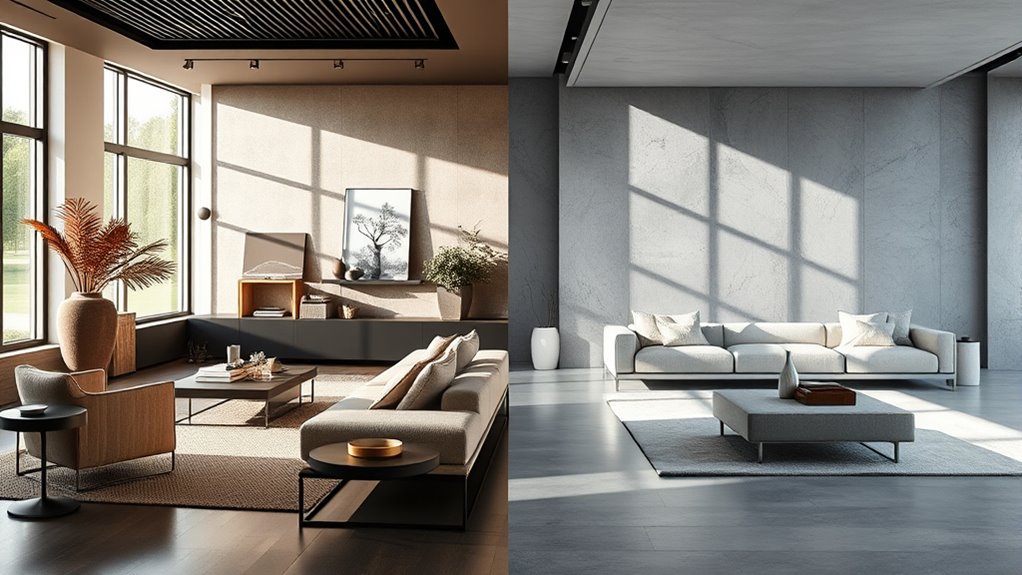
Have you ever wondered what sets contemporary design apart from modern design? It’s a common question, especially since these terms are often used interchangeably, yet they actually refer to distinct styles. When you look closely, you’ll notice that contemporary design reflects current trends, constantly evolving to stay fresh and relevant. It’s a style that adapts to the times, incorporating the latest innovations and preferences. Modern design, on the other hand, relates to a specific historical movement that emerged in the early to mid-20th century. It’s characterized by a focus on simplicity, functionality, and a lack of ornamentation, rooted in the ideas of the Modernist movement. Understanding these differences helps you make better choices when designing or decorating your space.
One of the key aspects that differentiate these styles is their approach to color palettes. Modern design tends to favor neutral, monochromatic schemes—think whites, blacks, and grays—that emphasize clean lines and minimalist aesthetics. These subdued colors help create a sense of openness and calm, reinforcing the idea of simplicity. Contemporary design, however, is more flexible with its color palettes. It often uses bold, vibrant hues or unexpected color combinations to add personality and visual interest. You might see rich jewel tones, soft pastels, or even contrasting shades used together to create dynamic spaces. This fluidity in color choices allows contemporary spaces to feel more lively and expressive, reflecting current tastes.
Furniture materials also play a significant role in distinguishing the two styles. Modern design traditionally utilizes materials like sleek metals, glass, and molded wood, emphasizing industrial and minimalist qualities. The furniture is often geometric, with a focus on function and form rather than decoration. Contemporary design, meanwhile, embraces a broader range of materials, combining textures and finishes to create a more eclectic look. You might find furniture made from sustainable or innovative materials such as reclaimed wood, concrete, or even mixed-media pieces. The emphasis is on comfort, practicality, and aesthetic versatility, making contemporary interiors feel more inviting and personalized.
In essence, modern design is about a specific historical aesthetic rooted in simplicity and functionality, while contemporary design captures current trends, blending various influences and materials to keep spaces fresh and relevant. By paying attention to details like color palettes and furniture materials, you can clearly see how each style expresses its own identity. Whether you prefer the timeless appeal of modern design or the adaptable, trend-driven vibe of contemporary spaces, understanding these differences helps you create environments that truly reflect your style and needs.

IFGET 48" Modern Coffee Table, 2-Tier Minimalist Center Table with Storage Shelf, Curved Profile Design, Wooden Rectangular Living Room Table w/Wood Thick Design for Living Room, Office, Natural Oak
2-Tier Coffee Table: This two-tier coffee table features overall dimensions of 23" L x 48" W x 19"…
As an affiliate, we earn on qualifying purchases.
As an affiliate, we earn on qualifying purchases.
Frequently Asked Questions
How Do Contemporary and Modern Designs Influence Sustainable Architecture?
Contemporary and modern designs considerably influence sustainable architecture by emphasizing the use of sustainable materials and energy-efficient design. You can incorporate eco-friendly materials like recycled steel and bamboo, reducing environmental impact. These styles also prioritize natural lighting and ventilation, which lowers energy consumption. By blending aesthetic appeal with sustainability, you create buildings that are both stylish and environmentally responsible, encouraging a greener future in architectural practices.
Can Traditional Elements Be Incorporated Into Modern or Contemporary Styles?
Yes, you can definitely incorporate traditional elements into modern or contemporary styles. By blending styles, you add depth and character to your space. Use traditional motifs like intricate patterns or classic materials and integrate them with sleek, minimalist designs. This approach creates a harmonious balance between old and new, making your space unique and personalized. It’s all about thoughtfully combining elements to reflect your style while respecting traditional aesthetics.
What Are Common Misconceptions About Contemporary and Modern Design?
Imagine a sleek, open space with clean lines—many think contemporary design is all minimalism, but it often includes warm textures and bold accents. Some believe vintage furniture clashes with modern aesthetics, yet it can add character and authenticity. The misconceptions about minimalism suggest it’s cold and empty, but true contemporary design balances simplicity with comfort. You can mix elements confidently, knowing style isn’t about rules but expression.
How Do Color Palettes Differ Between Contemporary and Modern Interiors?
You notice that contemporary interiors often feature neutral color schemes with bold accent choices, creating a balanced and dynamic look. In contrast, modern spaces tend to use a more limited, monochromatic palette with subtle variations, emphasizing simplicity. Your color palette in contemporary design allows for more experimentation with accent choices, while modern design favors clean, understated tones. This difference helps define each style’s unique aesthetic and mood.
Which Style Is More Adaptable for Small Spaces?
Contemporary design is more adaptable for small spaces because it emphasizes space optimization and furniture flexibility. You can easily incorporate multi-functional pieces and sleek lines that maximize your room’s potential. Modern style tends to be more structured and less flexible, making it less ideal for tight areas. So, if you want a versatile look that makes the most of your space, contemporary is the way to go.

Roundhill Furniture Botticelli Fabric Armless Contemporary Accent Chair, Script Print
Upholstery Material: Polyester cotton fabric with script pattern. Ready to assemble
As an affiliate, we earn on qualifying purchases.
As an affiliate, we earn on qualifying purchases.
Conclusion
Think of contemporary and modern design as two trees in the same forest—one rooted in tradition yet reaching toward current trends, the other a sleek, minimalist sapling shaping the landscape. By understanding their unique branches, you can nurture your space like a gardener tending to different species. Embrace the dance between the familiar and the new, allowing each style to enrich your environment. Ultimately, your home becomes a vibrant forest where both trees stand harmoniously, reflecting your personal taste.
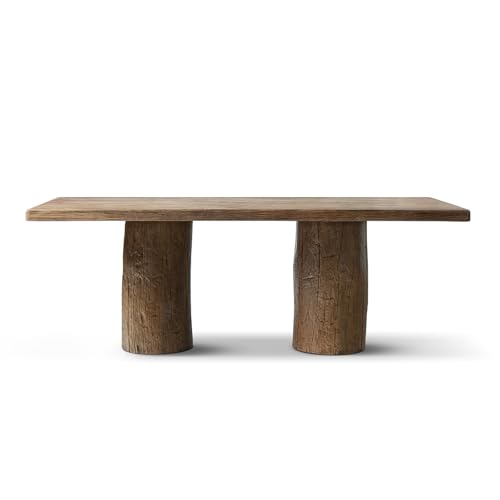
Jennifer Taylor Home Arbor 84" Solid Reclaimed Elm Double Pedestal 8-Person Dining Table, Heritage Medium-Dark Brown Reclaimed Elm
Crafted from solid reclaimed elm wood for sustainable, eco-conscious construction
As an affiliate, we earn on qualifying purchases.
As an affiliate, we earn on qualifying purchases.
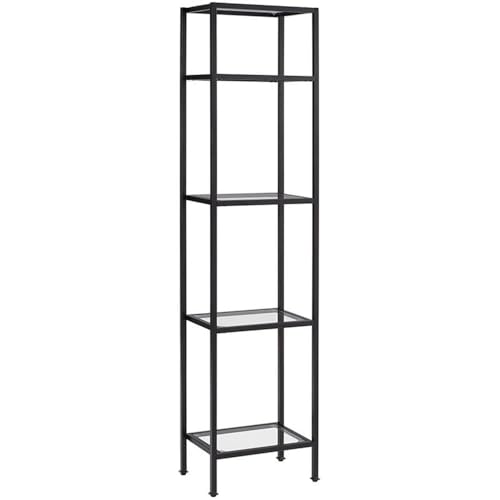
BOWERY HILL 4-Shelf Modern Metal Etagere Bookcase, Oil Rubbed Bronze Finish, Steel Frame with Tempered Glass Shelves, 73" H x 18" W x 12" D, Art Deco Style, Upscale Display and Storage for Any Room
Material: Steel metal 80%, tempered glass 20%
As an affiliate, we earn on qualifying purchases.
As an affiliate, we earn on qualifying purchases.